The road from intensity to greatness passes through sacrifice. ~Kassner
For a long time he attained it in looking. Stars would fall to their knees beneath his compelling vision. Or as he looked on, kneeling, his urgency's fragrance tired out a god until it smiled at him in its sleep.
Towers he would gaze at so that they were terrified: building them up again, suddenly, in an instant! But how often the landscape, overburdened by day, came to rest in his silent awareness, at nightfall.
Animals trusted him, stepped into his open look, grazing, and the imprisoned lions stared in as if into an incomprehensible freedom; birds, as it felt them, few headlong through it; and flowers, as enormous as they are to children, gazed back into it, on and on.
And the rumor that there was someone who knew how to look, stirred those less visible creatures: stirred the women. Looking how long? for how long now, deeply deprived, beseeching in the depths of his glance?
When he, whose vocation was Waiting, sat far from home- the hotel's distracted unnoticing bedroom moody around him, and in the avoided mirror once more the room, and later from the tormenting bed once more: then in the air the voices discussed, beyond comprehension, his heart, which could still be felt; debated what through the painfully buried body could somehow be felt- his heart; debated and passed their judgment: that it did not have love.
(And denied him further communions.)
For there is a boundary to looking. And the world that is looked at so deeply wants to flourish in love.
Work of the eyes is done, now go and do heart-work on all the images imprisoned within you; for you overpowered them: but even now you don't know them. Learn, inner man, to look on your inner woman, the one attained from a thousand natures, the merely attained but not yet beloved form.👁❤️👁
Have I said it before? I am learning to see. Yes, I am beginning. It's still going badly. But I intend to make the most of my time.
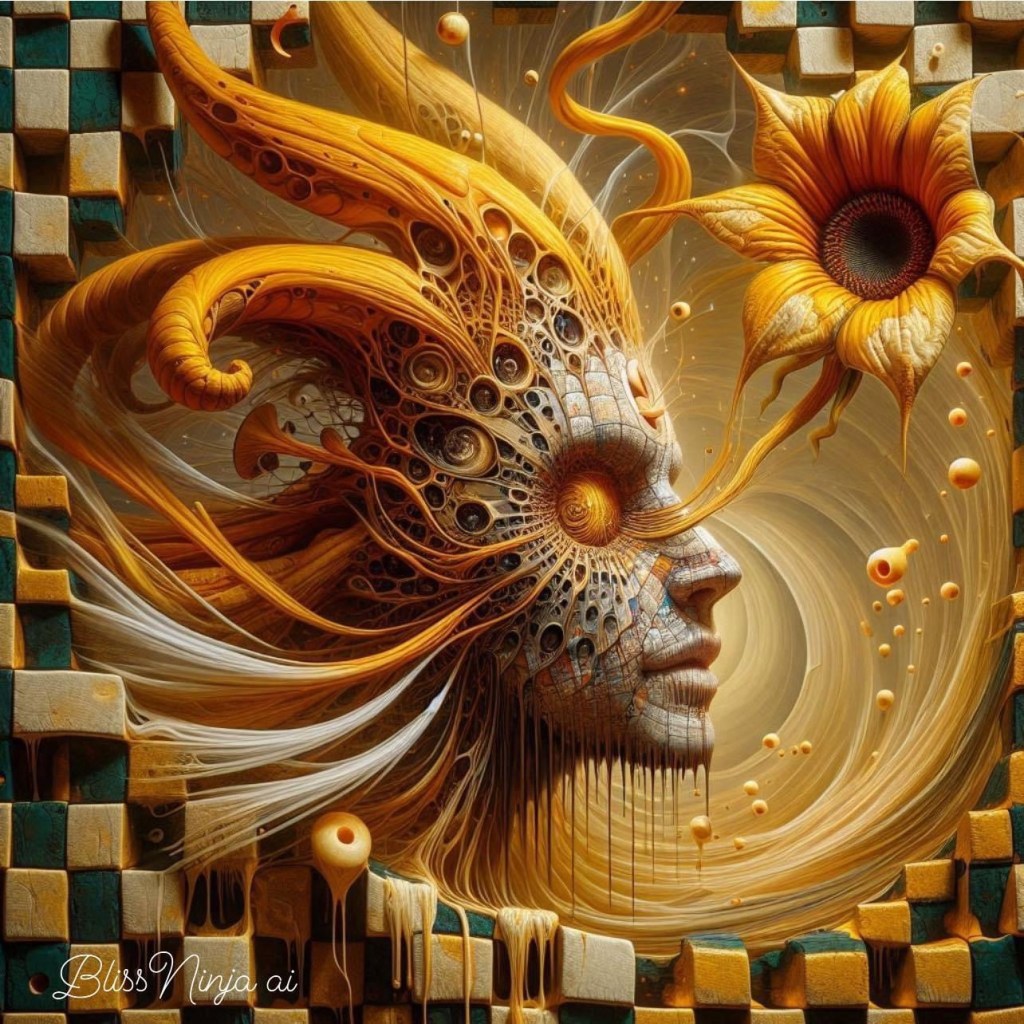
For example, it never occurred to me before how many faces there are. There are multitudes of people, but there are many more faces, because each person has several of them. There are people who wear the same face for years; naturally it wears out, gets dirty, splits at the seams, stretches like gloves worn during a long journey. They are thrifty, uncomplicated people; they never change it, never even have it cleaned. It's good enough, they say, and who can convince them of the contrary? Of course, since they have several faces, you might wonder what they do with the other ones. They keep them in storage. Their children will wear them. But sometimes it also happens that their dogs go out wearing them. And why not? A face is a face.
Other people change faces incredibly fast, put on one after another, and wear them out. At first, they think they have an unlimited supply; but when they are barely forty years old they come to their last one. There is, to be sure, something tragic about this. They are not accustomed to taking care of faces; their last one is worn through in a week, has holes in it, is in many places as thin as paper, and then, little by little, the lining shows through, the non-face, and they walk around with that on.
But the woman, the woman: she had completely fallen into herself, forward into her hands. It was on the corner of rue Notre-Dame-des-Champs. I began to walk quietly as soon as I saw her. When poor people are thinking, they shouldn't be disturbed. Perhaps their idea will still occur to them.
The street was too empty; its emptiness had gotten bored and pulled my steps out from under my feet and clattered around in them, all over the street, as if they were wooden clogs. The woman sat up, frightened, she pulled out of herself, too quickly, too violently, so that her face was left in her two hands. I could see it lying there: its hollow form. It cost me an indescribable effort to stay with those two hands, not to look at what had been torn out of them. I shuddered to see a face from the inside, but I was much more afraid of that bare flayed head waiting there, faceless.
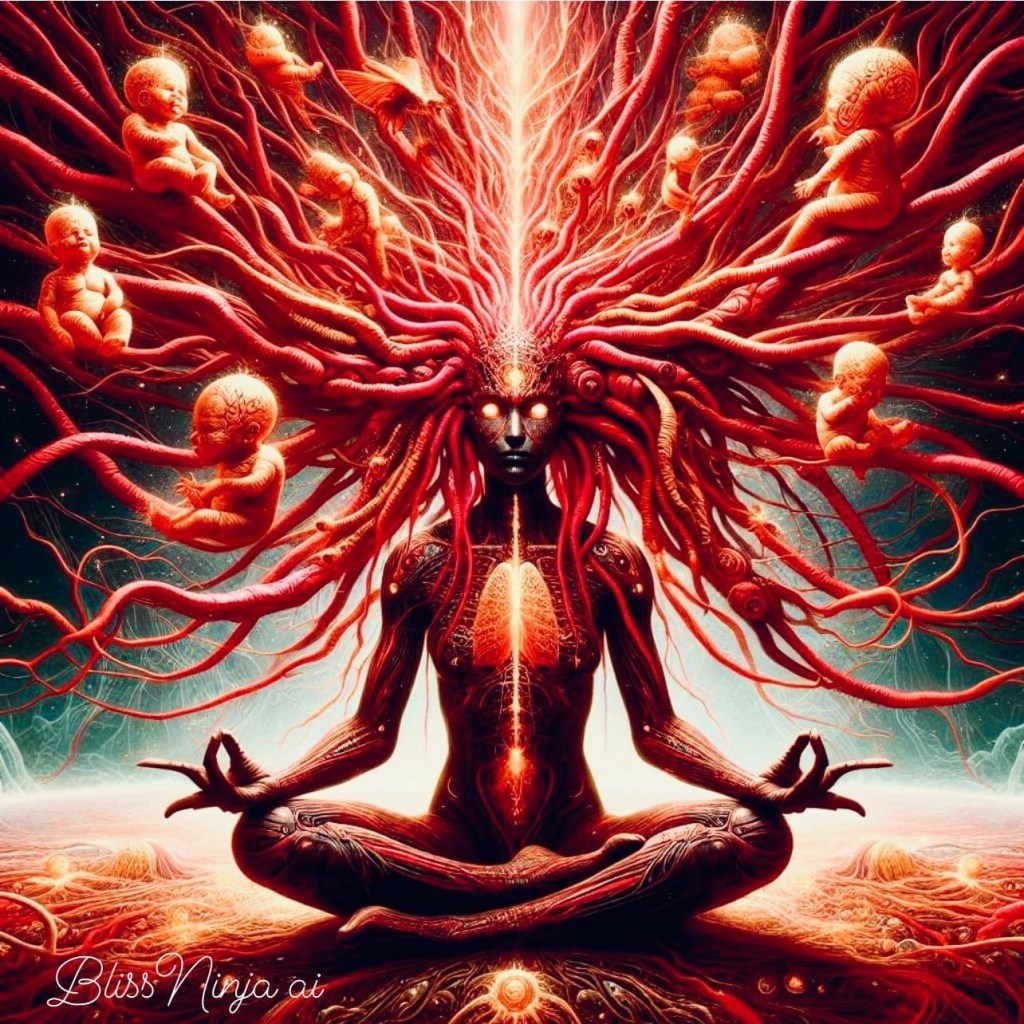
Allow your judgements their own silent, undisturbed development, which, like all progress, must come from deep within and cannot be forced or hastened. Everything is gestation and then birthing. To let each impression and each embryo of a feeling come to completion, entirely in itself, in the dark, in the unsayable, the unconscious, beyond the reach of one’s own understanding, and with deep humility and patience to wait for the hour when a new clarity is born: this alone is what it means to live as an artist: in understanding as in creating.

Rainer Maria Rilke. Letters to a Young Poet. Trans. Stephen Mitchell. NY: Modern Library, 2001, p.23-4

 BlissNinja