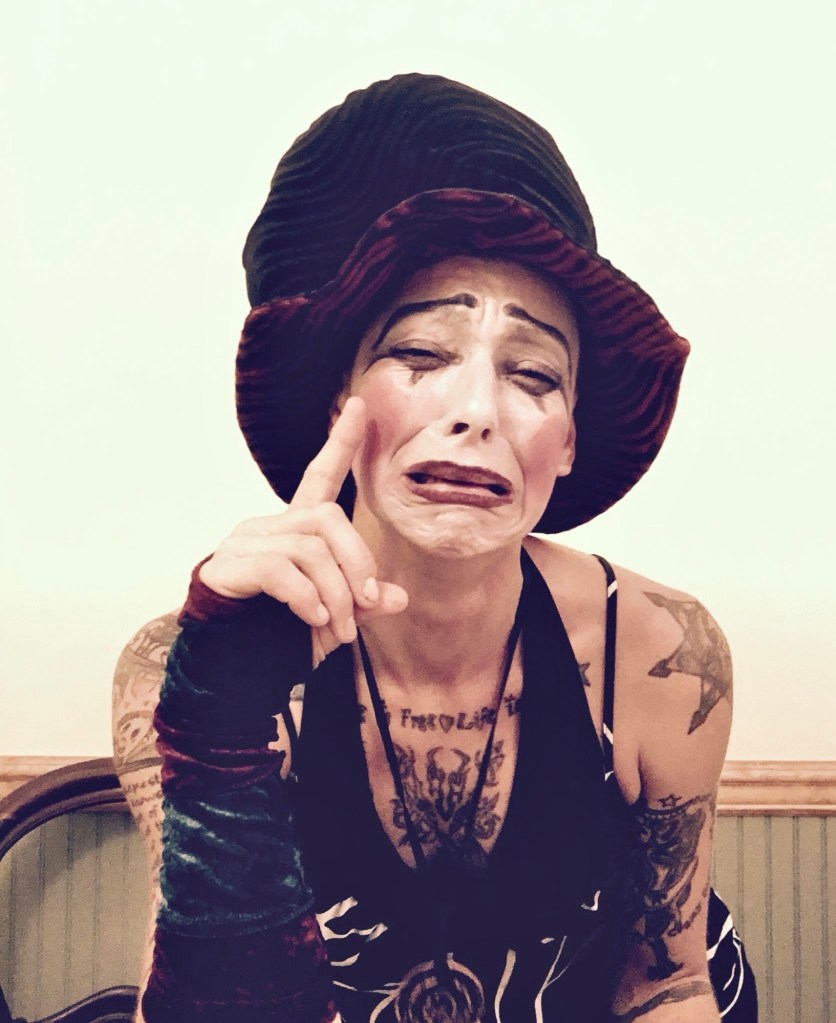
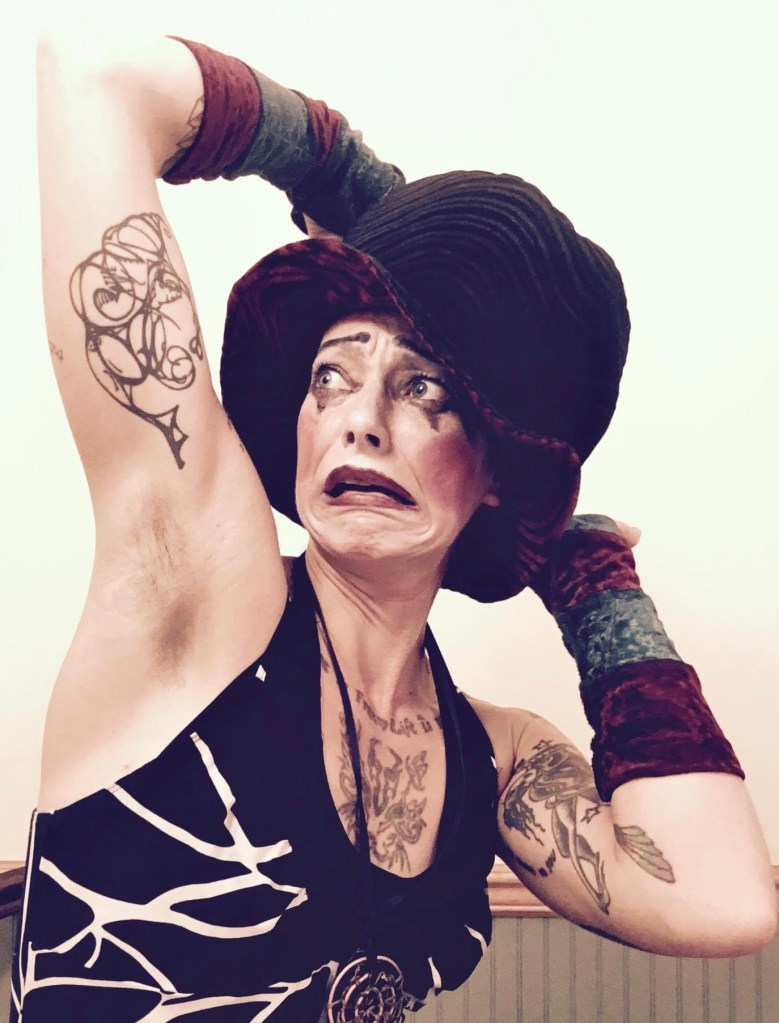
Besides the muscles needed functionally to chew, kiss, sniff, blow, squint, blink, and twitch away A fly, most of the forty-five facial muscles serve only emotional expression. You don't need them to bring in food, to beat down an enemy, nurse an offspring, or perform sexual intercourse. The ventriloquist proves they are not needed for speaking. Nor are they essential to breathing, hearing, or sleeping. The extravagance of facial musculature is all for expression of major emotions, yes; but even more for such peculiar subtleties of civilization as supercilious contempt, wry irony, wide-eyed fawning, cool unconcern, smiling, and sneering. By means of these muscles, our faces make pictures. The psyche displays aesthetically its states of soul. Character traits become intelligible images; yet each expression is characteristically different, and the more complex the character, the more individual the expression. "There is nothing average about ex- pression. It is essentially individual. In so far as an average dominates, expression fades."
::::::
~Faces need to be used~
A face is something that is incomplete; a work in progress….faces need to be used because they are not finished images, says the Chicago art historian James Elkins. Aging as a progress of the face. If you consider your face as one more part of the body, then it withers, crinkles, blotches, and falls away like other parts of the body. If youimagine your face as a phenomenon with a different significance, with its own destiny, then all that goes on there, after sixty especially, is a work in progress, building the image, preparing a face that has little to do with the faces that you meet. What's going on, rather, is the progress of a portrait, toward a memory.
"Faces need to be used." How? Out there, weathering and leathering, actively engaged with world? Should we engage in full-face confrontations, get in each other's faces? Another way to use the face is aging. Aging uses the face every day, and it is these traces of use that cosmetic surgery sets out to repair. Without any effort on our part, quite passively, even in the solitude of a monk's cell, even in an immune-protective bubble, the face is being used. "The aging process,” says Levinas, “probably the most perfect model of passive synthesis. " A face is being made, often against your will, as witness to your character.
~James Hillman, The force of character and the lasting life



 BlissNinja