In the darkness of this [analytical] initiation, the two people instinctively move nearer to each other. A bond forms, as if an eros between the dying, something that is other than the transference of past emotions, other than love between pupil and guide, between patient and doctor, a quite rare and inexplicable feeling brought by the mystery of the image.
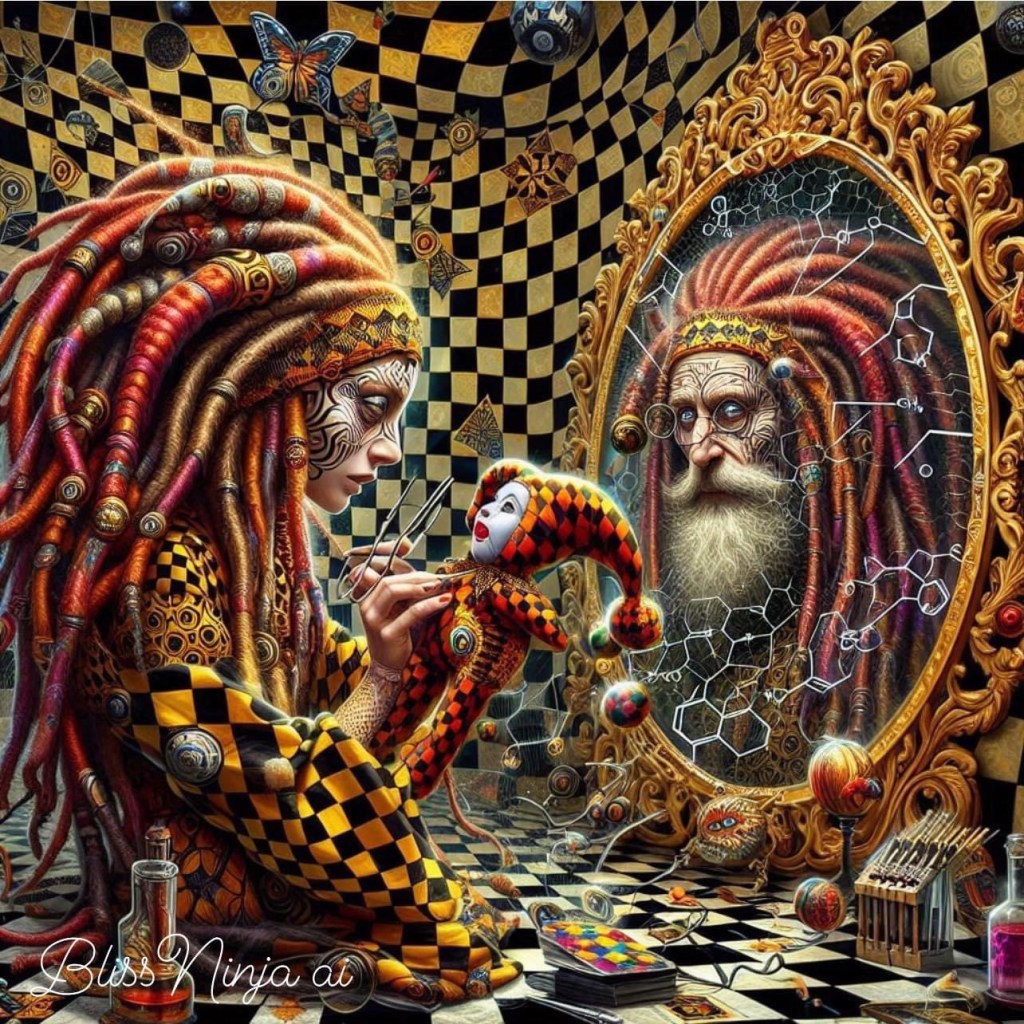
I do not know what this kind of loving is, but it is not reducible to other more familiar forms. Perhaps it is an experience of the eros in Thanatos. Perhaps it is an experience of telestic eros, of which Plato speaks in the Phaedrus, the eros of the mysteries and initiations of the soul; or, it may have something to do with the creative eros that always occurs when one is close to soul, the myth of (Eros) and Psyche moving through our emotions. Whatever the nature, there is a loving in dream work. We sense that dreams mean well for us, back us up and urge us on, understand us more deeply than we understand ourselves, expand our sensuousness and spirit, continually make up new things to give us- and this feeling of being loved by the images permeates the analytical relationship. Let us call it imaginal love, a love based wholly on relationship with images and through images, a love showing in the imaginative response of the partners to the imagination in the dreams. Is this Platonic love? It is like the love of an old man, the usual personal content of love voided by coming death, yet still intense, playful, and tenderly, carefully close.
 BlissNinja