“⭐️This book changed the way I look at dreams, or maybe the book taught me what my heart always wanted me to understand. Hillman looks at the dream as happening in the “Underworld” – a place of death – and wants us to enter into that world to understand the dream instead of trying to drag the dream up into the day-world by interpreting it.
Some quotes from the book:
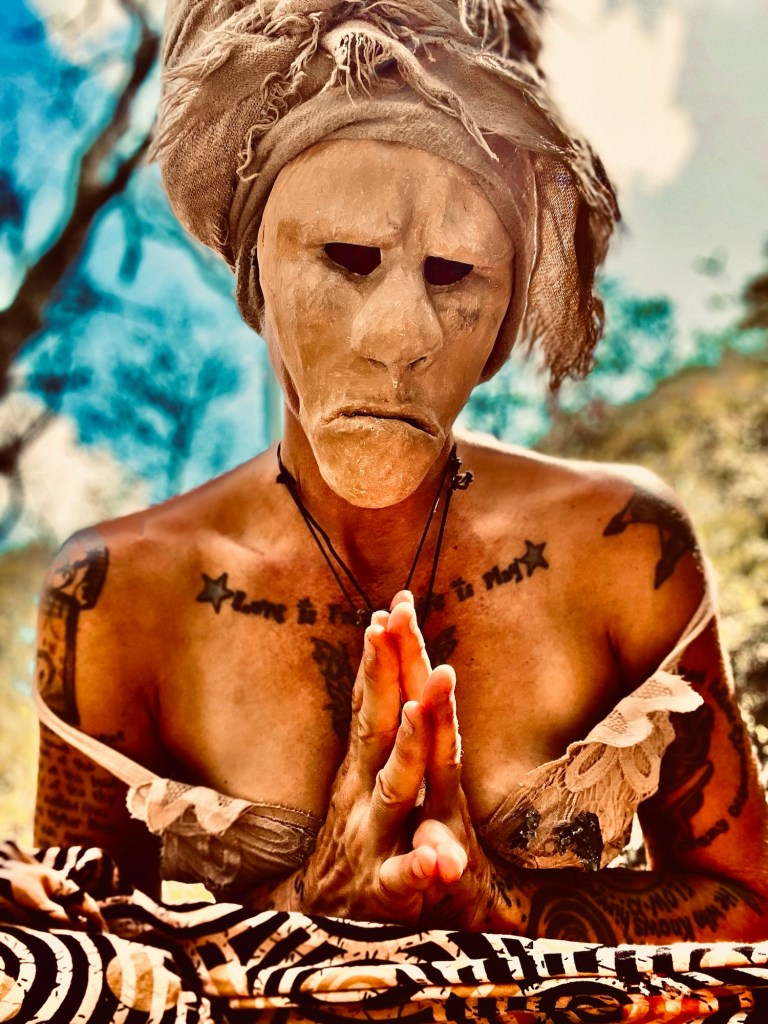
“Freud’s method projects the persons in a dream back over the bridge into the dream-day, even if for the sake of their latent meaning. We associate my dream-brother and dream-father to my day-brother and day-father and, by this association, return the dream to the day. Jung’s method of interpretation on the subjective level takes the dream persons into the subject of the dreamer. They become expressions of my psychic traits. They are introjected into my personality. In neither method do we ever truly leave the personal aspect of the dream persons, and thus they remain in the upperworld. Dare I say it loud and clear? The persons I engage with in dreams are neither representations of their living selves nor parts of myself. They are shadow images that fill archetypal roles; they are personae, masks, in the hollow of which is numen.”
“Public performance on a stage, perhaps because it puts us into the underworld of theatre, also constellates the curious interplay between life-soul and image-soul. The almost depersonalization experience of stage fright makes one feel deserted by one’s soul. All that one memorized and trained for has suddenly vanished. It is as if another soul must play the role, and this moment of going on stage is like a rite de passage, a transition into death.”
“For a dream image to work in life it must, like a mystery, be experienced as fully real. Interpretation arises when we have lost touch with the images, when their reality is derivative, so that this reality must be recovered through conceptual translation. Then we try to replace its intelligence with ours instead of speaking to its intelligence with ours.”
Hillman notes that when we see a killer in a dream, we tend to fear him. But Hillman looks at this figure as a helper who is trying to initiate us into the Underworld land-of-the-dead; the dream world:
“There is a divine death figure in the killer, either Hades, or Thanatos, or Kronos-Saturn, or Dis Pater, or Hermes, a death demon who would separate consciousness from it life attachments.
Hillman, in one section of the book describes the circus as a metaphor of the Underworld:
“Where else but the circus will we ever see the underworld in daylight: the tent of enclosed space, the rings, everyone as close to death as his or her art will allow, the freaks of nature that are beyond nature, and above all, the precise performances of repetitive nonsense, as if Ixion, Tantalus, and Sisyphus had once worked for Ringling Brothers.”
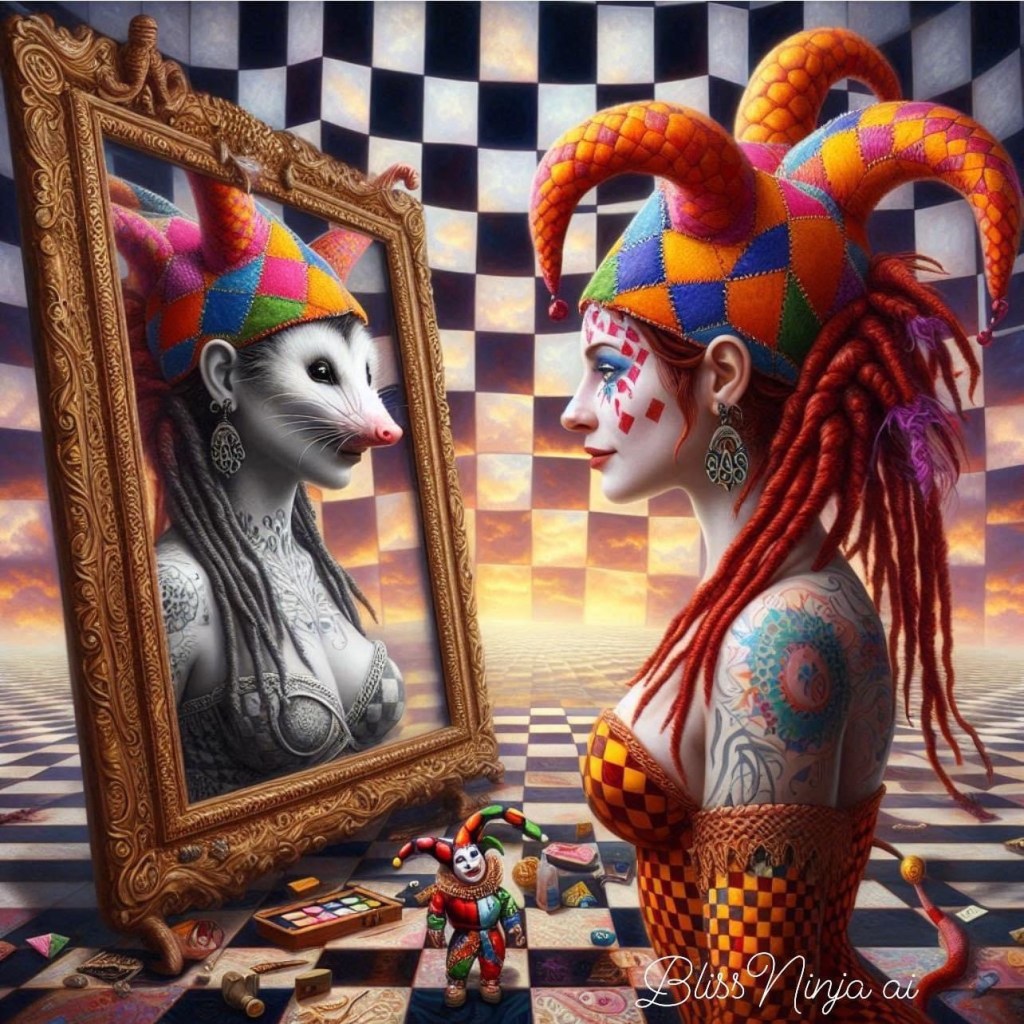
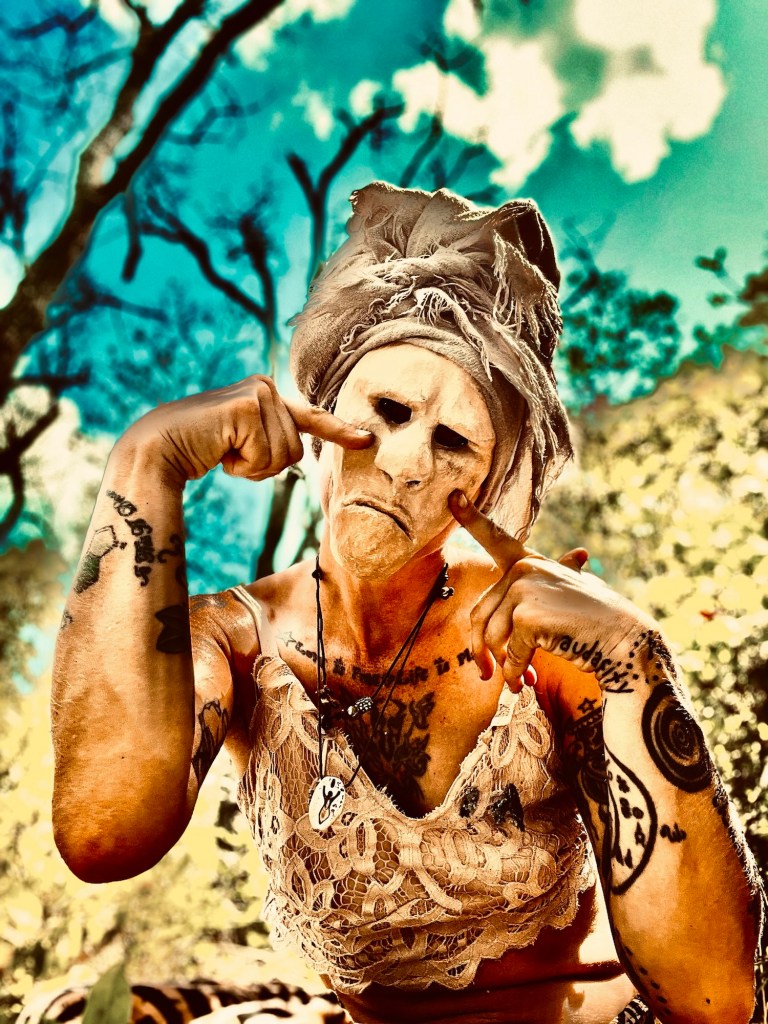
“The comic spirit masquerades in all things we do and say; we are each a joke and do not need to put on a white face. The matter is not one of becoming a clown but of learning what he teaches: making an art of our senseless repetitions, our collapsing and our pathologizings, putting on the face of death that allows the dream world in and watching it turn ordinary objects into amazing images, our public persons into butts of laughter.”
“Unfortunately psychology emphasizes attention and recall; the dayworld wishes to have, must absolutely have, a ‘good memory’; a bad memory is more devastating to success than is a bad conscience. Forgetting therefore becomes a pathological sign. But depth psychology based on an archetypal perspective might understand forgetting as serving a deeper purpose, seeing in these holes and slips in the dayworld the means by which events are transformed out of personal life, voiding it, emptying it. Somehow we must come to better terms with Lethe, since she rules many years, especially the last years, and we would be foolish to dismiss her work only as pathological. The romantics took Lethe most seriously.”⭐️
James Kulm, in reference to the book ‘The Dream and the Underworld’ by James Hillman
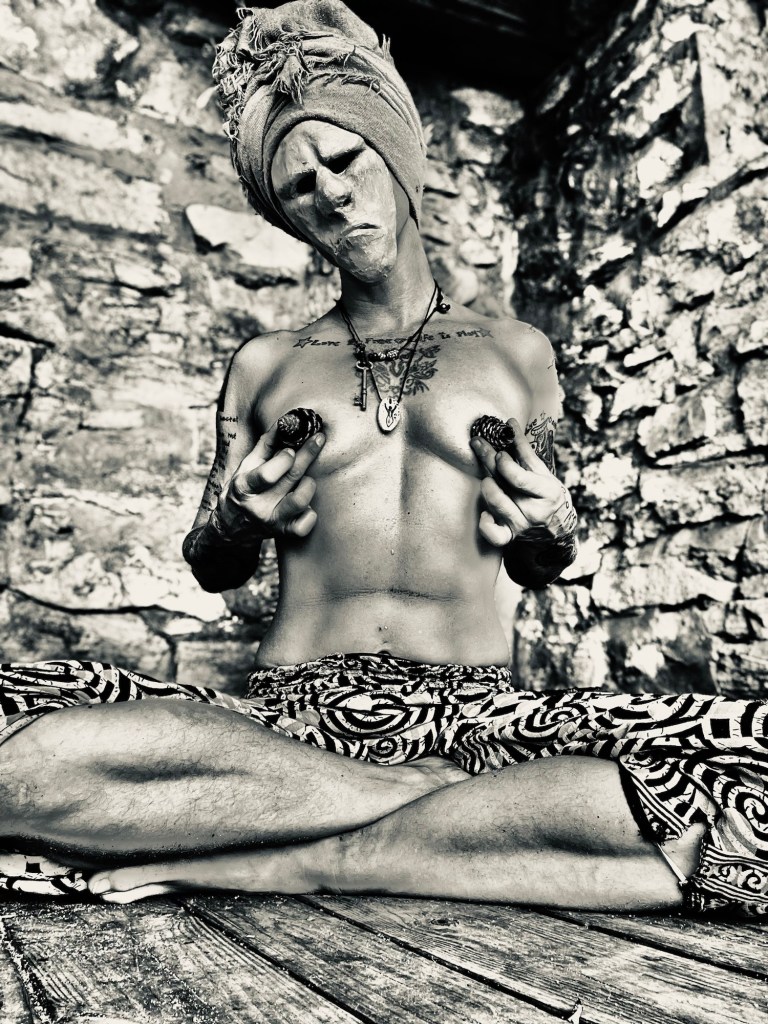
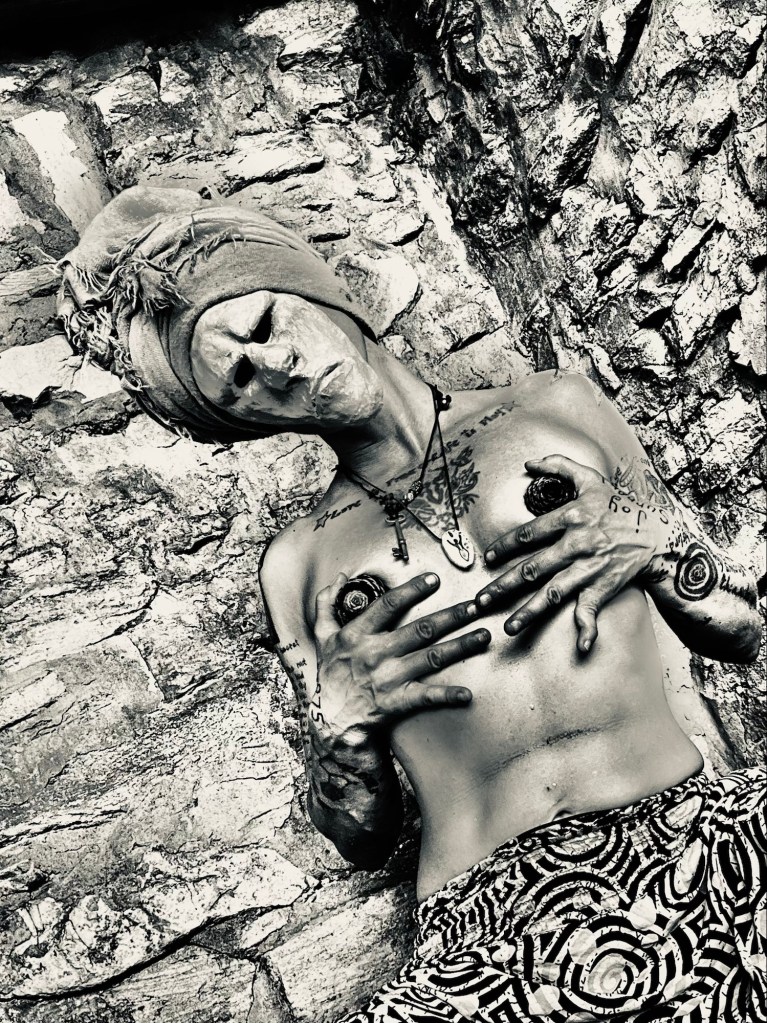
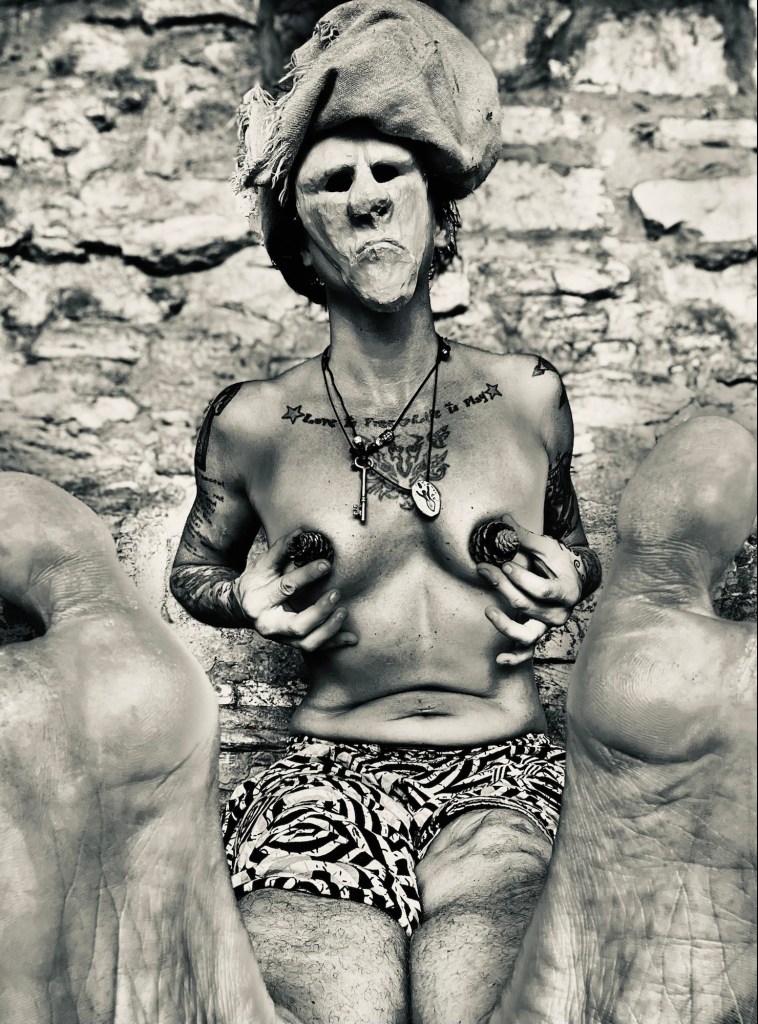
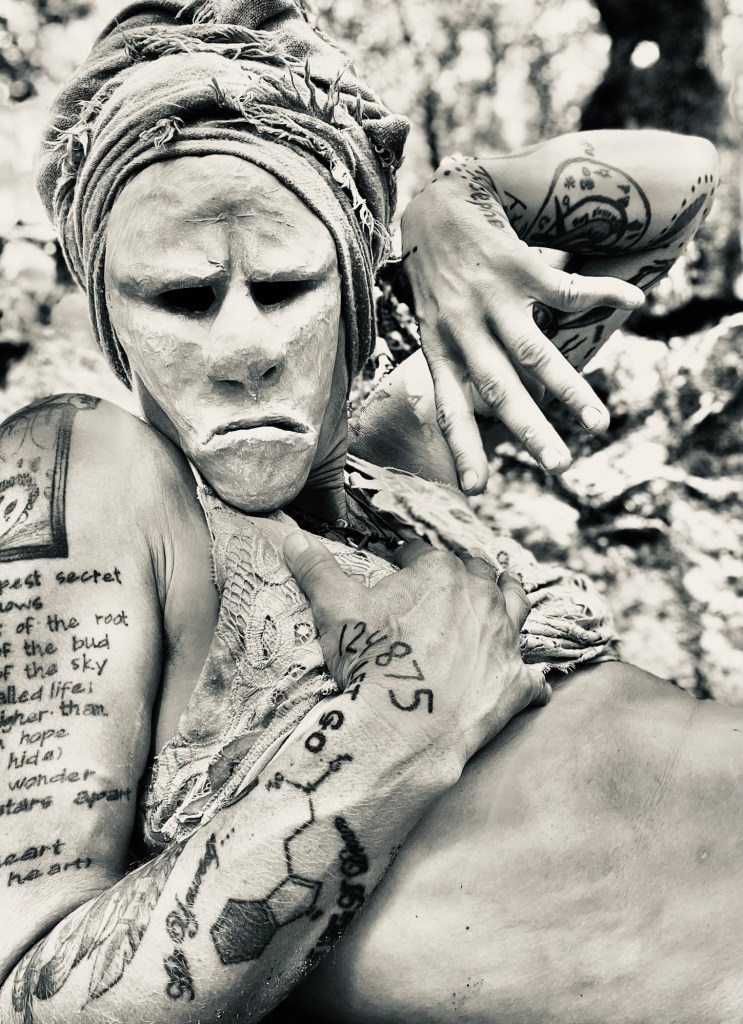
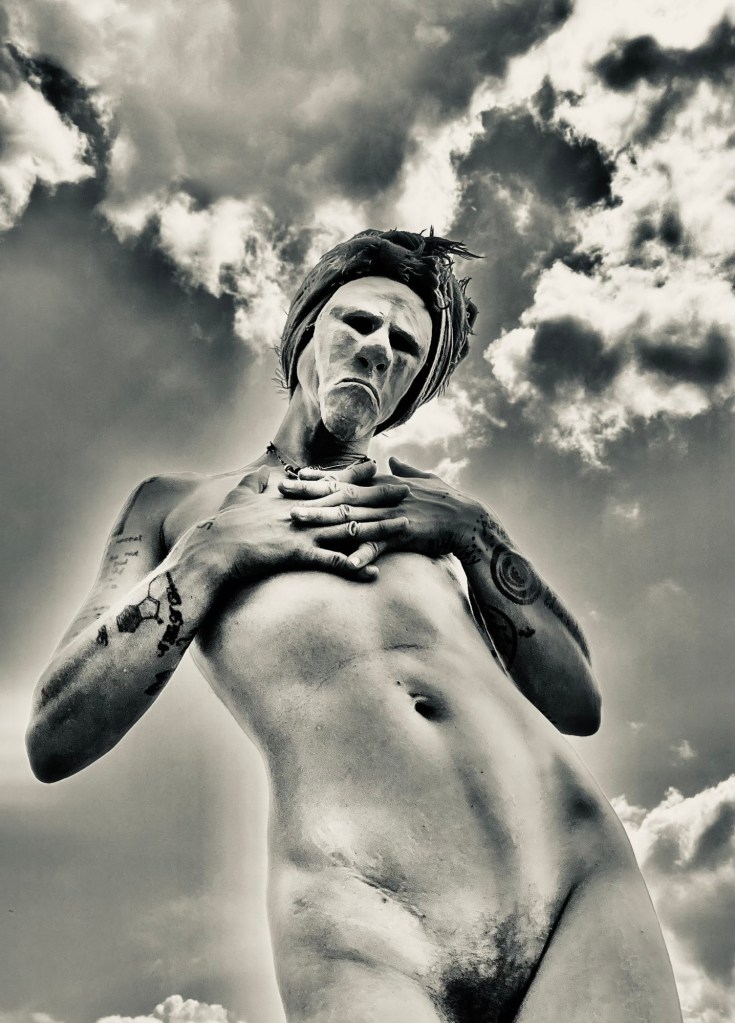
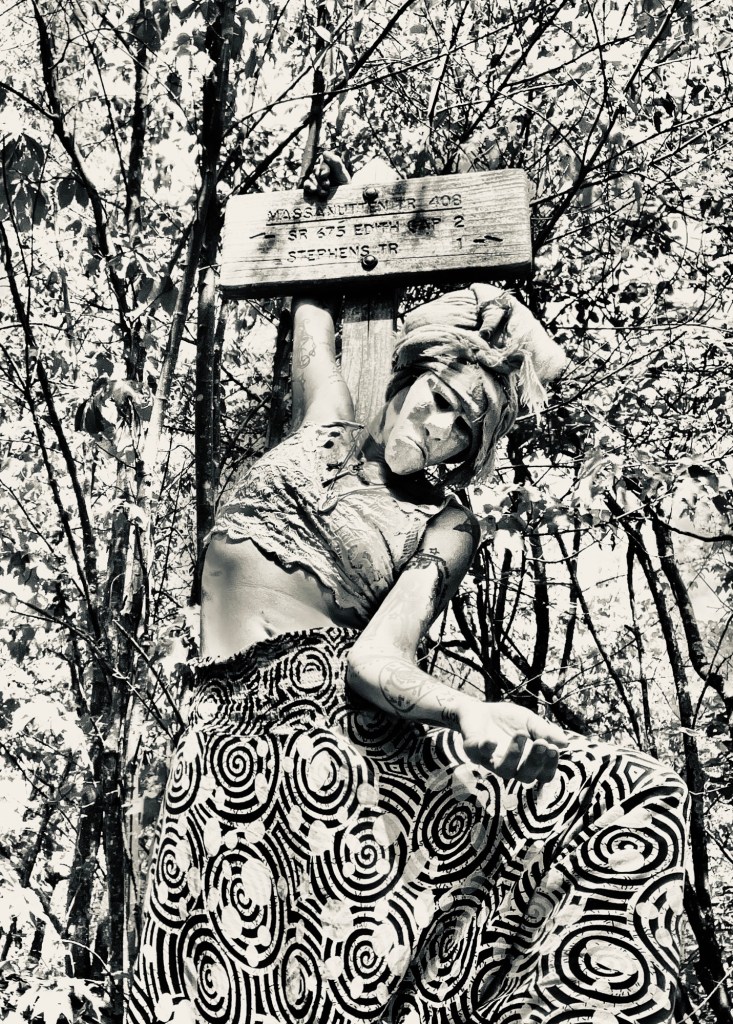
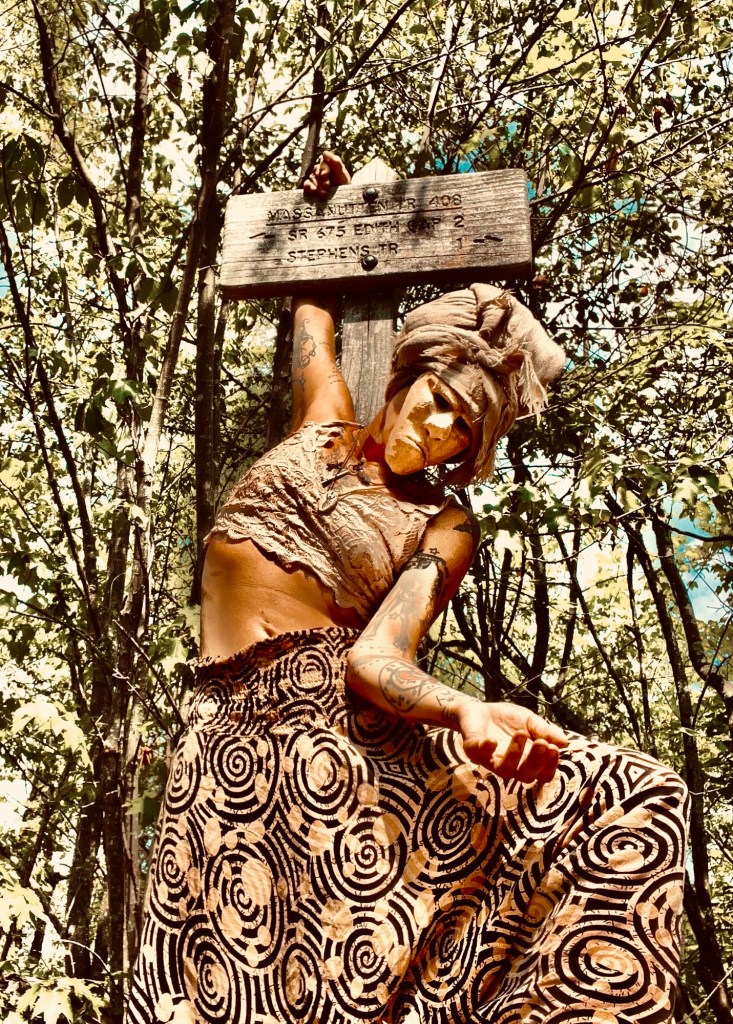
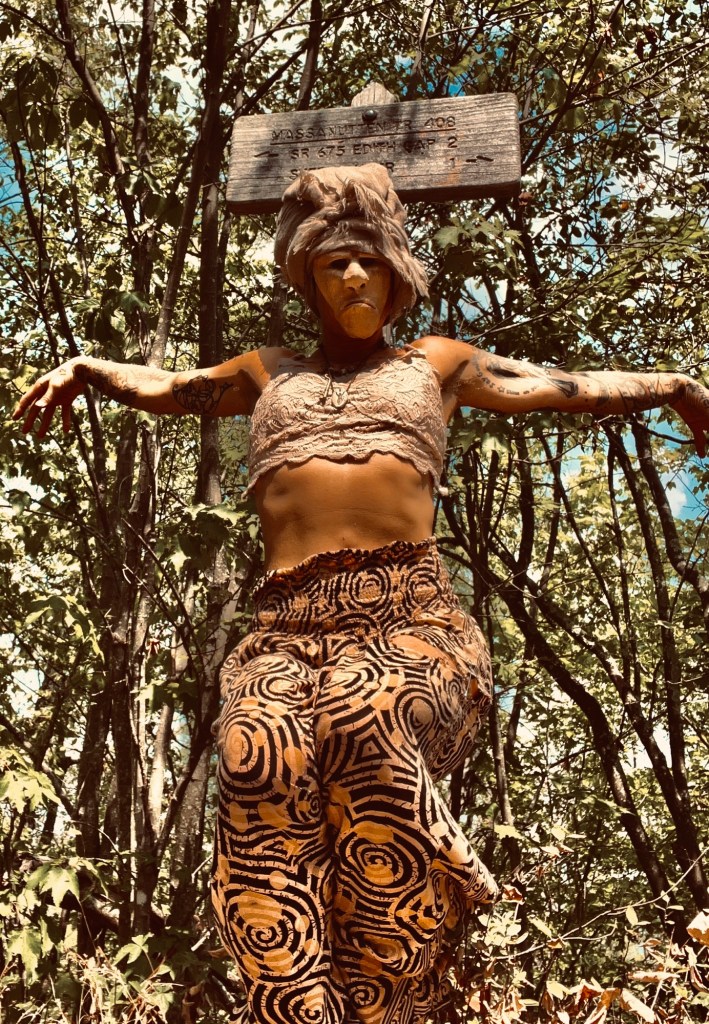
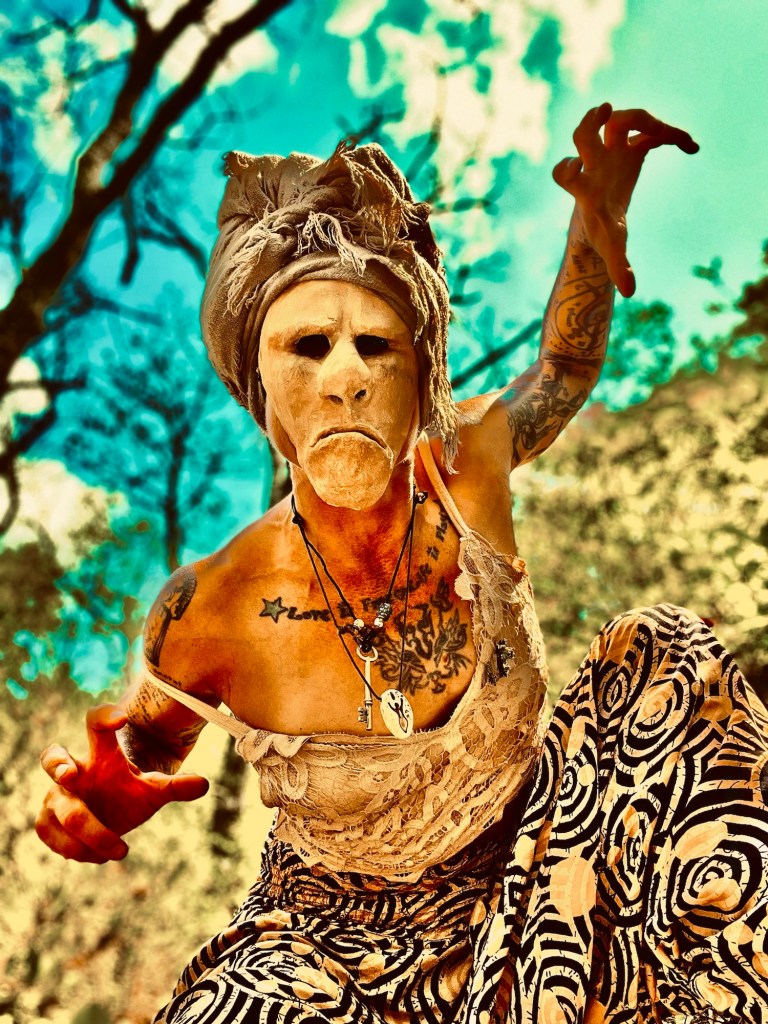
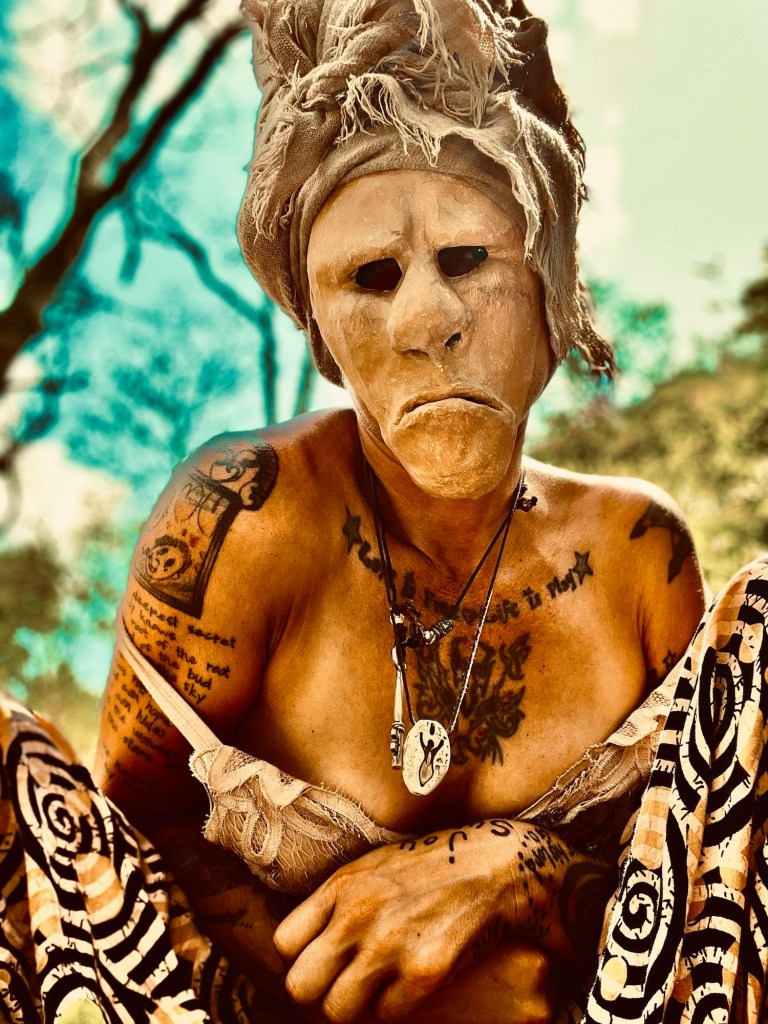
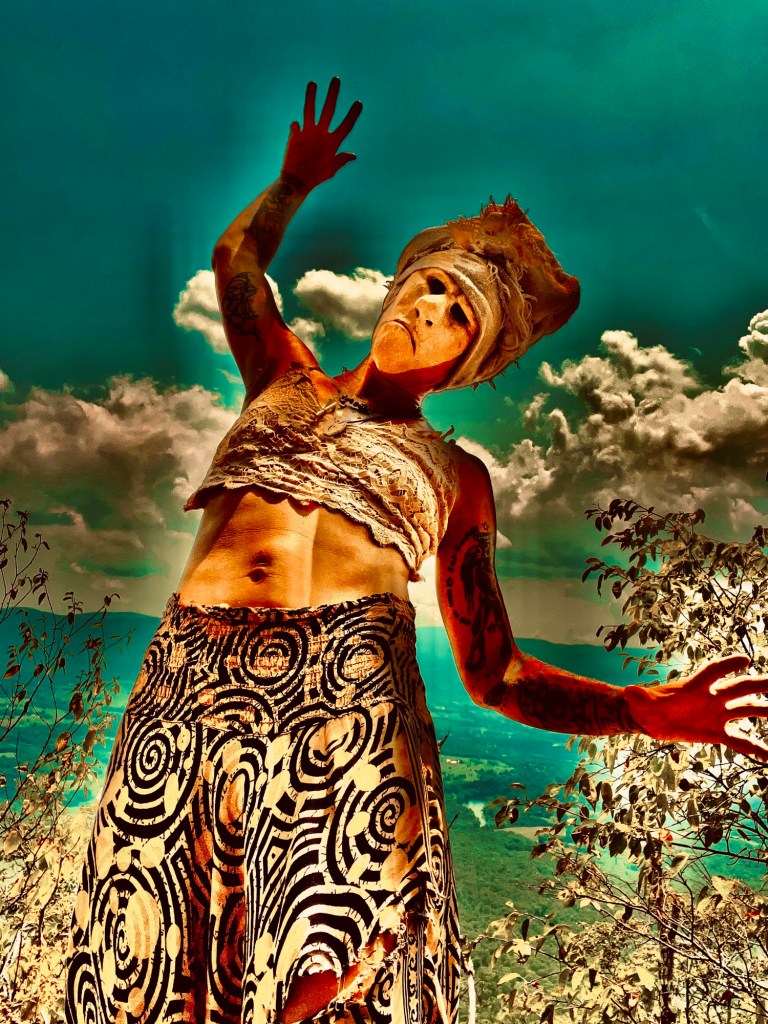
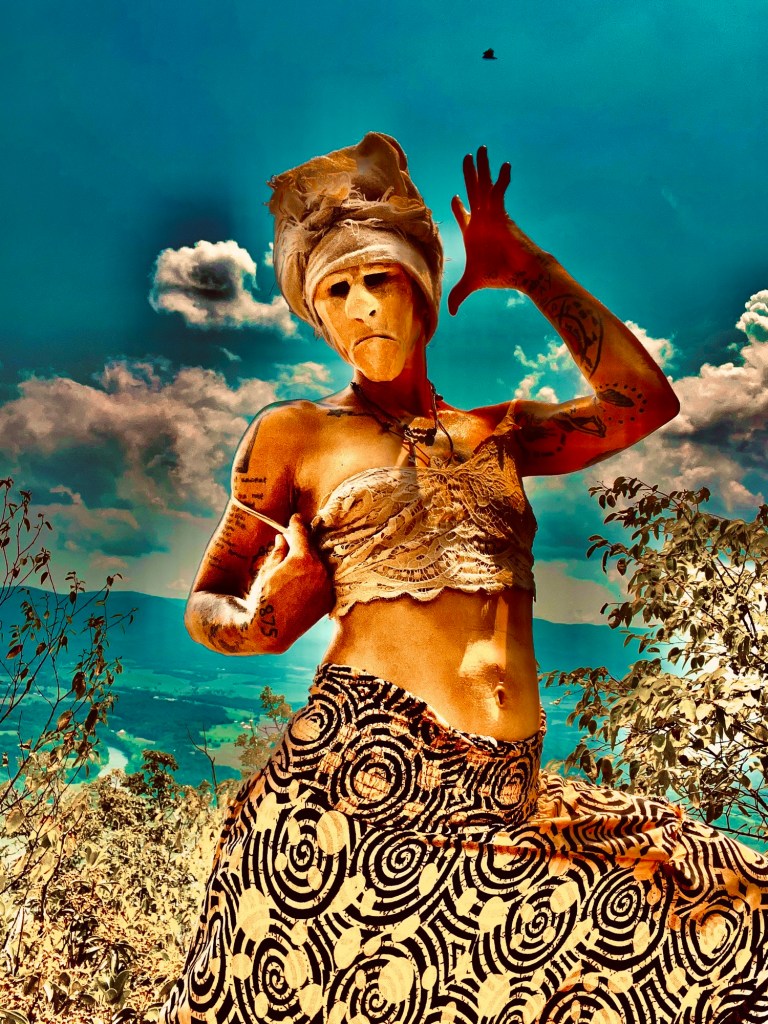
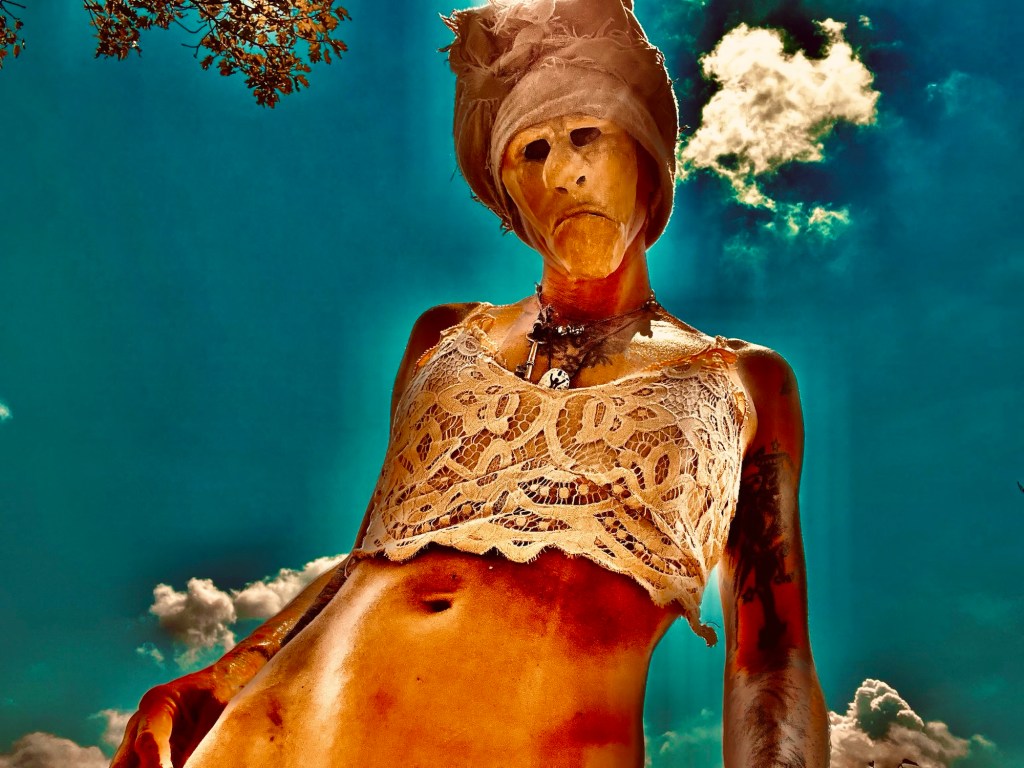
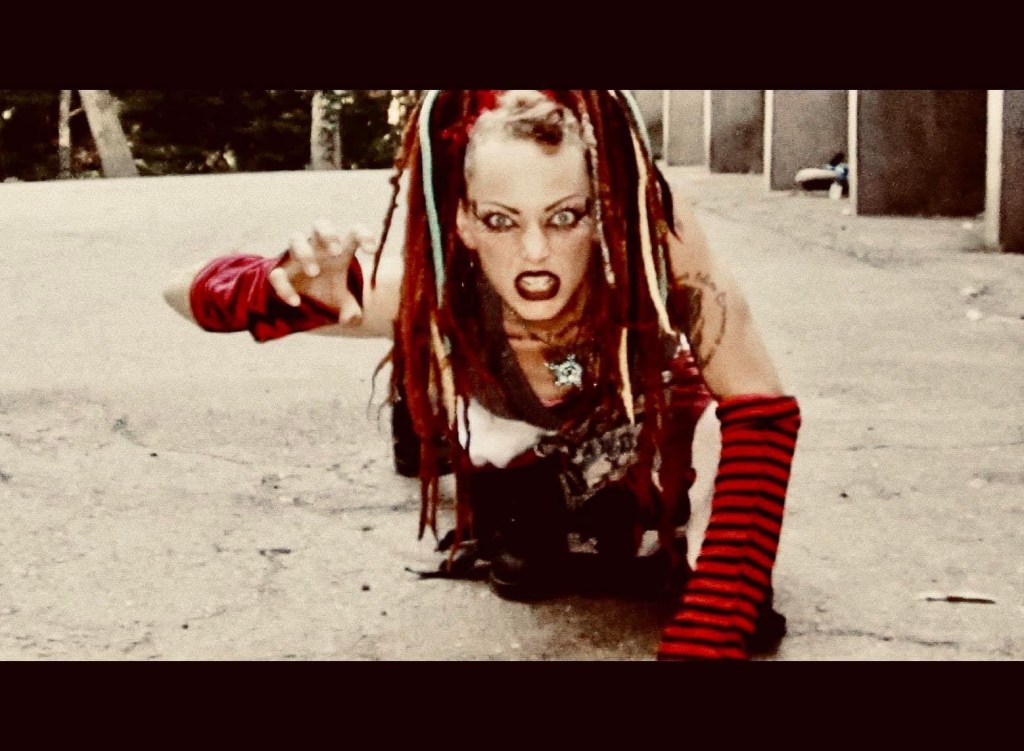
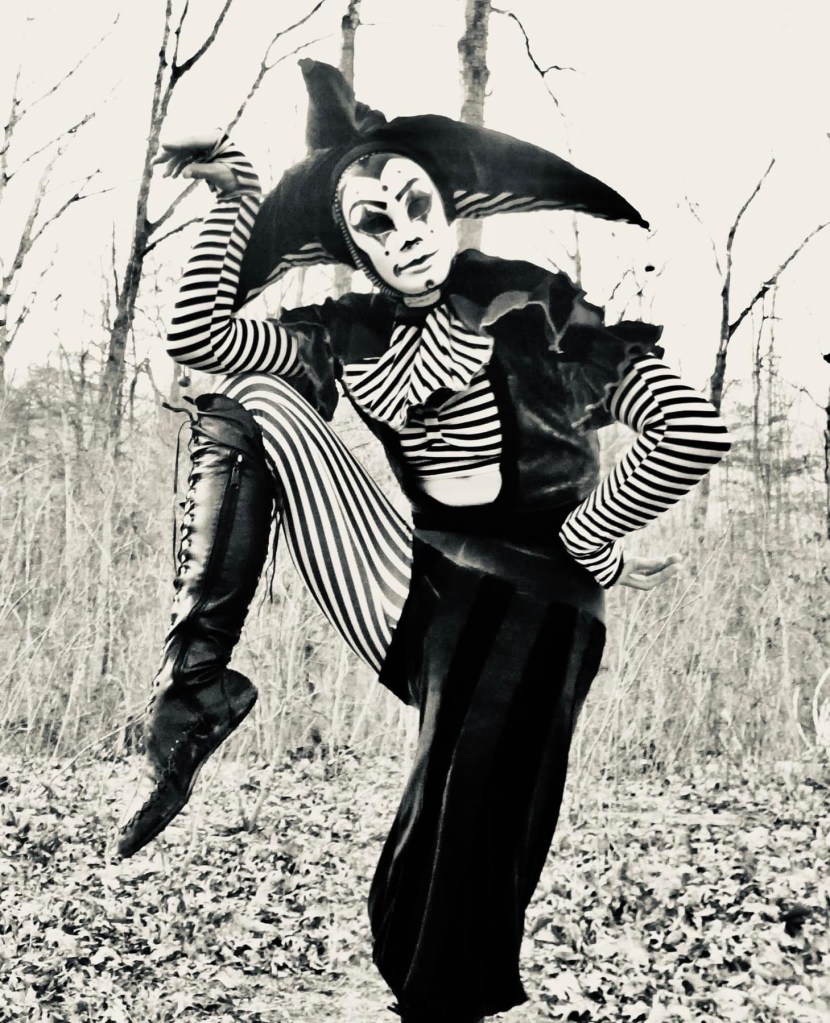
{self portrait series Kennedy Peak 8-6-24 part 4
::::The SilverScreen of the Underworld Dream }
~all photo captions contain quotes/excerpts from the book by Hillman

When using the word underworld, it is imperative to keep in mind a distinction made by some classicists. This distinction is of great psychological importance, because it frees the psychic realm from nature. Chthon and ge (“underworld” and “underground”) do not necessarily refer to the same region or evoke identical feelings. “Chthon with its derivatives refers in origin to the cold, dead depths and has nothing to do with fertility. “This kind of deep ground is not the same as the dark earth; and the Great Lady (potnia chthon), who sends black-winged dreams and who can also be called Erinys, cannot simply be merged into the single figure of the Great Earth Mother.




The strata of meanings which I have just laid out in terms of Demeter-Ge-chthon imagines a nonphysical earth or terre pur, below or beyond and maybe prior to the ground that we touch. Some etymologists and classicists try to relate the three “levels” culturally, believing one level of meaning to be prior in the sense of historically earlier than another; as if in a genealogy fantasy themselves, they try to derive one level from another, tracing the historical development of these three concepts. For example, Kirk refers to the very early pre-Socratic Pherecydes of Syros (frg. 1), who placed Chthon at the beginning with Zeus and Chronos, “but Chthonie acquired the name Ge…”


As the fantasy of Tartaros developed, it became more and more a pneumatic region of air and wind. Unlike the Christian hell of fire, in the imagination of late antiquity Tartaros was a region of dense cold air without light. Hence, Hades often was spoken of as having wings, just as in the Gilgamesh Epic, Enkidu dreams of his death as a transformation into a bird, his arms covered with feathers. The dead are clad like birds, their element evidently air.

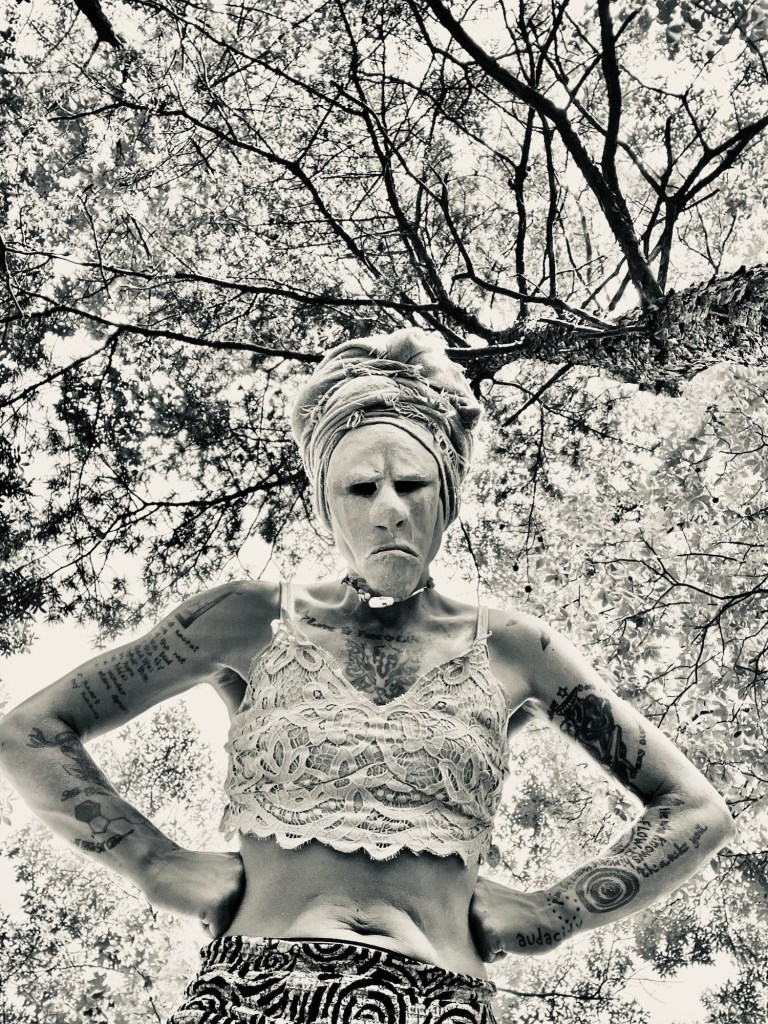
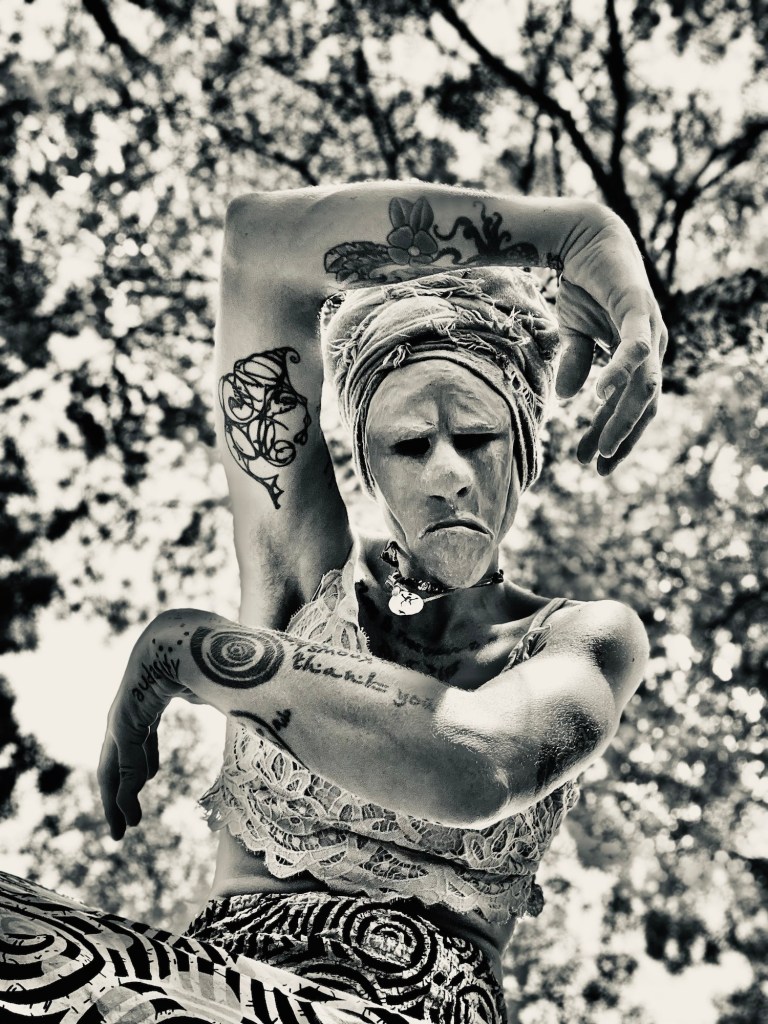

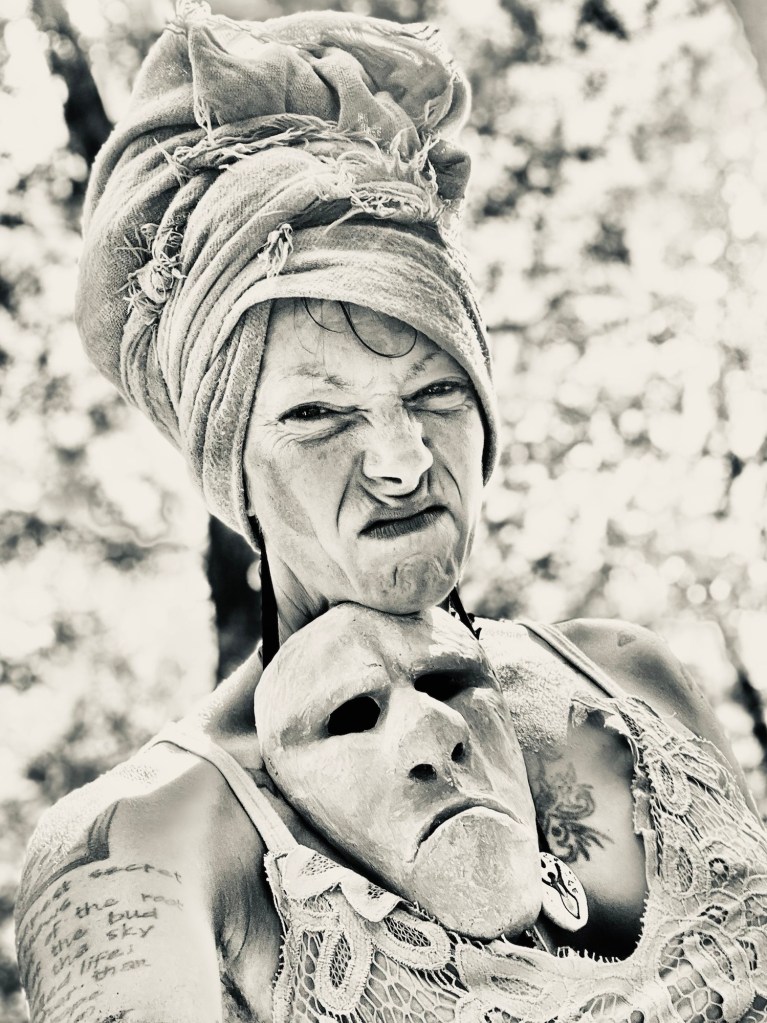

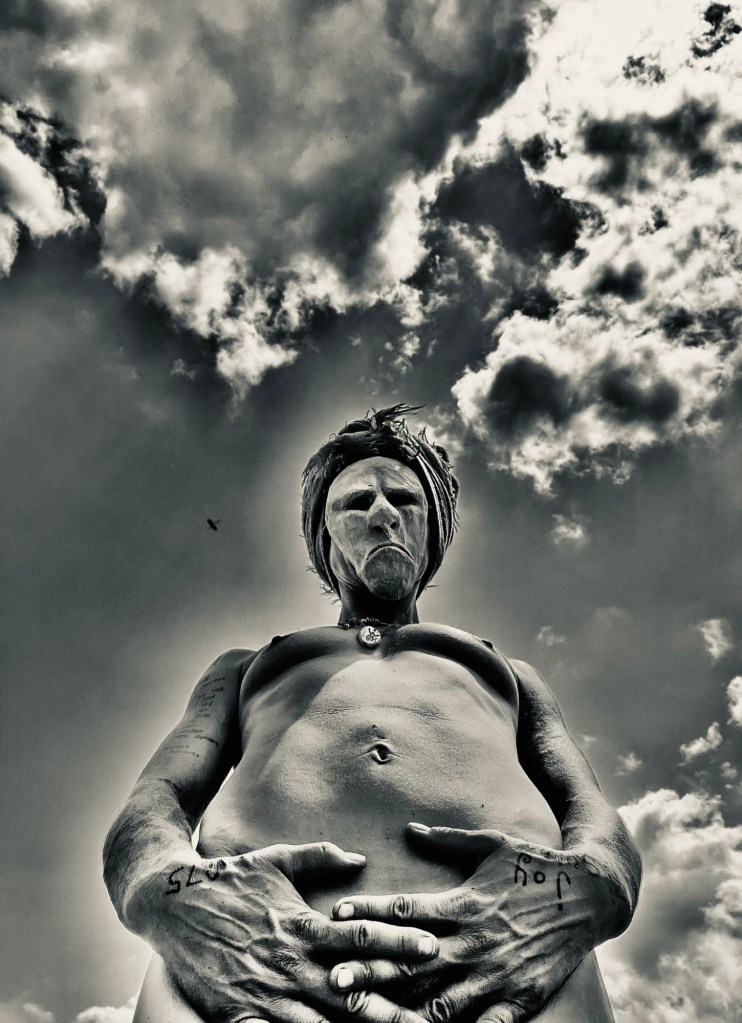
The region of the soul in which dreams have their home is deeper than flesh-and-blood urges, which we have been, mistakenly, calling chthonic, as if it were the same as natural, as if the underworld referred to ira and cupiditas, the blood-soul, the thymos. This all is earthy; the natural, physical, somatic soul of emotions. Our modern word unconscious has become a catch-all, collecting into one clouded reservoir all fantasies of the deep, the lower, the baser, the heavier (depressed), and the darker. We have buried in the same monolithic tomb called The Unconscious the red and earthy body of the primeval Adam, the collective common man and woman, and the shades, phantoms, and ancestors. We cannot distinguish a compulsion from a call, an instinct for an image, a desirous demand from a movement of imagination. Looking into the night from the while light of the dayworld (where the term unconscious was fashioned), we cannot tell the red from the black. So, we read dreams for all sorts of messages at once – somatic, personal, psychic, mantic, ancestral, practical, confusing instinctual and emotional life with the realm of death.
The pronounced distinction between emotion and soul, between emotional man and psychological man, comes out in another of Heraclitus’ fragments (85): “. . . whatever it [thymos] wishes it buys at the price of soul.” Thymos, the earlier Greek experience of emotional consciousness or moist soul, did not belong in the underworld. So, to consider the dream as an emotional wish costs soul; to mistake the chthonic as the natural loses psyche. We cannot claim to be psychological when we read dream image in terms of drives or desires. Whatever counsel an analyst gives about emotional life, supposing it drawn from dreams, refers to his experience, which he reflects from the dreams. It is not in the dreams. He is “sup-posing” about them, that is, he is “putting onto” them what he knows about life.
What one knows about life may not be relevant for what is below life. What one knows and has done in life may be as irrelevant to the underworld as clothes that adjust us to life and the flesh and bones that the clothes cover. For in the underworld all is stripped away, and life is upside down. We are further than the expectations based on life experience, and the wisdom derived from it.
Again, we can follow Heraclitus (frg. 27): “When men die there awaits what they neither expect nor even imagine.” The word translated here as “expect” is related in Greek to “hope” (elpis), so that the specific hope that is abandoned (Dante, Inferno 3) on entering the underworld perspective is the fantasy of daylife expectations and flesh-and-blood illusions. Souls in Hades are “incurable” said Plato. There is no alteration to be hoped for. Such hope would be hope for the wrong thing. We need more the hope of St. Paul, which is a hope of invisibles and for invisibles, than the hope of Pandora, who, as the wife of Prometheus, contains a hidden hope, which he makes evident in his mission to help mankind. To go deep into a dream requires abandoning hope, the hope that rises in the morning and would turn the dream to its purposes. At the Hades level of the dream there is neither hope nor despair. They cancel each other out; and we can move beyond the language of expectations, measuring progressions and regressions, ego strengthening and weakening, coping and failing.
It it were not in honour of Dionysus
that they conducted the procession and sang
the hymn to the male organ, their activity would be
completely shameless.
Hades and Dionysus are the same, no matter
how much they go mad and rave celebrating
bacchic rites in honour of the latter.
The passage has given scholars – those who accept this phrasing at all – so much trouble partly because it juxtaposes, even identifies, the very different realms we are keeping distinct: psychic essences and emotional nature.






















 BlissNinja