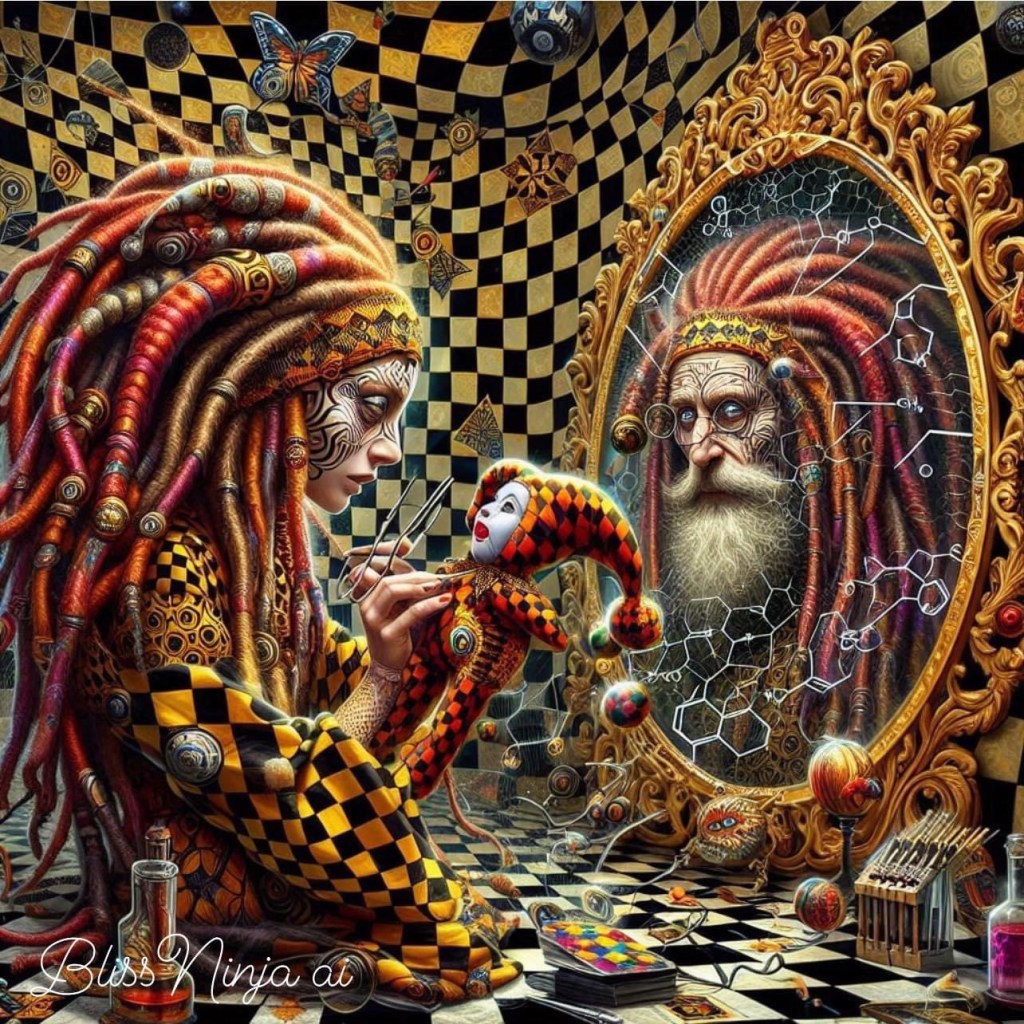
May the Mirror be Faced With new reCognition A New I born From repetition Of ancient sounds Burrowed deep Within the blessed soul Who sleeps Upon the wheel Of premonition That pokes and prods This sacred mission Of god-in-hiding To forgive the Mind That cries inside him Divided into whither And whence Perched upon hallowed fence That splits the world From Sight and Sense The rebirth of Light In the newly born Sun Til the Name has no number Not even The One May the Mirror be Faced With new reCognition A New l born From repetition
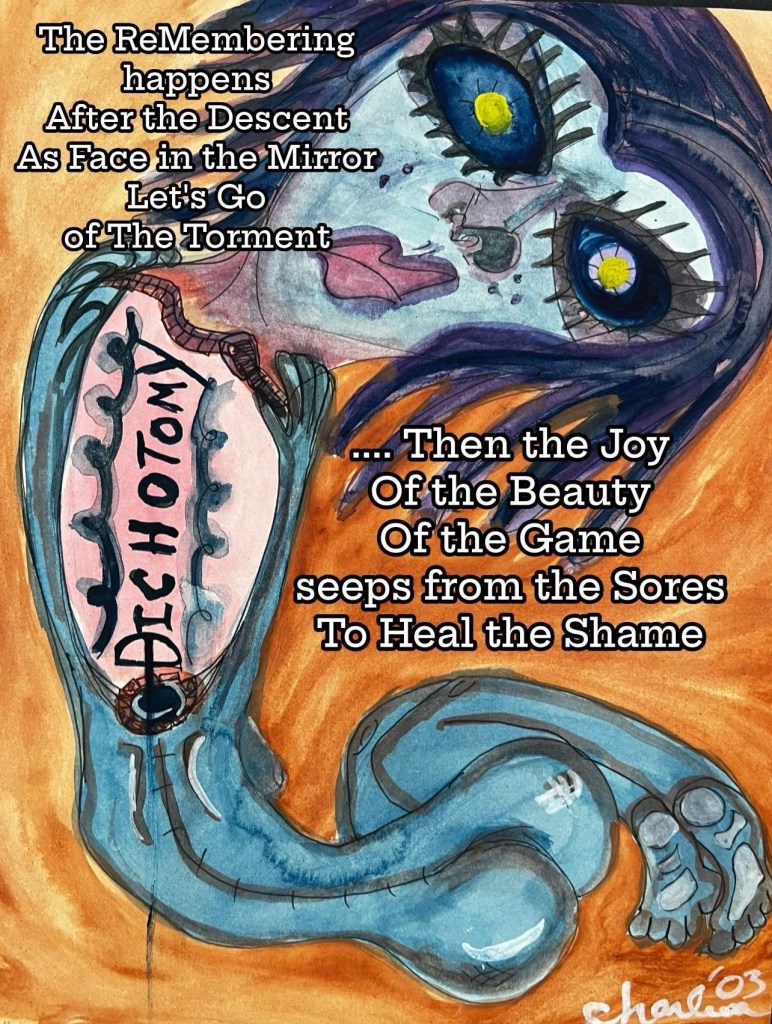
The Remembering happens After the descent As face in the mirror Lets Go the torment … then the Joy of the Beauty of the Game seeps from the sores to heal the shame
WHAT is Love? Ask him who lives, what is life; ask him who adores, what is God?
I know not the internal constitution of other men, nor even thine, whom I now address. I see that in some external attributes they resemble me, but when, misled by that appearance, I have thought to appeal to something in common, and unburthen my inmost soul to them, I have found my language misunderstood, like one in a distant and savage land. The more opportunities they have afforded me for experience, the wider has appeared the interval between us, and to a greater distance have the points of sympathy been withdrawn. With a spirit ill fitted to sustain such proof, trembling and feeble through its tenderness, I have everywhere sought sympathy, and have found only repulse and disappointment.
Thou demandest what is Love. It is that powerful attraction towards all we conceive, or fear, or hope beyond ourselves, when we find within our own thoughts the chasm of an insufficient void, and seek to awaken in all things that are, a community with what we experience within ourselves. If we reason, we would be understood; if we imagine, we would that the airy children of our brain were born anew within another’s; if we feel, we would that another’s nerves should vibrate to our own, that the beams of their eyes should kindle at once and mix and melt into our own; that lips of motionless ice should not reply to lips quivering and burning with the heart’s best blood. This is Love. This is the bond and the sanction which connects not only man with man, but with every thing which exists. We are born into the world, and there is something within us which, from the instant that we live, more and more thirsts after its likeness. It is probably in correspondence with this law that the infant drains milk from the bosom of its mother; this propensity developes itself with the developement of our nature. We dimly see within our intellectual nature a miniature as it were of our entire self, yet deprived of all that we condemn or despise, the ideal prototype of every thing excellent and lovely that we are capable of conceiving as belonging to the nature of man. Not only the portrait of our external being, but an assemblage of the minutest particles of which our nature is composed;* a mirror whose surface reflects only the forms of purity and brightness; a soul within our own soul that describes a circle around its proper Paradise, which pain and sorrow and evil dare not overleap. To this we eagerly refer all sensations, thirsting that they should resemble or correspond with it. The discovery of its antitype; the meeting with an understanding capable of clearly estimating our own; an imagination which should enter into and seize upon the subtle and delicate peculiarities which we have delighted to cherish and unfold in secret; with a frame whose nerves, like the chords of two exquisite lyres, strung to the accompaniment of one delightful voice, vibrate with the vibrations of our own; and of a combination of all these in such proportion as the type within demands; this is the invisible and unattainable point to which Love tends; and to attain which, it urges forth the powers of man to arrest the faintest shadow of that, without the possession of which there is no rest nor respite to the heart over which it rules. Hence in solitude, or in that deserted state when we are surrounded by human beings, and yet they sympathize not with us, we love the flowers, the grass, the waters, and the sky. In the motion of the very leaves of spring, in the blue air, there is then found a secret correspondence with our heart. There is eloquence in the tongueless wind, and a melody in the flowing brooks and the rustling of the reeds beside them, which by their inconceivable relation to something within the soul, awaken the spirits to a dance of breathless rapture, and bring tears of mysterious tenderness to the eyes, like the enthusiasm of patriotic success, or the voice of one beloved singing to you alone. Sterne says that if he were in a desert he would love some cypress. So soon as this want or power is dead, man becomes the living sepulchre of himself, and what yet survives is the mere husk of what once he was.
🔥It is the one who accepts commitment who is strong. The true commitment is the artistic one. This is why artists are so often attacked. They are attacked for their morals, for their ideas – even for their work. Yet their essence – their commitment – is the secret which is unassailable. The true artist knows that creativity is its own reward. Ordinary people fear commitment, you see. Ordinary people fear creativity. They know that if they allow that seething cauldron of yellow liquid to boil over within themselves, then their whole lives will be changed. People fear change. People do not wish to be creative and artistic in any real sense. They wish to decorate, perhaps, and to make things around themselves pleasant – but this has little to do with creativity. … All spiritual paths should be creative. Creativity is involved with sacrifice. That stew of yellow liquid which boils in everyone is a sacrificial broth …🔥
This is the Nekyia, the night sea journey through the underworld made also by Odysseus, Aeneas, and Hercules, and by Eurydice, Inanna, Persephone, Psyche, by Orpheus, by Christ. Whether this underworld is frigid and ghastly or burning with the hots of hell, it is a realm characterized by temperatures suitable only for demons, ghosts, heroes and heroines, goddesses and shades who are no longer altogether of the upper world. Outsiders. Marginals. Alchemy is a profession of marginals; those at the edge. Those who live from their own fires, sweating it out, self-sustaining their own temperatures which may be at variance with the collective climate.”
“To sense penetratingly we must imagine, and to imagine accurately we must sense.”
James Hillman
( Continues in photo captions)
“Rather let us imagine the anima mundi as that particular soul-spark, that seminal image, which offers itself through each thing in its visible form. Then anima mundi indicates the animated possibilities presented by each new event as it is, its sensuous presentation as a face bespeaking its interior image – in short, its availability to imagination, its presence as psychic reality. Not only animals and plants ensouled as in the Romantic vision, but soul is given with each thing, God-given things of nature and man-made things of the street.”
James HillmanThere is a further consequent of the credit one pays to the im- ages of the soul. A new feeling of self-forgiveness and self-acceptance begins to spread and circulate. It is as if the heart and the left side were extending their dominion. Shadow aspects of the personality continue to play their burdensome roles but now within a larger tale, the myth of oneself, just what one is which begins to feel as if that is how one is meant to be. My myth becomes my truth; my life symbolic and allegorical. Self-forgiveness, self-acceptance, self-love; more, one finds oneself sinful but not guilty, grateful for the sins one has and not another’s, loving one’s lot even to the point of desire to have and to be always in this vivid inner connection with one’s own individual portion. Such strong experiences of religious emotion seem to be the gift again of the anima.
James HillmanThe third step is gratuitous. It refers to the free and creative appearance of imagination, as if the inner world now come to life begins to act spontaneously, by itself, undirected and even unattended by ego-consciousness. The inner world not only begins more and more to take care of itself, producing crises and resolving them within its own transformations, but it also takes care of you, your ego-worries and ego-claims. This is the feminine Shakti of India at a higher state; it is also the nine Muses responsible for culture and creativity. One feels lived by imagination.
James HillmanPanic, especially at night when the citadel darkens and the heroic ego sleeps, is a direct participation mystique in nature, a fundamental, even ontological experience of the world as alive and in dread. Objects become subjects; they move with life while one is oneself paralyzed with fear. When existence is experienced through instinctual levels of fear, aggression, hunger or sexuality, images take on compelling life of their own. The imaginal is never more vivid than when we are connected with it instinctually. The world alive is of course animism; that this living world is divine and imaged by different gods with attributes and characteristics is polytheistic pantheism. That fear, dread, horror are natural is wisdom. In Whitehead’s term nature alive means Pan, and panic flings open a door into this reality.
James Hillman“A world without soul offers no intimacy. Things are left out in the cold, each object by definition cast away before it is manufactured, lifeless litter and junk, taking its value wholly from my consumptive desire to have and to hold, wholly dependent on the subject to breathe it into life with personal desire. When particulars have no essential virtue, then my own virtue as a particular depends wholly and only on my subjectivity or on your desire for me, or fear of me: I must be desirable, attractive, a sex-object, or win importance and power. For without these investments in my particular person, coming either from your subjectivity or my own, I too am but a dead thing among dead things, potentially forever lonely.”“Isn’t devotio to anima the calling of psychology? So, another deep-seated reason for this book is to provide grounding for the vision of soul in psychology, so that psychology doesn’t abandon itself to the archetypal perspectives of the child and developmentalism or the mother and material causalism. The vision of soul given by anima is more than just one more perspective. The call of soul convinces; it is a seduction into psychological faith, a faith in images and the thought of the heart, into an animation of the world. Anima attaches and involves. She makes us fall into love. We cannot remain the detached observer looking through a lens. In fact, she probably doesn’t partake in optical metaphors at all. Instead, she is continually weaving, stewing, and enchanting consciousness into passionate attachments away from the vantage point of a perspective.
(James Hillman, Anima, ix-x)I like to imagine a person’s psyche to be like a boardinghouse full of characters. The ones who show up regularly and who habitually follow the house rules may not have met other long-term residents who stay behind closed doors, or who only appear at night. An adequate theory of character must make room for character actors, for the stuntmen and animal handlers, for all the figures who play bit parts and produce unexpected acts. They often make the show fateful, or tragic, or farcically absurd.
James HillmanDRAMATIC TENSIONS If psychotherapy is to understand the dreaming soul from within, it had best turn to “theatrical logic.” The nature of mind as it presents itself most immediately has a specific form: Dionysian form. Dionysus may be the force that through the green fuse drives the flower, but this force is not dumb. It has an internal organization. In psychology this language speaks not genetically, not biochemically in the information of DNA codes, but directly in Dionysus’s own art form, theatrical poetics. This means the dream is not a coded message at all, but a display, a Schau, in which the dreamer himself plays a part or is in the audience, and thus always involved. No wonder that Aristotle placed psychotherapy (catharsis) in the context of theater. Our lives are the enactment of our dreams; our case histories are from the very beginning, archetypally, dramas; we are masks (personae) through which the gods sound (personare). Like dreams, inner fantasy too has the compelling logic of theater.
James HillmanDionysian consciousness understands the conflicts in our stories through dramatic tensions and not through conceptual opposites; we are composed of agonies not polarities. Dionysian consciousness is the mode of making sense of our lives and worlds through awareness of mimesis, recognizing that our entire case history is an enactment, “either for tragedy, comedy, history, pastoral, pastoral-comical, historical-pastoral, tragical-historical, tragical- comical-pastoral,” and that to be “psychological” means to see myself in the masks of this particular fiction that is my fate to enact. Finally, to view ourselves from within a drama refers to the religious origins, not only of drama, but of the mythical enactments that we perform and name with the mask of “behavior.”
I am the pupil in the center of the eye I am the pupae in the center of the sky I am the purpose of the moon and the mind I am the purplepink lustre of the rotting rind.
I am moved not by your manipulation I am smoothed not by your capitulation I am removed from your observation I am soothed by your undulation.
But what does this mean, what does this mean Where does this lead me, the silver queen the rampant wanderer of time and rhyme the vagabond rambler through moistened minds?
And where does this take me, what forgotten land what does this make me, and by whose hand where will I lay my weary head my friend when the path that I tread winds to the end?
In the darkness of this [analytical] initiation, the two people instinctively move nearer to each other. A bond forms, as if an eros between the dying, something that is other than the transference of past emotions, other than love between pupil and guide, between patient and doctor, a quite rare and inexplicable feeling brought by the mystery of the image.
I do not know what this kind of loving is, but it is not reducible to other more familiar forms. Perhaps it is an experience of the eros in Thanatos. Perhaps it is an experience of telestic eros, of which Plato speaks in the Phaedrus, the eros of the mysteries and initiations of the soul; or, it may have something to do with the creative eros that always occurs when one is close to soul, the myth of (Eros) and Psyche moving through our emotions. Whatever the nature, there is a loving in dream work. We sense that dreams mean well for us, back us up and urge us on, understand us more deeply than we understand ourselves, expand our sensuousness and spirit, continually make up new things to give us- and this feeling of being loved by the images permeates the analytical relationship. Let us call it imaginal love, a love based wholly on relationship with images and through images, a love showing in the imaginative response of the partners to the imagination in the dreams. Is this Platonic love? It is like the love of an old man, the usual personal content of love voided by coming death, yet still intense, playful, and tenderly, carefully close.
“⭐️This book changed the way I look at dreams, or maybe the book taught me what my heart always wanted me to understand. Hillman looks at the dream as happening in the “Underworld” – a place of death – and wants us to enter into that world to understand the dream instead of trying to drag the dream up into the day-world by interpreting it.
Some quotes from the book:
“Freud’s method projects the persons in a dream back over the bridge into the dream-day, even if for the sake of their latent meaning. We associate my dream-brother and dream-father to my day-brother and day-father and, by this association, return the dream to the day. Jung’s method of interpretation on the subjective level takes the dream persons into the subject of the dreamer. They become expressions of my psychic traits. They are introjected into my personality. In neither method do we ever truly leave the personal aspect of the dream persons, and thus they remain in the upperworld. Dare I say it loud and clear? The persons I engage with in dreams are neither representations of their living selves nor parts of myself. They are shadow images that fill archetypal roles; they are personae, masks, in the hollow of which is numen.”
“Public performance on a stage, perhaps because it puts us into the underworld of theatre, also constellates the curious interplay between life-soul and image-soul. The almost depersonalization experience of stage fright makes one feel deserted by one’s soul. All that one memorized and trained for has suddenly vanished. It is as if another soul must play the role, and this moment of going on stage is like a rite de passage, a transition into death.”
“For a dream image to work in life it must, like a mystery, be experienced as fully real. Interpretation arises when we have lost touch with the images, when their reality is derivative, so that this reality must be recovered through conceptual translation. Then we try to replace its intelligence with ours instead of speaking to its intelligence with ours.”
Hillman notes that when we see a killer in a dream, we tend to fear him. But Hillman looks at this figure as a helper who is trying to initiate us into the Underworld land-of-the-dead; the dream world: “There is a divine death figure in the killer, either Hades, or Thanatos, or Kronos-Saturn, or Dis Pater, or Hermes, a death demon who would separate consciousness from it life attachments.
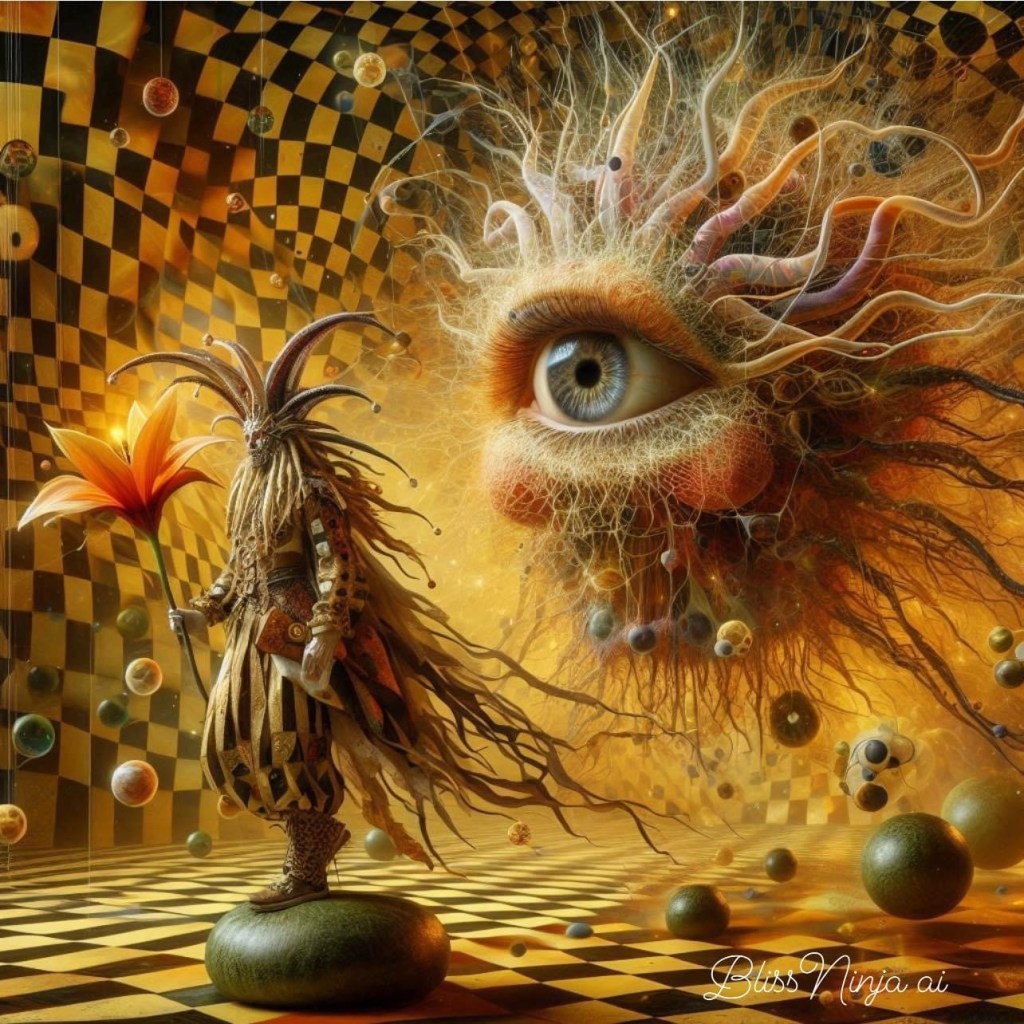
Hillman, in one section of the book describes the circus as a metaphor of the Underworld: “Where else but the circus will we ever see the underworld in daylight: the tent of enclosed space, the rings, everyone as close to death as his or her art will allow, the freaks of nature that are beyond nature, and above all, the precise performances of repetitive nonsense, as if Ixion, Tantalus, and Sisyphus had once worked for Ringling Brothers.”
“The comic spirit masquerades in all things we do and say; we are each a joke and do not need to put on a white face. The matter is not one of becoming a clown but of learning what he teaches: making an art of our senseless repetitions, our collapsing and our pathologizings, putting on the face of death that allows the dream world in and watching it turn ordinary objects into amazing images, our public persons into butts of laughter.”
“Unfortunately psychology emphasizes attention and recall; the dayworld wishes to have, must absolutely have, a ‘good memory’; a bad memory is more devastating to success than is a bad conscience. Forgetting therefore becomes a pathological sign. But depth psychology based on an archetypal perspective might understand forgetting as serving a deeper purpose, seeing in these holes and slips in the dayworld the means by which events are transformed out of personal life, voiding it, emptying it. Somehow we must come to better terms with Lethe, since she rules many years, especially the last years, and we would be foolish to dismiss her work only as pathological. The romantics took Lethe most seriously.”⭐️
James Kulm, in reference to the book ‘The Dream and the Underworld’ by James Hillman
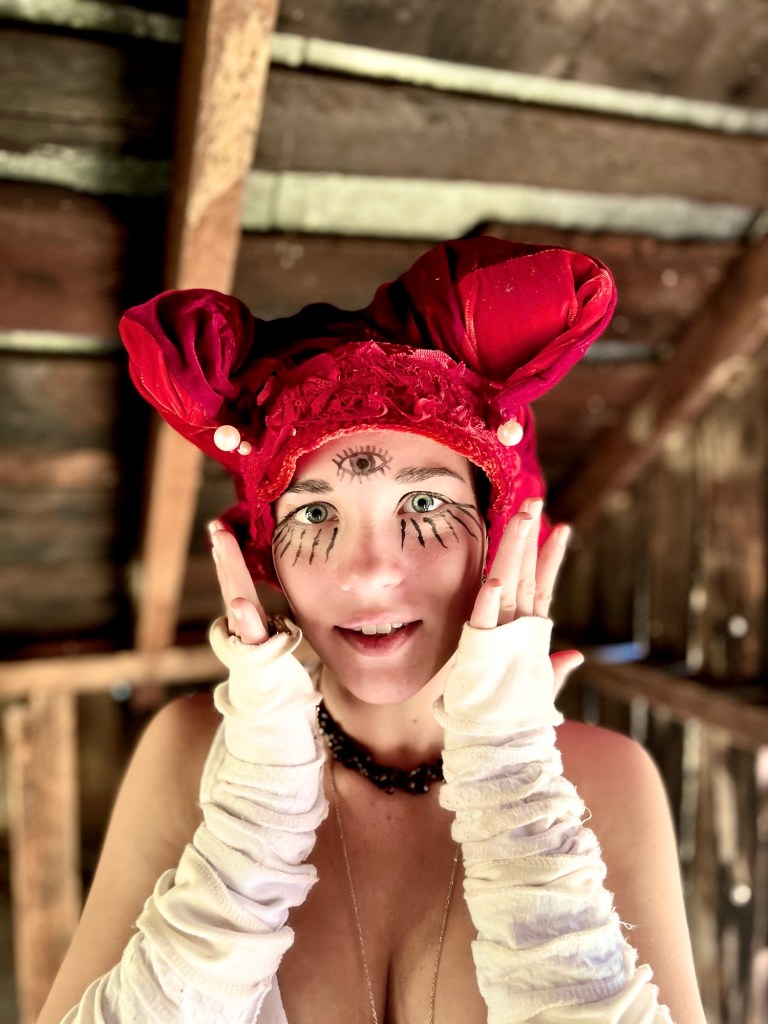
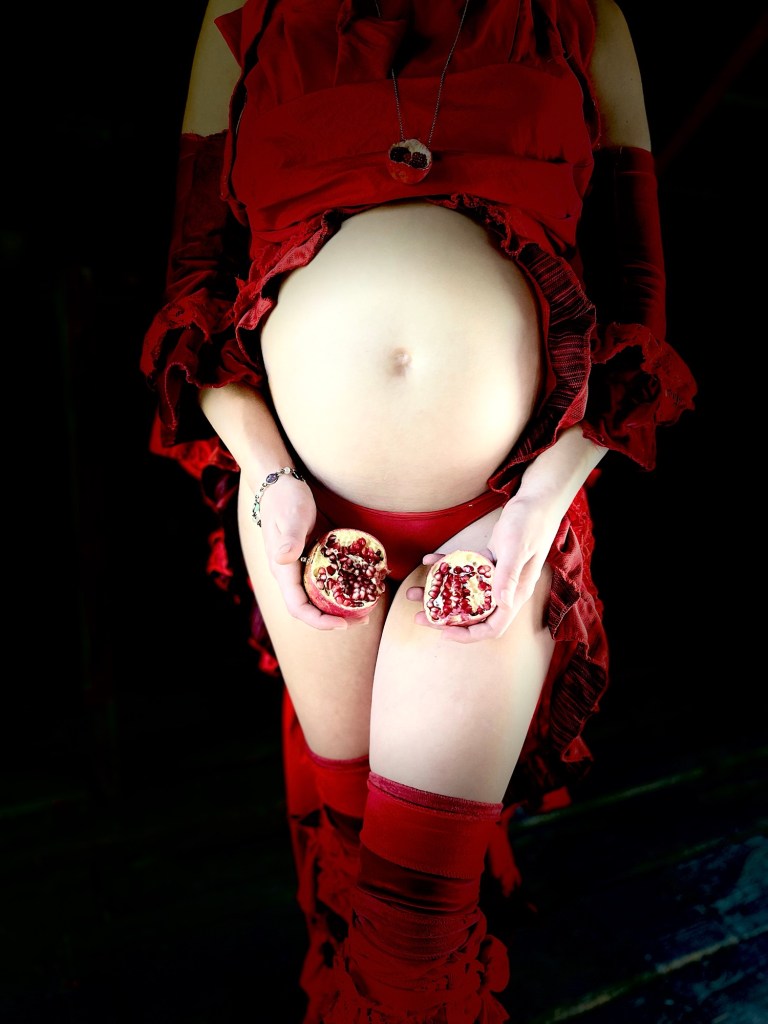
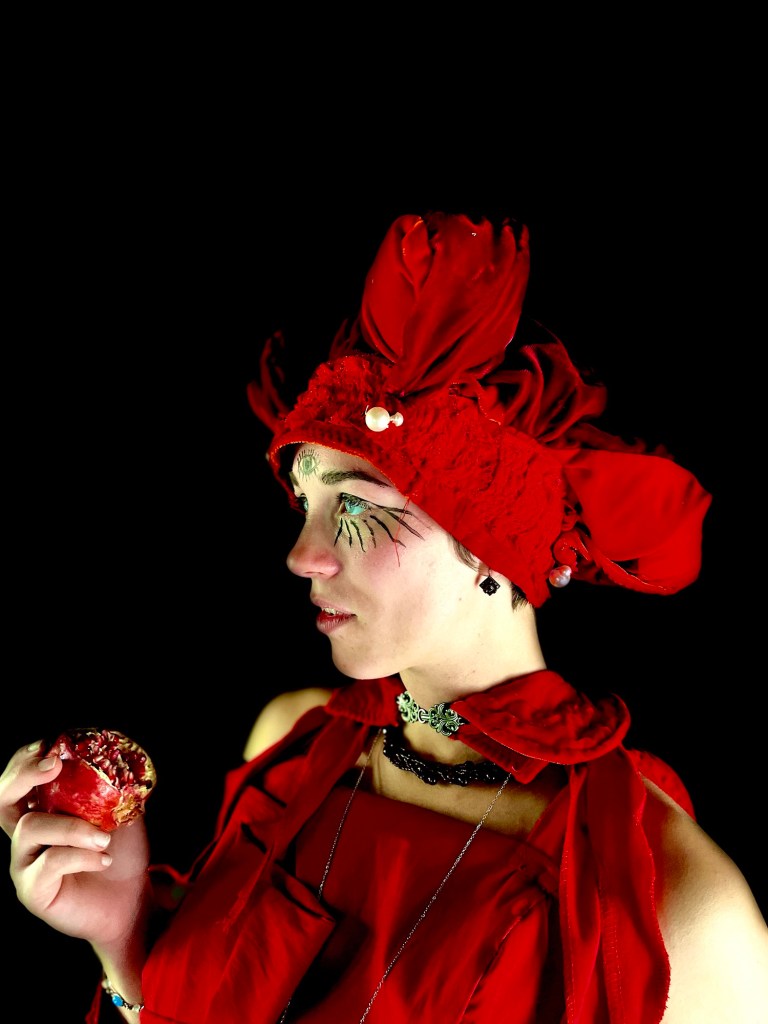
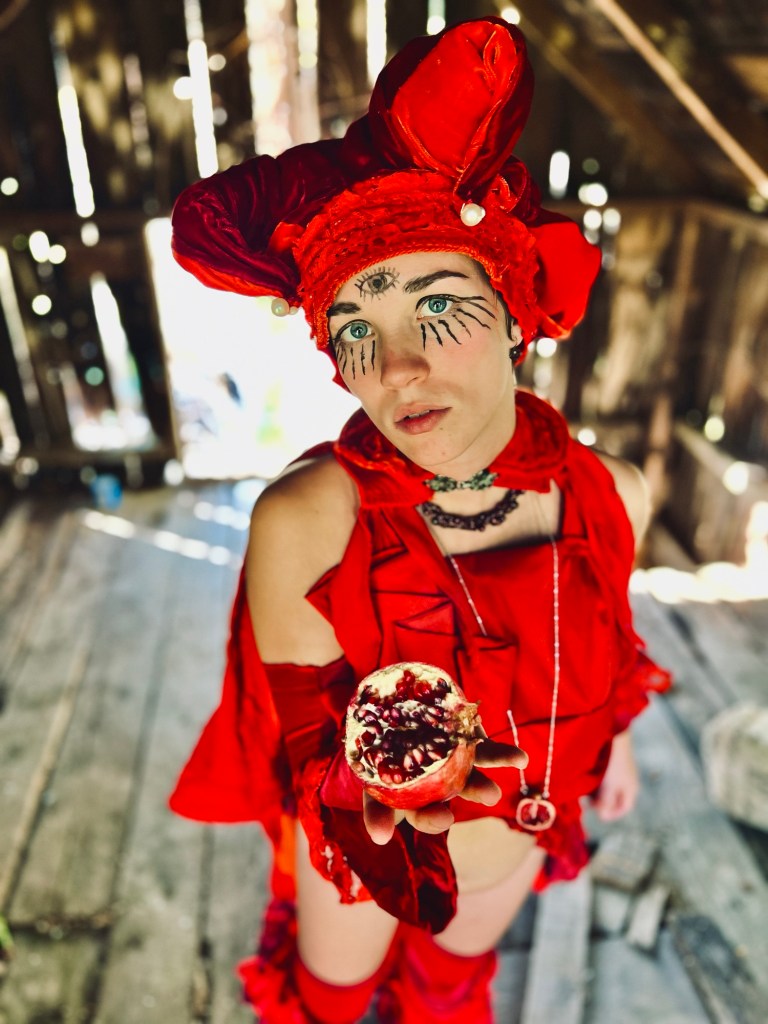
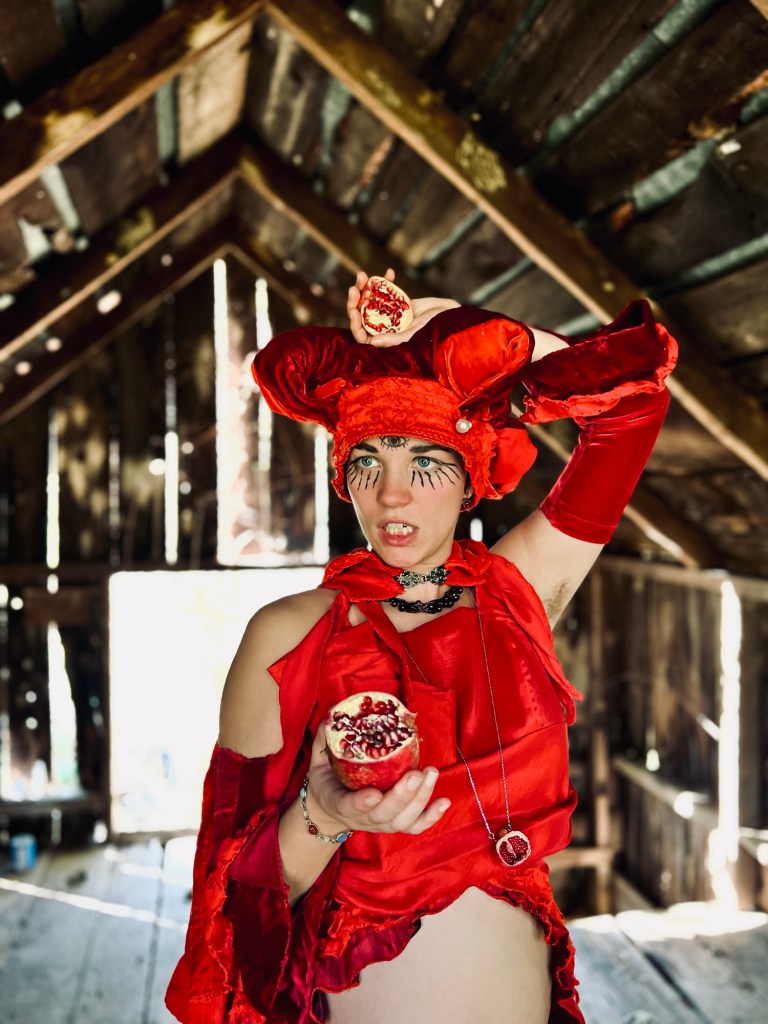
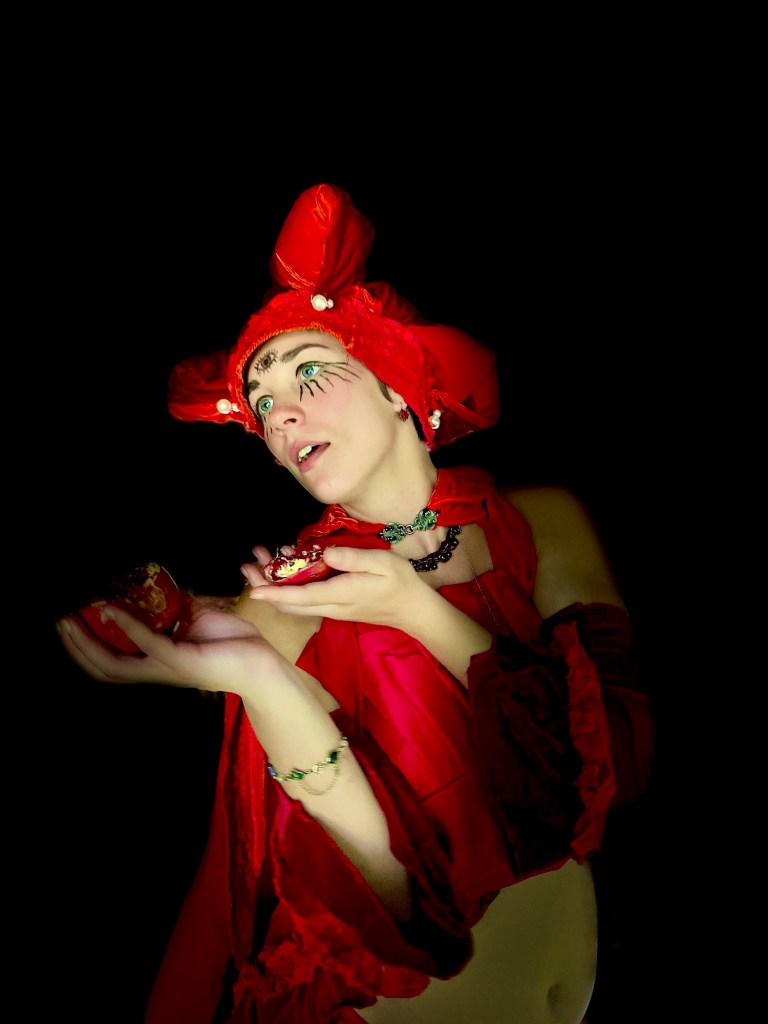
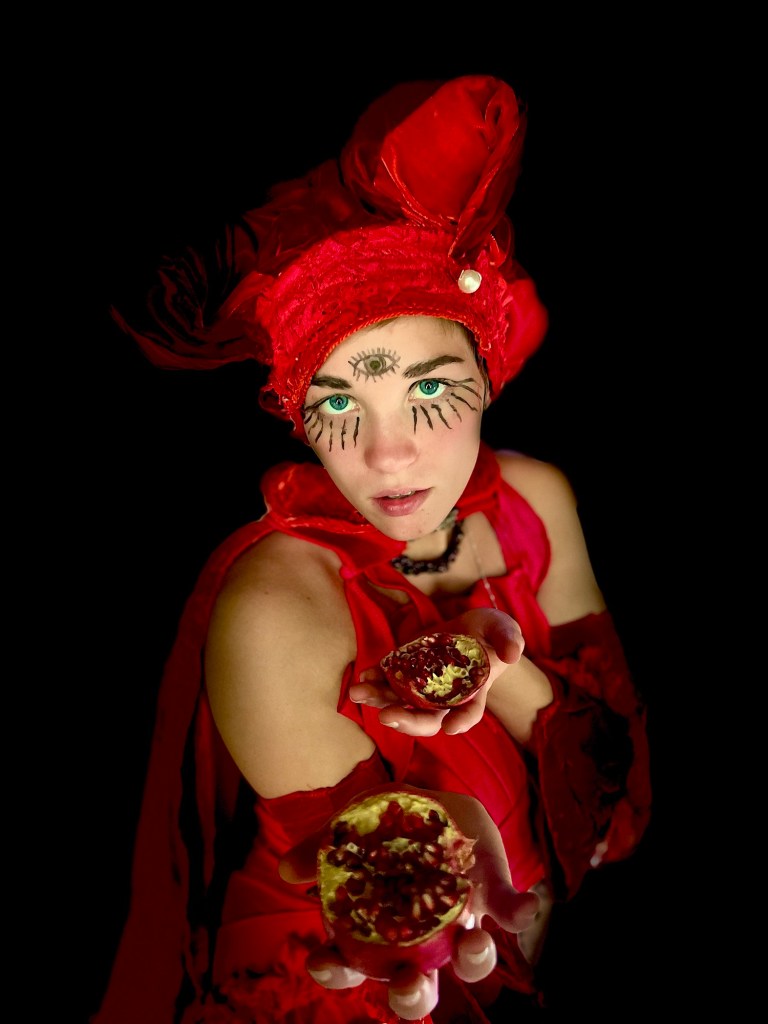
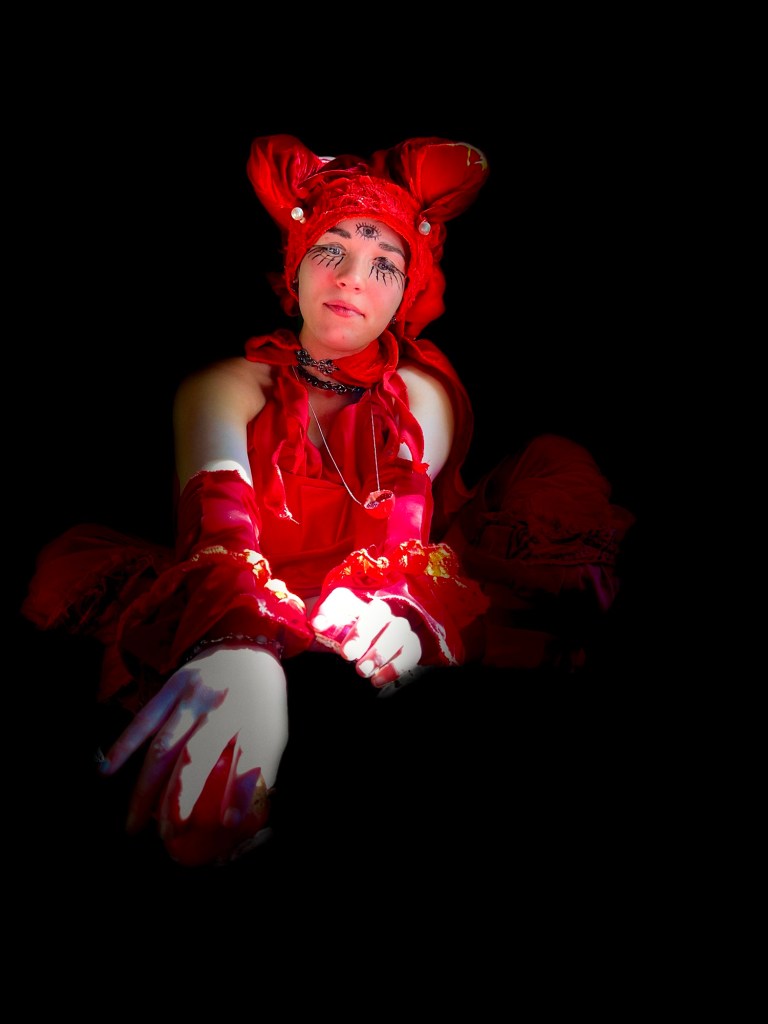
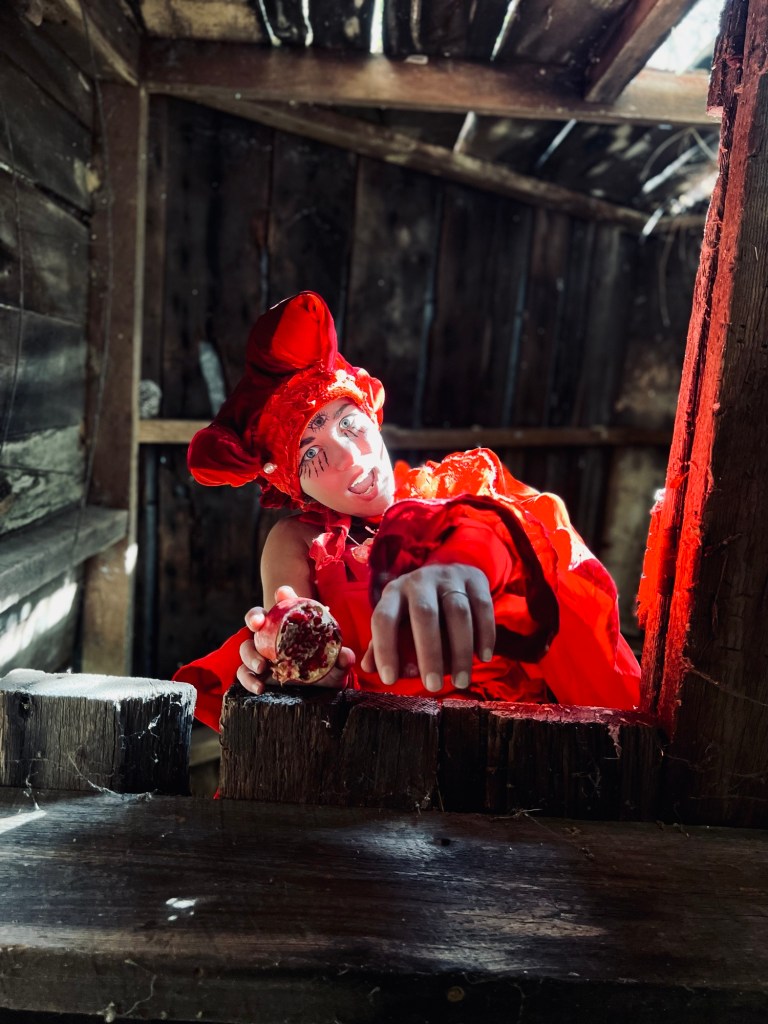
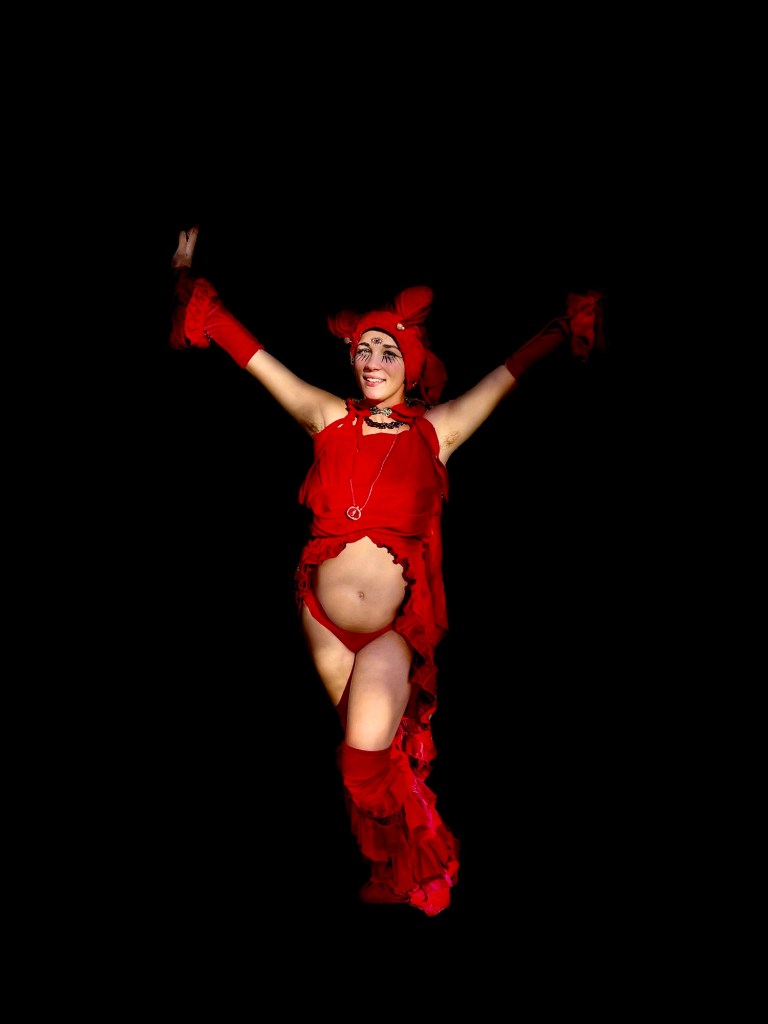
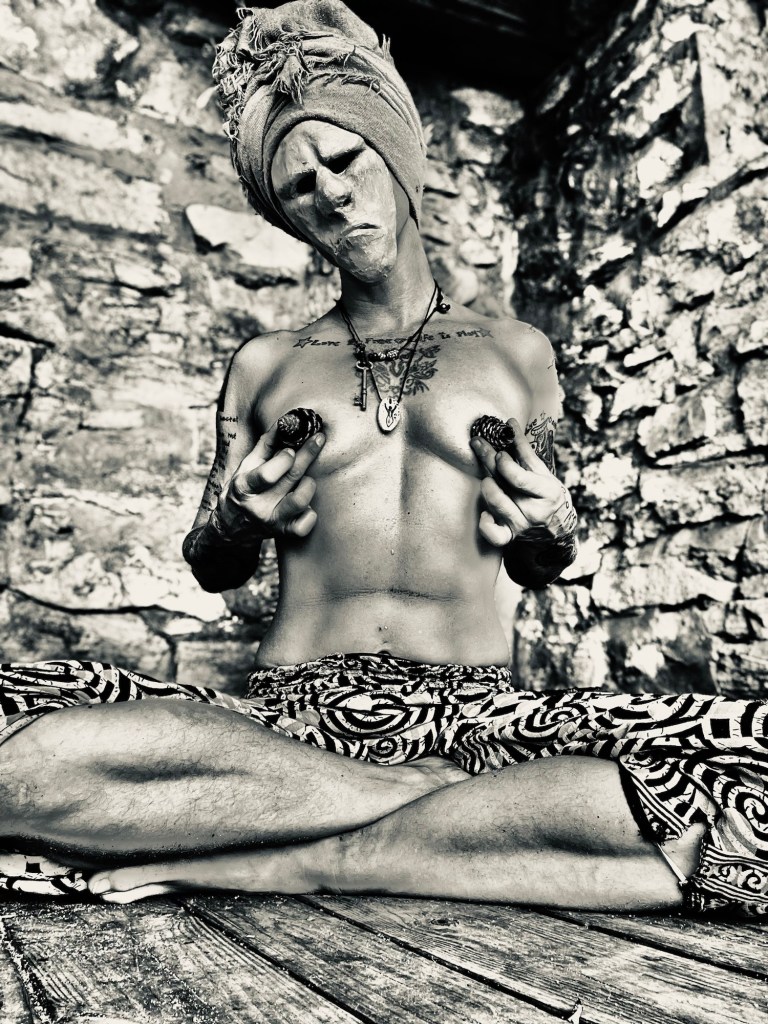
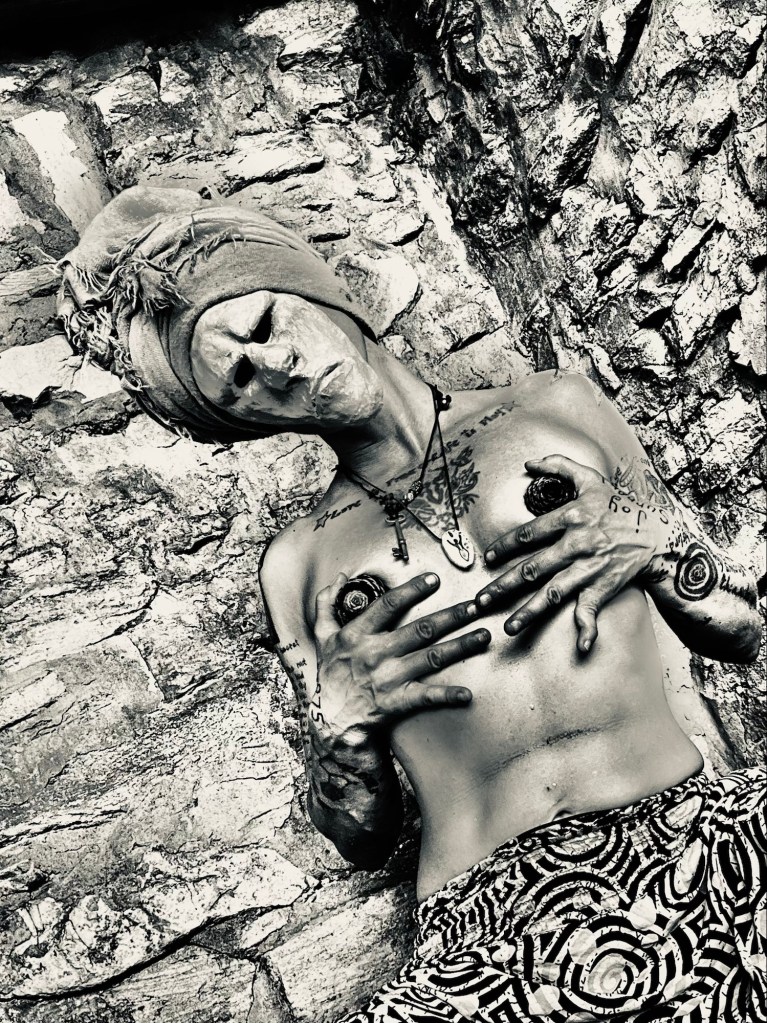
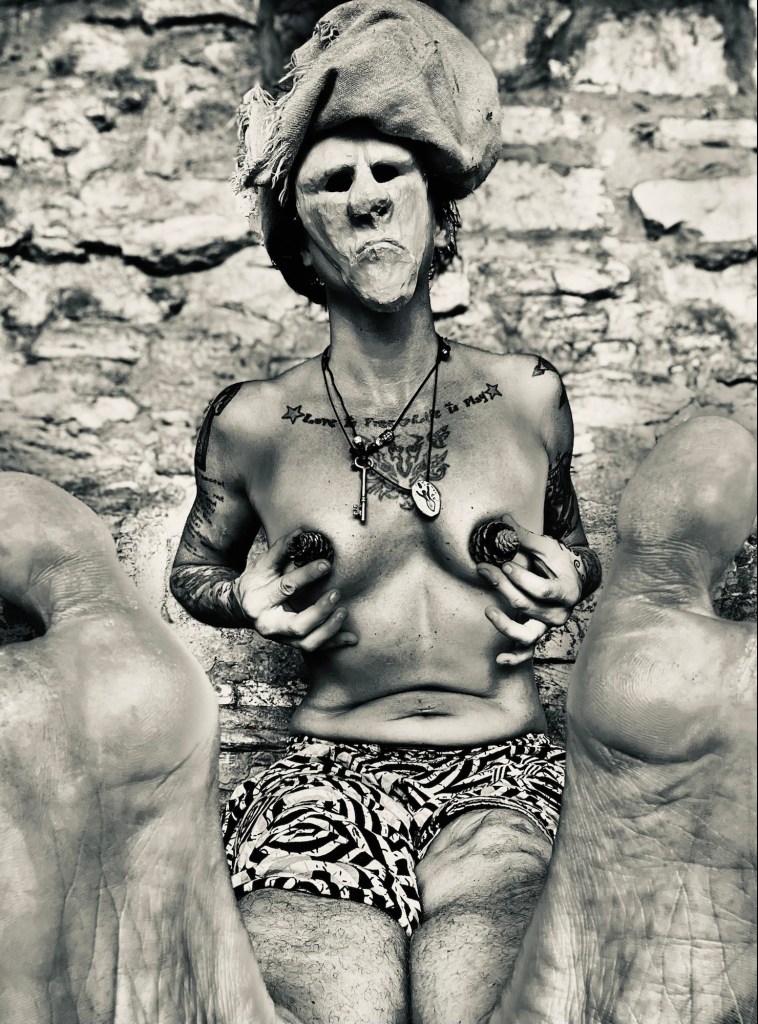
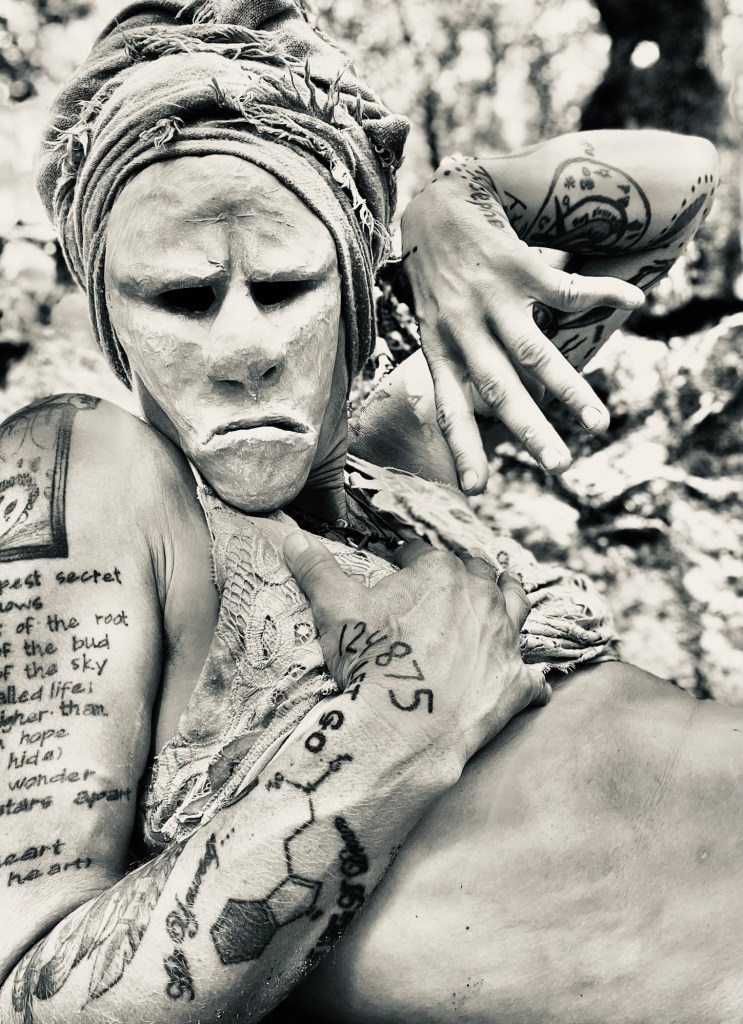
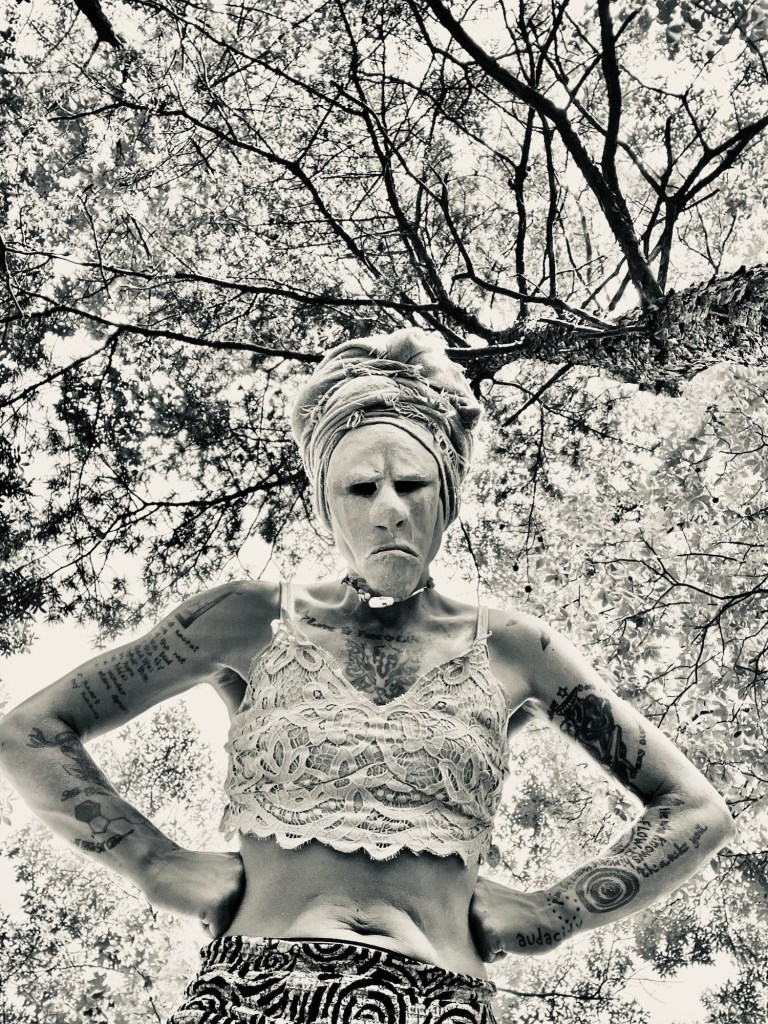
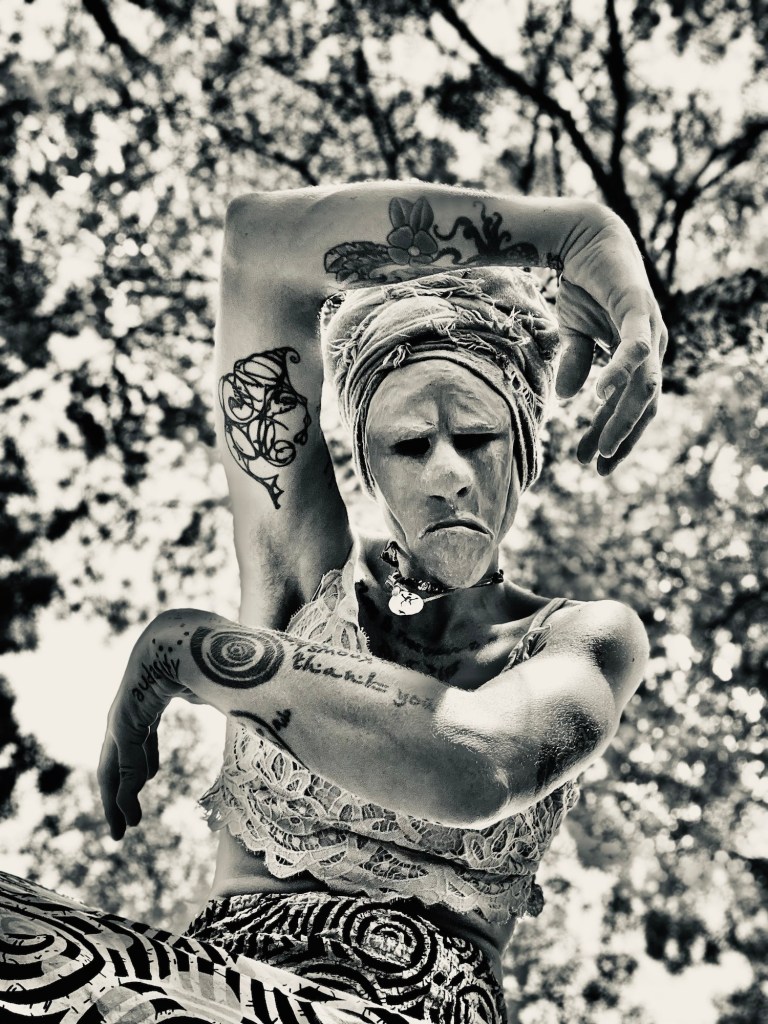
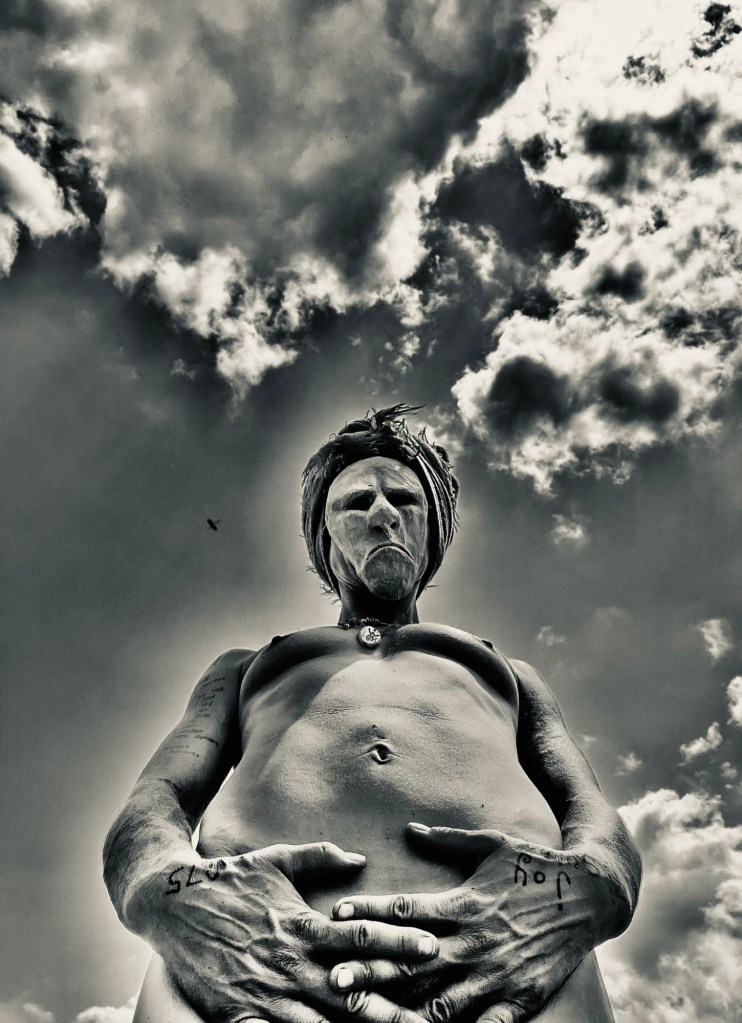
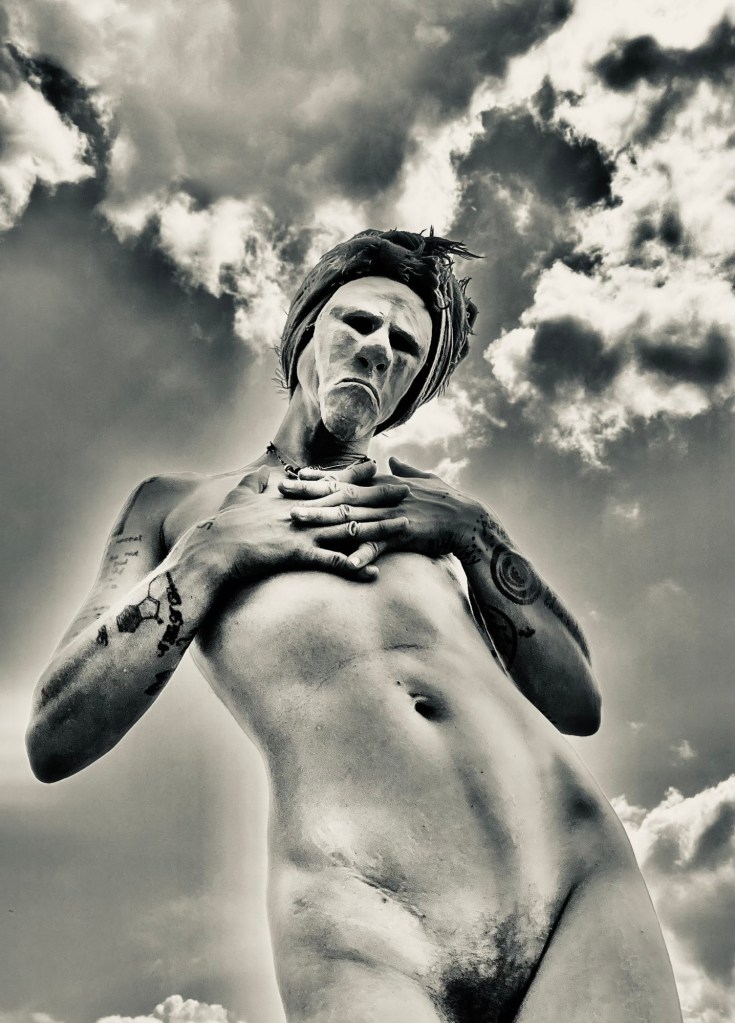
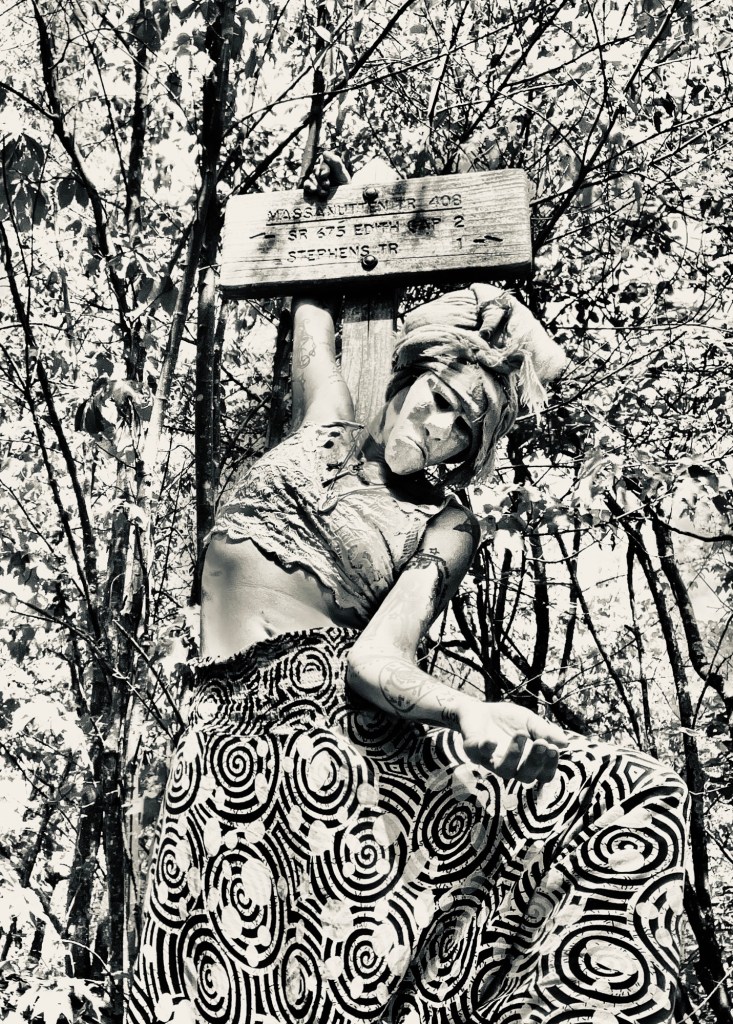
{self portrait series Kennedy Peak 8-6-24 part 4 ::::The SilverScreen of the Underworld Dream }
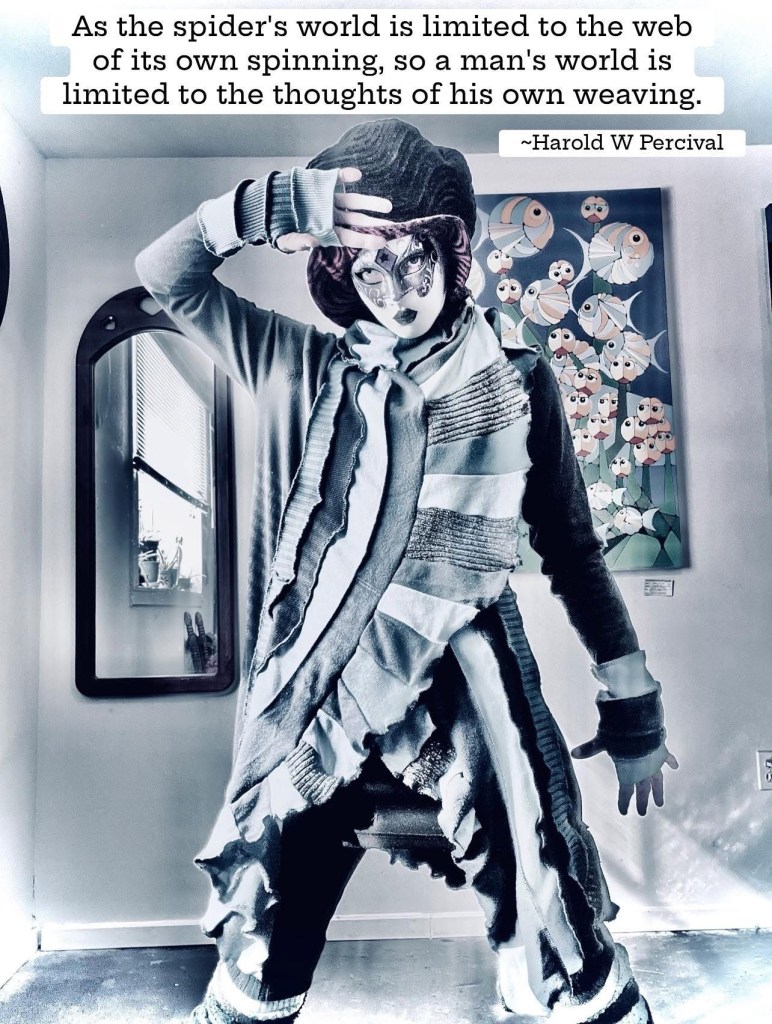
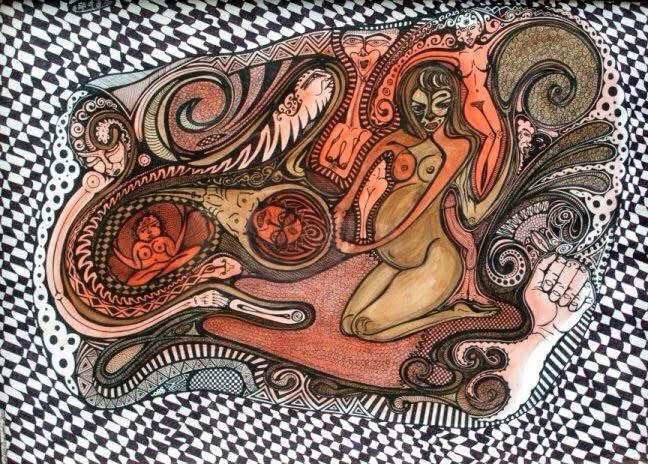
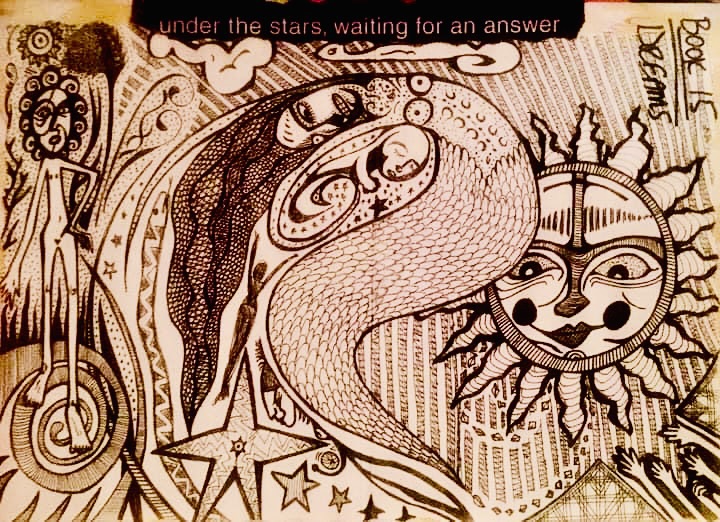
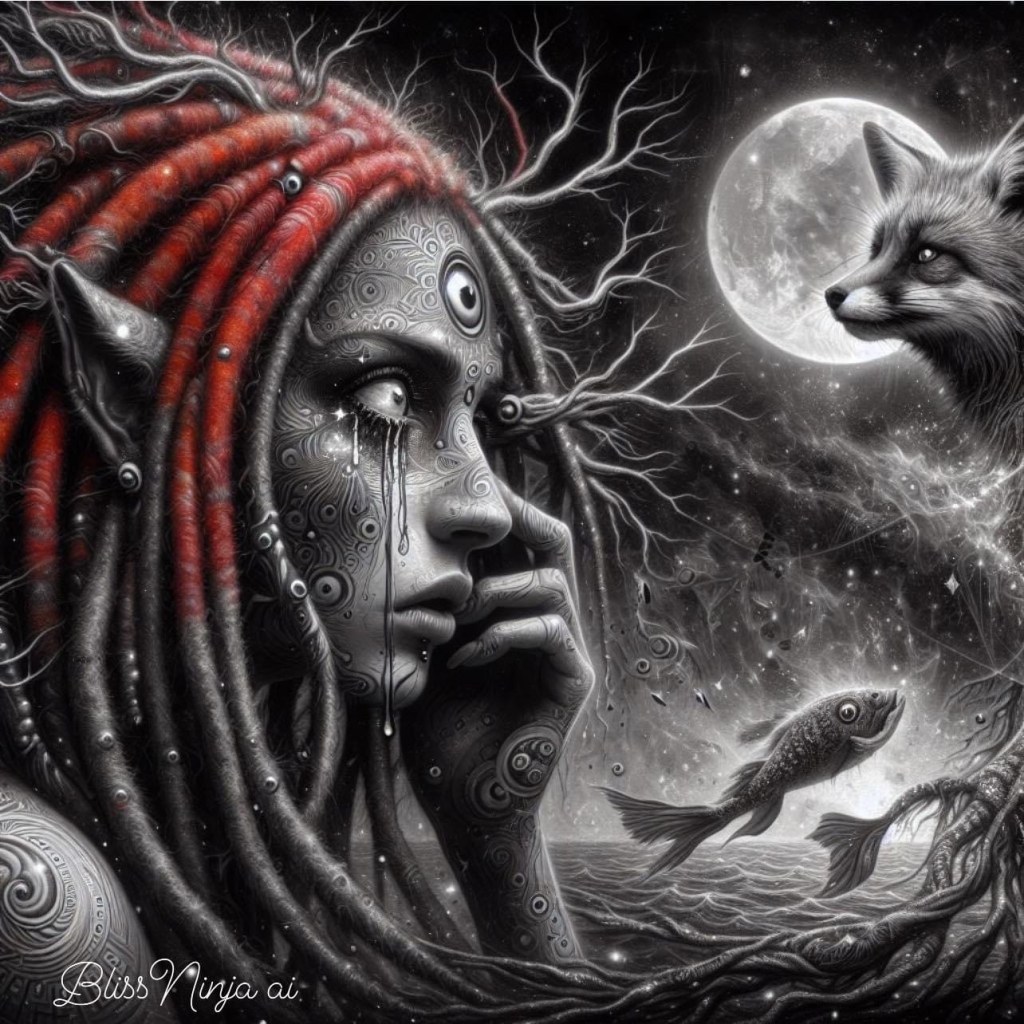
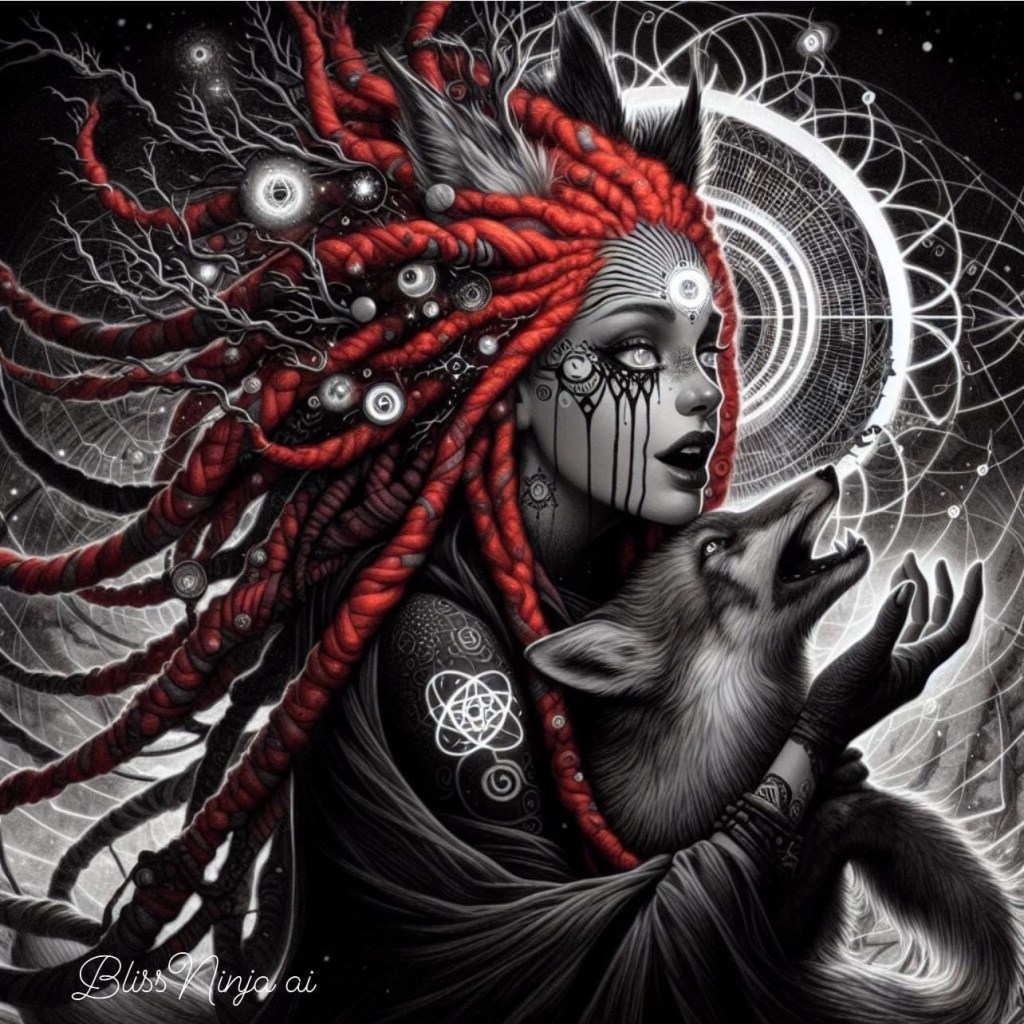
~all photo captions contain quotes/excerpts from the book by Hillman
UNDERGROUND AND UNDERWORLD When using the word underworld, it is imperative to keep in mind a distinction made by some classicists. This distinction is of great psychological importance, because it frees the psychic realm from nature. Chthon and ge (“underworld” and “underground”) do not necessarily refer to the same region or evoke identical feelings. “Chthon with its derivatives refers in origin to the cold, dead depths and has nothing to do with fertility. “This kind of deep ground is not the same as the dark earth; and the Great Lady (potnia chthon), who sends black-winged dreams and who can also be called Erinys, cannot simply be merged into the single figure of the Great Earth Mother.Psychology’s great-mother complex has swallowed even her own differentiations. Small wonder that this complex is also called “uroboric consciousness,” for even she herself vanishes into an interpretive monotony that makes me believe that the monotheistic psychology I so often belabor is less a mimesis of ancient Hebrewism (within and alongside of which there was much space for imaginal variety) than it is a mimesis of the Great Mother. Monism as Momism. Be this as it may, when we read analytical psychology today to discover about the ‘chthonic,’ we find it has taken on her meaning of primitive earthiness. Morever, as primitive and earthy, it must mean matriarchal and feminine. Thus our instinctual body, whether in flesh or image, in men or women, in the past or now, belongs to her, and we must become murderous heroes to get it back. The great-mother complex hangs the trinket of female gender on agriculture and fertility, as well as on the earth, body, instinct, and on depth. This move ignores that chthonic is an epithet belonging in the sense of “Is ignorant about,” a chthon that cannot be identified with instinctual body or earthy soil.Let us be clear: the chthonic is not only female, not only instinctual, not only physical, and it does not have to do with fertility rites. As Wilamowitz-Moellendorf said, Ïf modern scholars, who talk so much about chthonian cults, think in this connection of agriculture and all that goes along with Demeter in that sphere, they have not accustomed their ear to the overtones of Greek words.” The two words ge and chthon imply two worlds, the first of the earth and in it, the second below the earth and beyond it.There are even three distinctions here which have been imagined as levels of earth: an earthed imagination in keeping with Ge herself, whose name we still find in ge-ography, ge-ology, and ge-ometry. The first of these distinctions is between Demeter’s horizontal green plain with its activities of growth and Ge, the earth below Demeter. This second level Ge, may be imagined as the physical and psychic ground of an individual or community, its ‘place on earth,’ with its natural rights, rituals, and laws (Ge-Themis). Here, Ge serves as a fundament on which human life depends even more deeply than on food and fertility, like a governing maternal principle that makes material fertility possible and is its spiritual ground, and then beneath these the third, chthon, the depths, the dead’s world.Of course, a polytheistic mind does not firmly divide these “levels,” and so Demeter-Ge-chthon frequently merge in epithet and cult. (What scholars imagine about the Greeks does not correspond, nor must it, with what the Greeks imagine about the Gods.) Also against my distinctions is the fact that one can as well view the entire complex of the underworld that one can as well view the entire complex of the underworld from the perspective of Ge, as does Patricia Berry. She then is able to see much of the chthonic spirit that I meet in Hades to be equally present in Ge, and that Gaia (Ge) is both material, maternal earth, and chthonic void with its own spirit.The question here partly turns on how one regards earth. The strata of meanings which I have just laid out in terms of Demeter-Ge-chthon imagines a nonphysical earth or terre pur, below or beyond and maybe prior to the ground that we touch. Some etymologists and classicists try to relate the three “levels” culturally, believing one level of meaning to be prior in the sense of historically earlier than another; as if in a genealogy fantasy themselves, they try to derive one level from another, tracing the historical development of these three concepts. For example, Kirk refers to the very early pre-Socratic Pherecydes of Syros (frg. 1), who placed Chthon at the beginning with Zeus and Chronos, “but Chthonie acquired the name Ge…”Rather than enter the arguments of historical fantasy, I would keep to the psychological distinctions reflected in the three words and three personifications. Ge herself shows two aspects. On the one hand, she has to do with retributive justice, with the Fates, and she has also mantic, oracular powers. (Ge chthonia was worshipped on Mykonos, together with Zeus Chthonios and Dionysos Leneus, as she was linked with the chthonic Pluto and Hermes and the Erinyes at Athens [Areopagus].) This is the “great lady” who sends the black-winged dreams and is appropriately the mother of Themis (“Justice”). This spiritual side of her can be distinguished, on the other hand, from the physical Ge to whom grains and fruits were given (Ge-Demeter). Demeter too has a mystery aspect; her daughter Persephone belongs to Hades and has an underworld function. The spiritual significance may not be reduced to the physical (death cult to fertility rites, sense of justice to agricultural rituals) without ignoring the blatant fact that there are different figures with different epithets. In other words, even the earth and nature have their psychic function as well as their terrestrial ones, and one may serve the earth and be on the ground in more ways than one, i.e., through psychic activities, and not only through natural ones.“Is it the transition to light that gives the dream its shadowy quality? We all know how much of an art it is, not to dream, but to recall it.”The distinction between chthonicand earthy, between invisible fundaments and tangible ground, between darkness of soul and blackness of soil, between three Egyptian hieroglyphs, one for earth, another for Aker or entrance to the underground at the edge of existence, and yet another for the realm of the dead of Anubis, the blue-black jackal-dog.Once again, the distinctions are presented in terms of distance. The most radical classicist of the late nineteenth century, Erwin Rohde friend of Nietzsche, said in his great work Psyche that the underworld of Hades and Persephone is so remote from our world that those removed there “can have no influence upon the life and doings of men on earth.”He further emphasized the distinction between the underground of Ge and the chthonic underworld by saying that Ge ïn actual worship was seldom found among the groups of male and female deities of a chthonic nature such as were worshipped together at many places.”The spiritual quality of the underworld stands forth most clearly in descriptions of Tartaros, which, from Hesiod onward, was imagined to be at the very bottom of Hades, its farthest chasm. Tartaros was compared with the sky – as distant from the earth as the heaven above, and it was personified as the son of ether and of earth, that is, a realm of dust, a composite of the most material and immaterial. As the fantasy of Tartaros developed, it became more and more a pneumatic region of air and wind. Unlike the Christian hell of fire, in the imagination of late antiquity Tartaros was a region of dense cold air without light. Hence, Hades often was spoken of as having wings, just as in the Gilgamesh Epic, Enkidu dreams of his death as a transformation into a bird, his arms covered with feathers. The dead are clad like birds, their element evidently air.The volatilization of the underworld contrasts it sharply with the ground under our feet. In the Alexandrian age, the netherworld lost its localization in the earth altogether – that is, it became free of natural literalism – and was geographically transposed to the underside of the world. There was now a lower hemisphere. The word subterranean (hypogeios, or “below ge”) referred to the whole celestial hemisphere curved below our earth and which, like Hades, must necessarily be invisible from our perspective. It cannot be seen from our usual standpoint. Already then the dayworld and the nightworld, the two sides of the romantic soul, were conceived in a geographical theology of the upperworld and netherworld.In “this theology the world is divided into two halves by the line of the horizon; upper hemisphere is the domain of the living and the higher gods, the lower that of the dead and the infernal gods. “The Egyptians had carried into extreme detail this reversed world below our feet. The dead walked upside down, feet up, heads down. “People there walk with their feet against the ceiling. This has the unpleasant consequence that digestion goes in the reverse direction, so that excrements arrive in the mouth.” The Underworld is converse to the dayworld, and so its behavior will be obverse, perverse. What is merely shit from the daytime perspective – or what Freud called day-residues – becomes soul food when turned upside down. The way we go about there, the way we ruminate, even logic is stood on its head, for there our heads are in another place. (In Chapter 6 we shall look at some contemporary examples of this “upsidedownness,” including excrements in dreams.)Might there be an archetypal figure within Freud’s “day residues” that are the material of the dream? Could these leftover scraps refer to the household garbage that was sacrifice to Hekate (Cults2:515)? Hekate has long been implicated in dream interpretations. Both the magical view that considers dreams to be foretellings and the nineteenth-century mechanistic view that attributes them to waste products of physiological sensations (garbage) show Hekate’s influence when she becomes equated with Nyx (night), as in Spenser and at times in Shakespeare, then dreams become her province and our interpretative ideas reflect her perspectives.We may continue this tradition, although in a different manner. Yes, the dream is made of scraps that belong to the Goddess who makes sacred the waste of life, so that it all counts, it all matters. Offering the dream to “the mysteries of Hekate and the night” (King Lear, act 1, scene 1) means giving back the regurgitations that “come up” in dreams without attempts to save them morally or to find their dayworld use. The junk of the soul is primordially saved by Hekate’s blessing, and even our trashing ourselves can be led back to her. The messy life is a way of entering her domain and becoming a “child of Hekate.”Our part is only to recognize that there is a myth in the mess so as to dispose of the day residues at the proper place, that is, to place them at Hekate’s altar. Ritually, the garbage was placed at night at a crossroads so that each dream may lead off in at least three directions besides the one we have come from. Hekate, who has traditionally been represented with three heads, keeps us looking and listening in many ways at once.Because the underworld differs so radically from the underground, that which has its home there, dreams, must refer to psychic or pneumatic world of ghosts, spirits, ancestors, souls, daimones. These are invisible by nature, and not merely invisible because they have been forgotten or repressed. This world is fluid, or dusty, fiery, muddy, or aetherial, so there is nothing firm to hold to – unless we develop intuitive instruments for seizing impalpables that slip through our fingers or burn at the touch.By locating the dream among these impalpable fundamentals in Hades, we will begin to find that dreams reflect an underworld of essences rather than an underground of root and seed. They present images of being rather than of becoming. We will learn that a dream is less a comment on life and an indication as to where it is growing, than it is a statement from the chthonic depths, the cold, dense, unchanging state – what we so often today call psychopathic because, as Freud saw, the dream does not show morality, human feelings, or the sense of time. We can no longer turn to the dream in hopes of progress, transformation, and rebirth.I think too that the underworld teaches us to abandon our hopes for achieving unification of personality by means of the dream. The underworld spirits are plural. So much is this the case that the di manes (underworld spirits), who were the Roman equivalent of the Greek theoi chthonioi, have no native singular form. Even individual dead persons were spoken of plurally, as di manes. “The ancient Egyptian was thought to live after death in a multiplicity of forms, each of these forms was the full man himself”(Ba, p. 113). The underworld is an innumerable community of figures. The endless variety of figures reflects the endlessness of the soul, and dreams restore to consciousness this sense of multiplicity. The polytheistic perspective is grounded in the chthonic depths of the soul. A psychotherapeutic emphasis will be upon the disintegrative effects of the dream, which also confronts us with our moral dis-integrity, our psychopathic lack of a central hold on ourselves. Dreams show us to be plural and that each of the forms that figure there are “the full man himself,” full potentials of behavior. Only by falling apart (RP, pp. 53-112) into the multiple figures do we extend consciousness to embrace and contain its psychopathic potentials.We get into difficulties when we try to read the deep chthonic level from the viewpoints of Demeter or of Ge. To perceive the chthonic with Demeter’s eyes is to take the dream as signal for literal action and to translate it with naturalistic ethics into a moralized world. To take a dream as containing an immoral implication or a moral indication for setting matters right and redressing a balance is to read it from the Ge-Themis-Dike perspective. Perhaps we need the intervention of another lady of the underworld, Hekate, who was especially adept with ghosts, who both brought and banned fear, and who had nothing to do with the round of human life (marriage, birth, agriculture), herself without brother or sister or any descendants. “Her worship was without morality.” Hekate’s underworld perspective reaches to the chthonic depth of the dream, which, on the one hand, is a simple statement of essence – how spectral things look when stripped of their human context – and, on the other, elicits our psychopathy. The region of the soul in which dreams have their home is deeper than flesh-and-blood urges, which we have been, mistakenly, calling chthonic, as if it were the same as natural, as if the underworld referred to ira and cupiditas, the blood-soul, the thymos. This all is earthy; the natural, physical, somatic soul of emotions. Our modern word unconscious has become a catch-all, collecting into one clouded reservoir all fantasies of the deep, the lower, the baser, the heavier (depressed), and the darker. We have buried in the same monolithic tomb called The Unconscious the red and earthy body of the primeval Adam, the collective common man and woman, and the shades, phantoms, and ancestors. We cannot distinguish a compulsion from a call, an instinct for an image, a desirous demand from a movement of imagination. Looking into the night from the while light of the dayworld (where the term unconscious was fashioned), we cannot tell the red from the black. So, we read dreams for all sorts of messages at once – somatic, personal, psychic, mantic, ancestral, practical, confusing instinctual and emotional life with the realm of death. The pronounced distinction between emotion and soul, between emotional man and psychological man, comes out in another of Heraclitus’ fragments (85): “. . . whatever it [thymos] wishes it buys at the price of soul.” Thymos, the earlier Greek experience of emotional consciousness or moist soul, did not belong in the underworld. So, to consider the dream as an emotional wish costs soul; to mistake the chthonic as the natural loses psyche. We cannot claim to be psychological when we read dream image in terms of drives or desires. Whatever counsel an analyst gives about emotional life, supposing it drawn from dreams, refers to his experience, which he reflects from the dreams. It is not in the dreams. He is “sup-posing” about them, that is, he is “putting onto” them what he knows about life. What one knows about life may not be relevant for what is below life. What one knows and has done in life may be as irrelevant to the underworld as clothes that adjust us to life and the flesh and bones that the clothes cover. For in the underworld all is stripped away, and life is upside down. We are further than the expectations based on life experience, and the wisdom derived from it. Again, we can follow Heraclitus (frg. 27): “When men die there awaits what they neither expect nor even imagine.” The word translated here as “expect” is related in Greek to “hope” (elpis), so that the specific hope that is abandoned (Dante, Inferno 3) on entering the underworld perspective is the fantasy of daylife expectations and flesh-and-blood illusions. Souls in Hades are “incurable” said Plato. There is no alteration to be hoped for. Such hope would be hope for the wrong thing. We need more the hope of St. Paul, which is a hope of invisibles and for invisibles, than the hope of Pandora, who, as the wife of Prometheus, contains a hidden hope, which he makes evident in his mission to help mankind. To go deep into a dream requires abandoning hope, the hope that rises in the morning and would turn the dream to its purposes. At the Hades level of the dream there is neither hope nor despair. They cancel each other out; and we can move beyond the language of expectations, measuring progressions and regressions, ego strengthening and weakening, coping and failing.Let me once more try to draw this distinction between the underground of vital, emotional life and the underworld Heraclitus said (frg. 15): It it were not in honour of Dionysus that they conducted the procession and sang the hymn to the male organ, their activity would be completely shameless. Hades and Dionysus are the same, no matter how much they go mad and rave celebrating bacchic rites in honour of the latter. The passage has given scholars – those who accept this phrasing at all – so much trouble partly because it juxtaposes, even identifies, the very different realms we are keeping distinct: psychic essences and emotional nature.This fragment refers to the mystery of a sacred procession and it must be read with a similar reverence, even as a revelation of something profound in acts that seem shamelessly pornographic, raving, and mad. It is therefore not enough to pass it off with a moral generality, as some interpreters do, that Heraclitus means that even the wildest life forces also lead to death, or let it go by, as other interprets do, as another of his metaphysical generalities about the sameness of life and death (frgs. 62, 88). We are still left with the vivid imagery of this mystery in the sexual language that is so fundamental to psychology. So, Heraclitus, as one psychologist to another, across the centuries I read you to be saying that for this troublesome distinction between emotion and soul, between the perspective of vitality (Dionysos) and the perspective of psyche (Hades), sexual fantasy holds a secret. In what seems most evident, public, and concrete, there is also something covered in shame, hidden and invisible.The Hades within Dionysus says that there is an invisible meaning in sexual acts, a significance for soul in the phallic parade, that all our life force, including the polymorphous and pornographic desires of the psyche, refer to the underworld of images. Things in life, no matter how full of life, are not only natural. Dionysos is also a “downer.” We may believe we are living life only on the level of life, but we cannot escape the psychic significance of what we are doing. Soul is made in the rout of the world. What has meaning for life has meaning for soul at the same moment, so consider you living in the light of the Hades within it.The other side of the mysterious identity, the Dionysos within Hades, says that there is zoe, a vitality in all underworld phenomena. The realm of the dead is not as dead as we expect it. Hades too can rape and also seize the psyche through sexual fantasies. Although without thymos, body, or voice, there is a hidden libido in the shadows. The images in Hades are also Dionysian – not fertile in the natural sense, but in the psychic sense, imaginatively fertile. There is an imagination below the earth that abounds in animal forms, that revels and makes music. There is a dance in death. Hades and Dionysos are the same. As Hades darkens Dionysos toward his own richness. Farnell describes their fusion as a “mildness joined with melancholy.”

















































 BlissNinja