🔥 Everyone understands the pain that accompanies death, but genuine pain doesn’t live in the spirit, nor in the air, nor in our lives, nor on these terraces of billowing smoke. The genuine pain that keeps everything awake is a tiny, infinite burn on the innocent eyes of other systems. 🔥
~Federico García Lorca
Bugün ben pirimi gördüm
Pirin esigi güldür gül
Egildim yüzümü sürdüm
Pir'in etegi güldür gül
Gülden terazi yaparlar
Gülü gül ile tartarlar
Gül alirlar gül satarlar
Çarsi pazari güldür gül
Gülden degirmeni döner
Nun ile gül ügünür
Akar arki döner arki
Bendi pinari güldür gül
Gel ha, gel ha, can
Hatayi dostun nefesi güldür
gül
Su öten garip bülbülün
Derdi figani güldür gül

Written by Fuat Talay & Mads Nordheim

Music by Fuat Talay & Mashti
Today I saw my pir
The pir's threshold is a rose,
a rose
I bent down and put my face on it
The pir's skirt is a rose,
a rose
They make scales from roses
 They weigh roses with roses
They buy roses,
they sell roses
The bazaar is a rose,
a rose
The mill turns from roses
The rose whirls with Nun
 The wheel of the stream turns
The spring of the dam is a rose,
a rose
Come, come, come, my soul
 The breath of the friend
who made a mistake is a rose,
a rose
The strange nightingale that sings
The trouble of the lament is a rose,
a rose
🌹 “This time of year my thoughts always return to the rites of Kore. I might be coping with the world folding in on itself, and the similar changes I experience within my own inner world, or it may just be an inherent fascination with etiological myth, to say nothing of the powerful duality of delicate springtime maiden and Queen of the Underworld within one goddess.
Her more widely known name, Persephone, means “bringer of death,” in the sense that her deft but gentle hand is a comfort and a guide to those making their descent. In this way, and as the goddess of the Eleusinian mysteries, she herself is the door to worlds unknown, a portal to revelations. Among her other epithets in Homer and among cults (Euripides calls her arrētos, “she who none may name,” Homer calls her agauē and hagnē, “venerable” and “demanding respect”). Persephone is her name as mistress of the house of Hades. In these rites, she is often referred to as Kore, which means, simply, “maiden.” “
~Sara Long
🌹
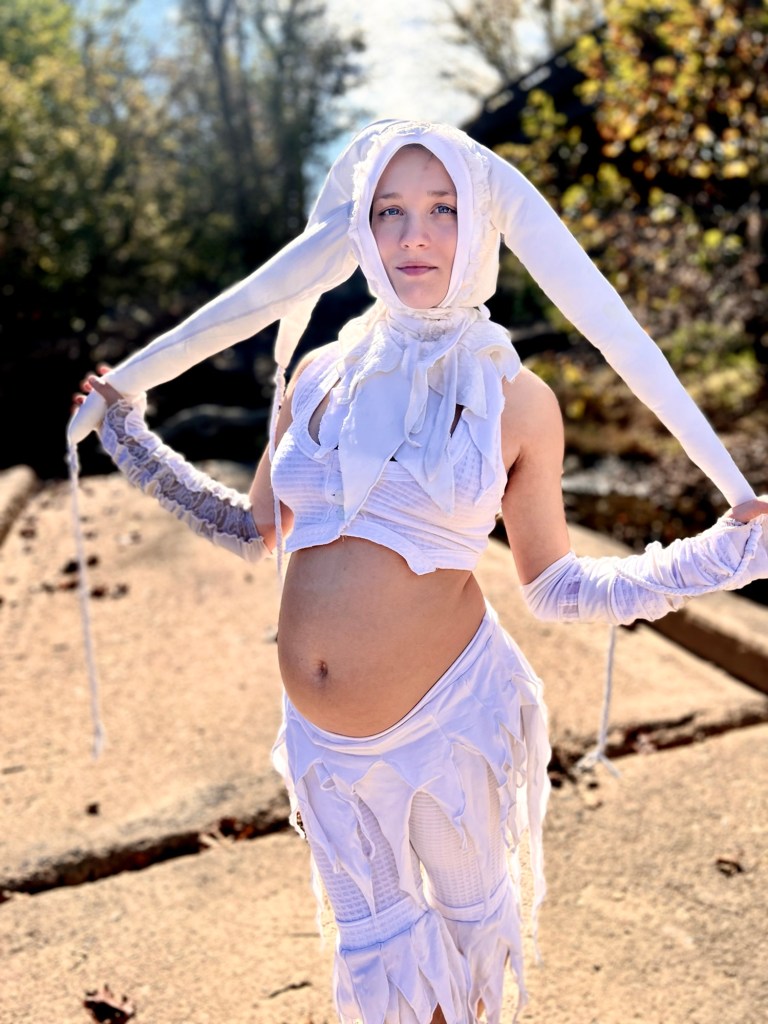
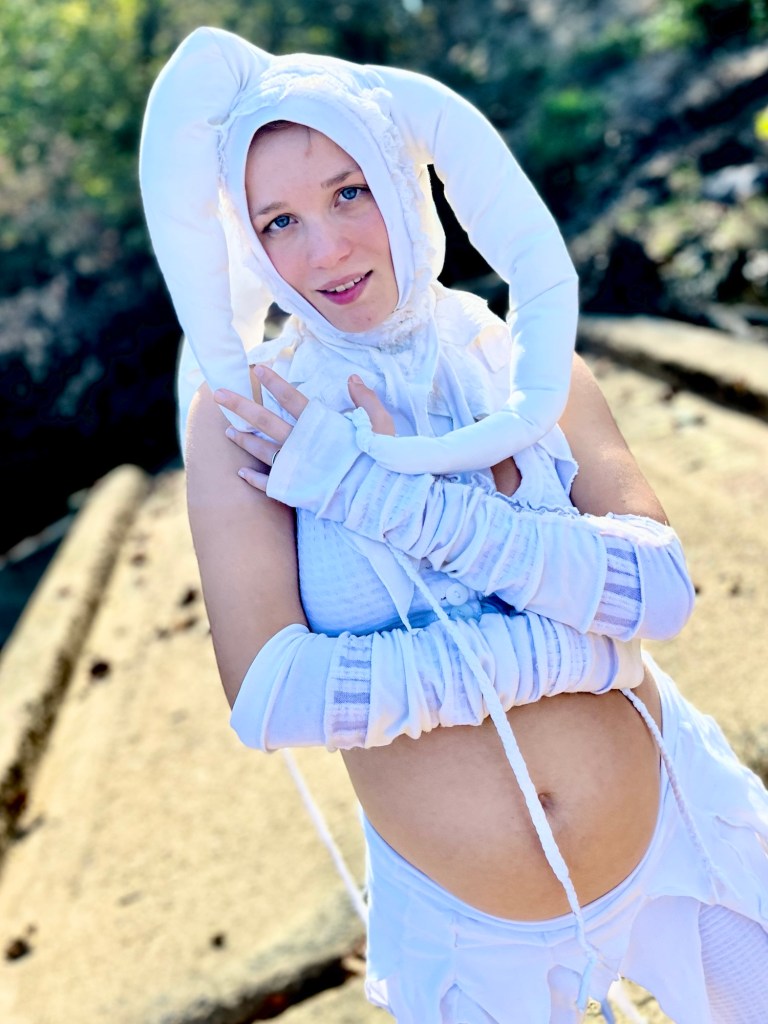
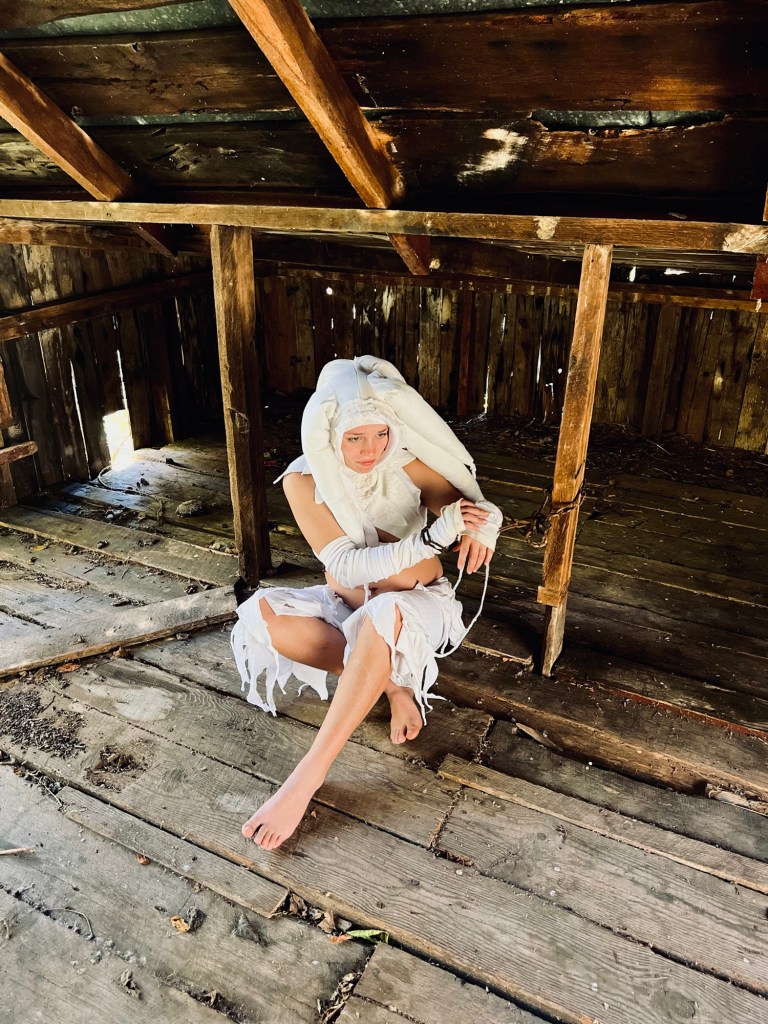
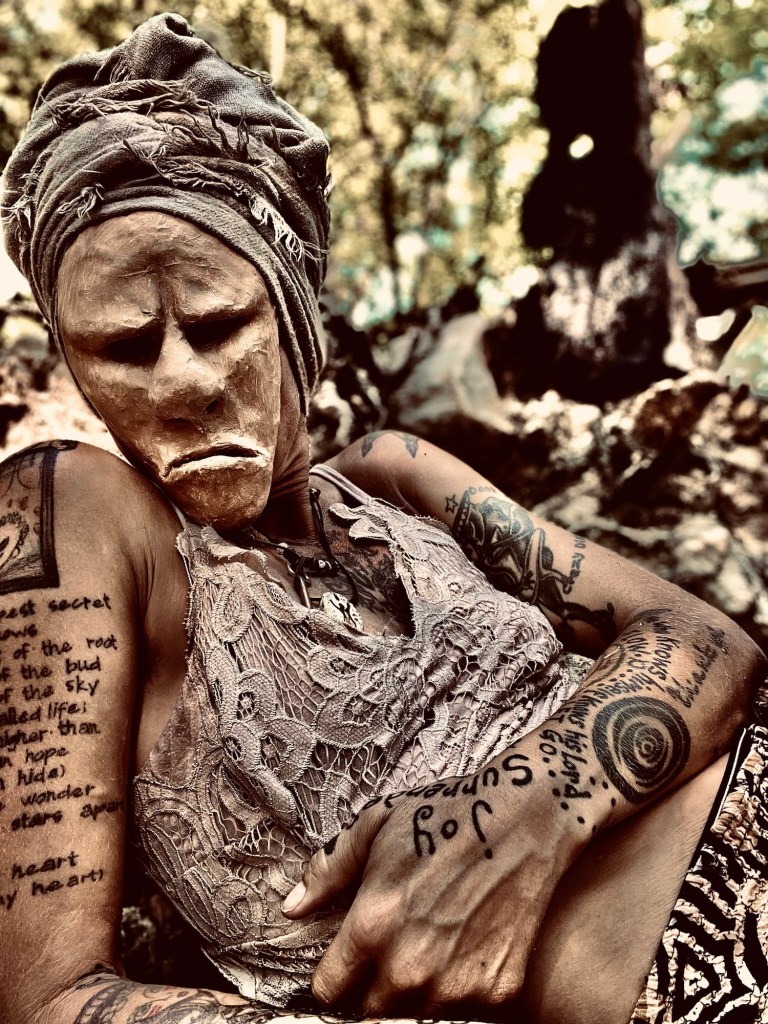
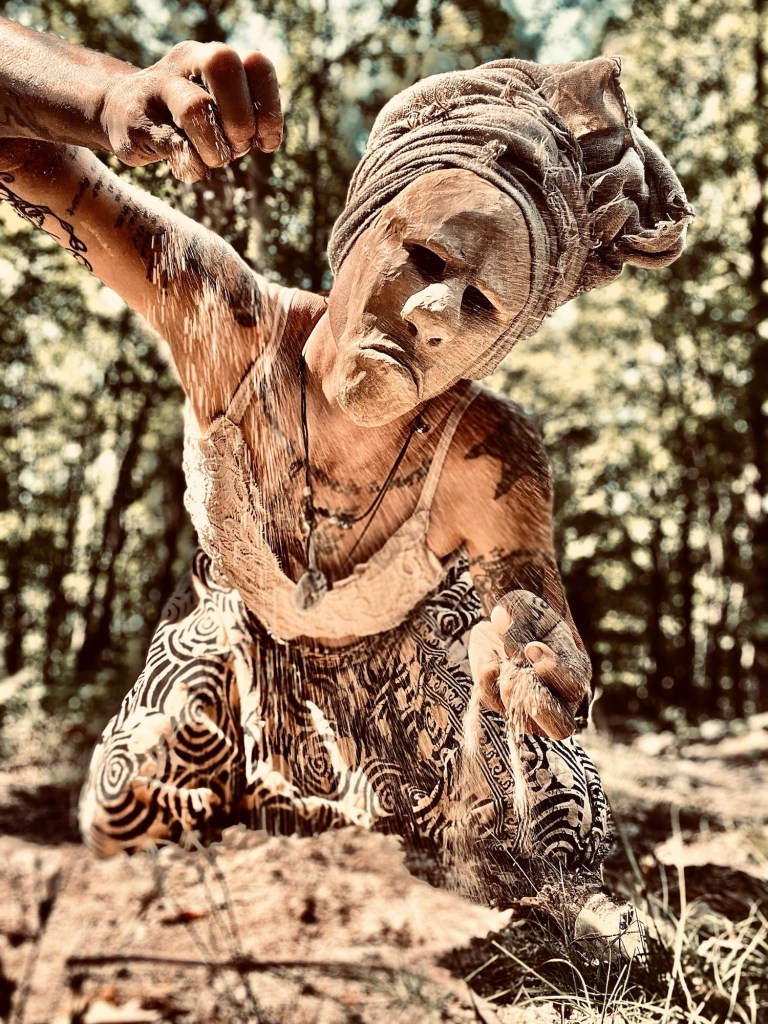
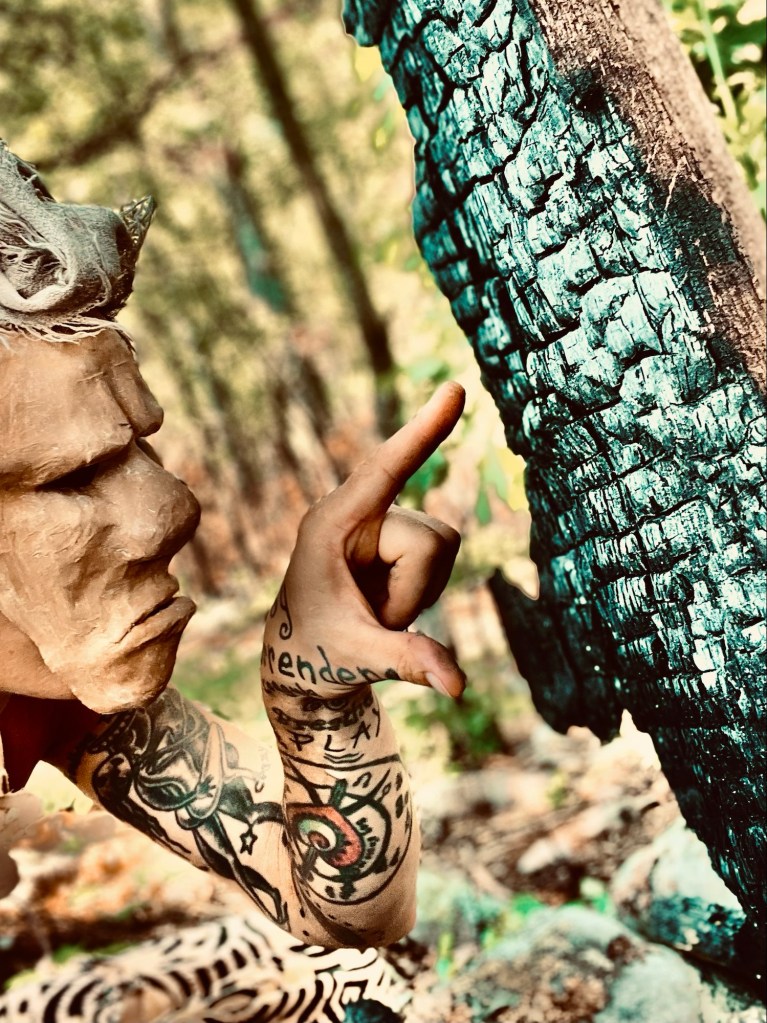
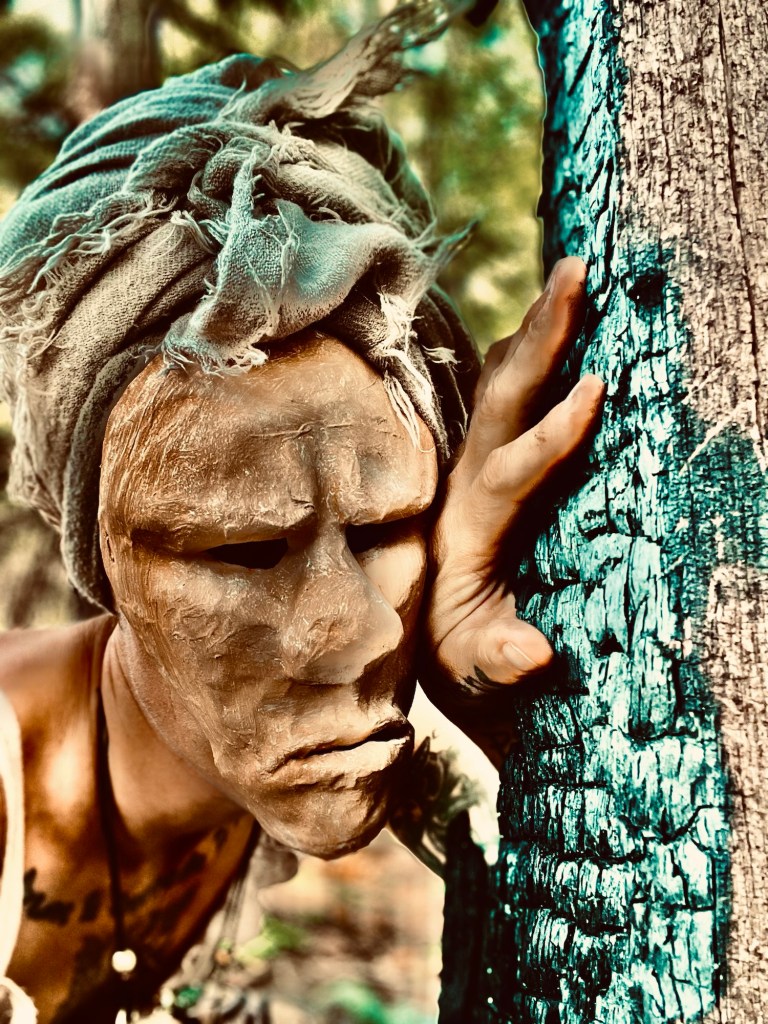
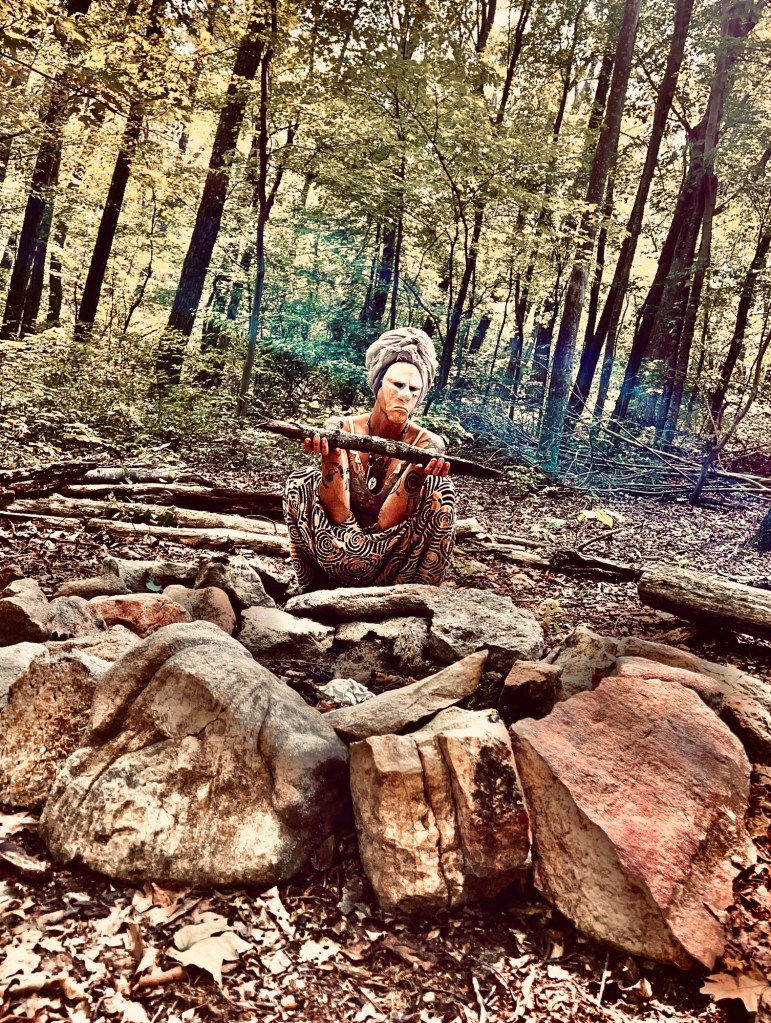
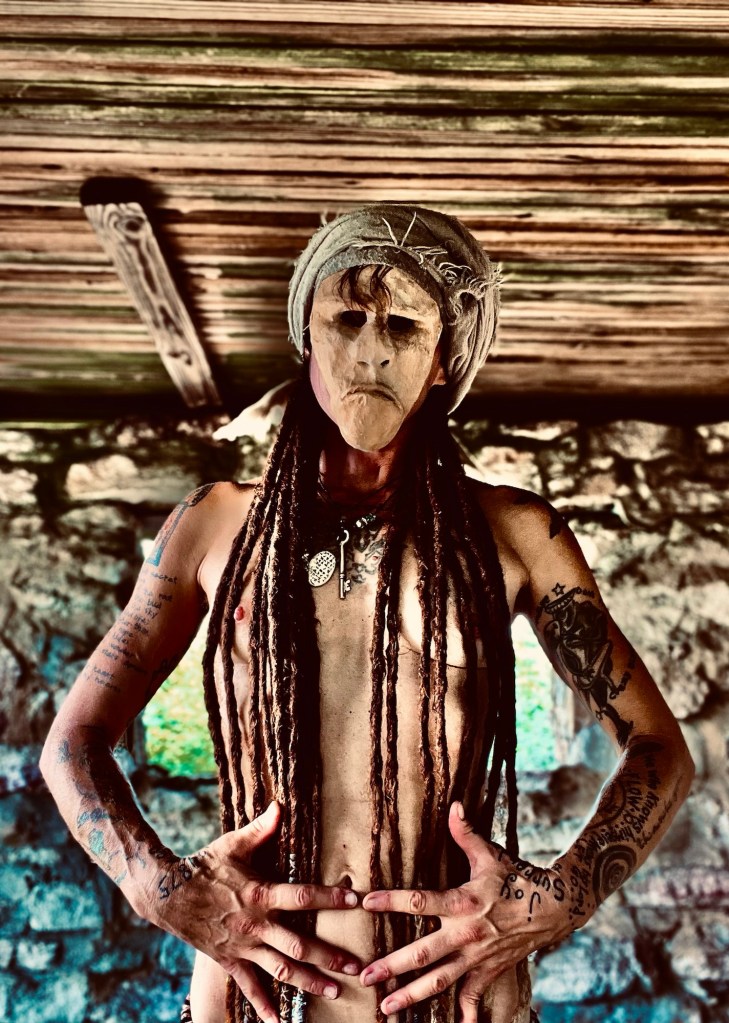
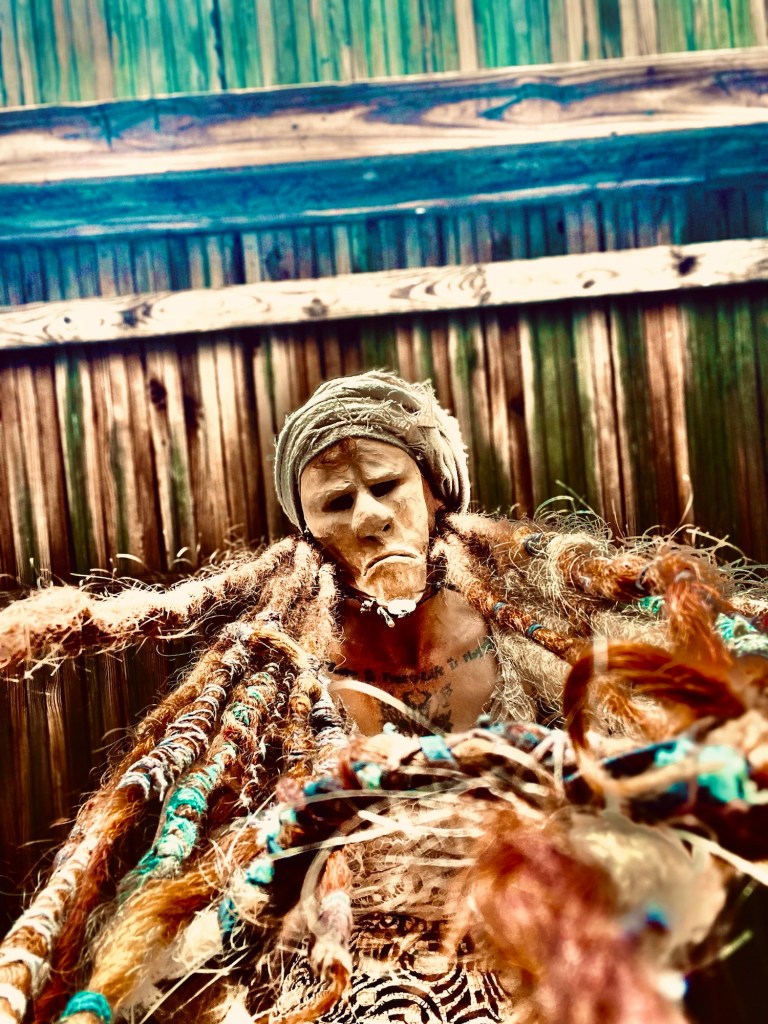
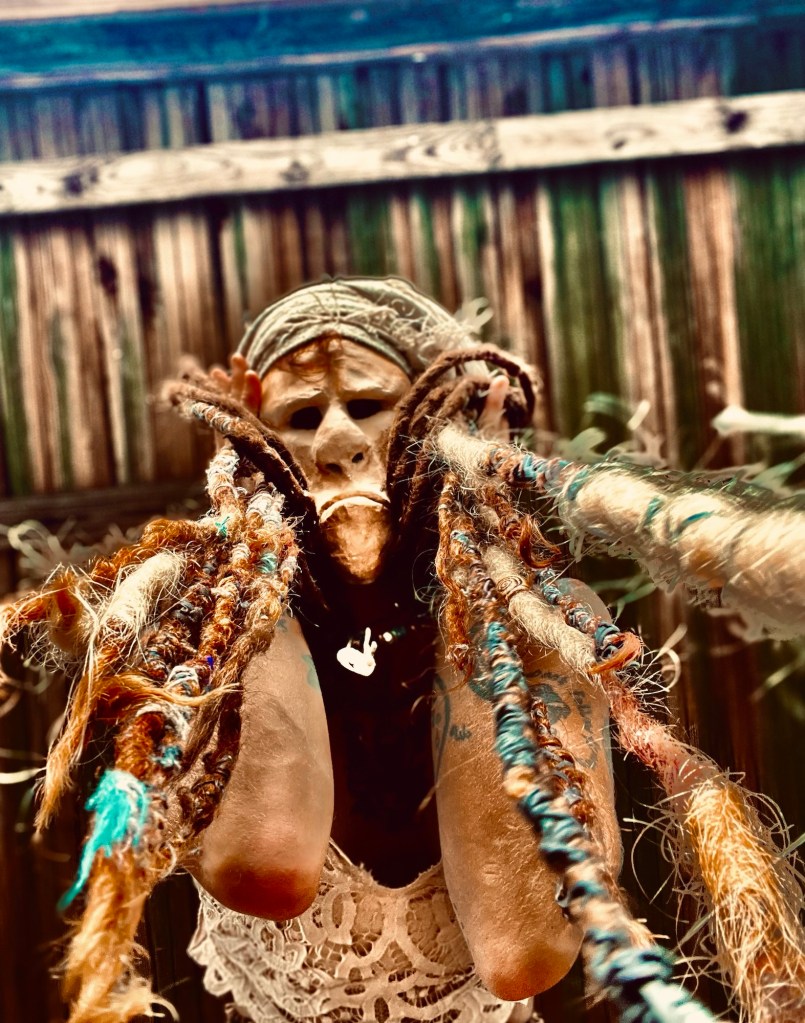
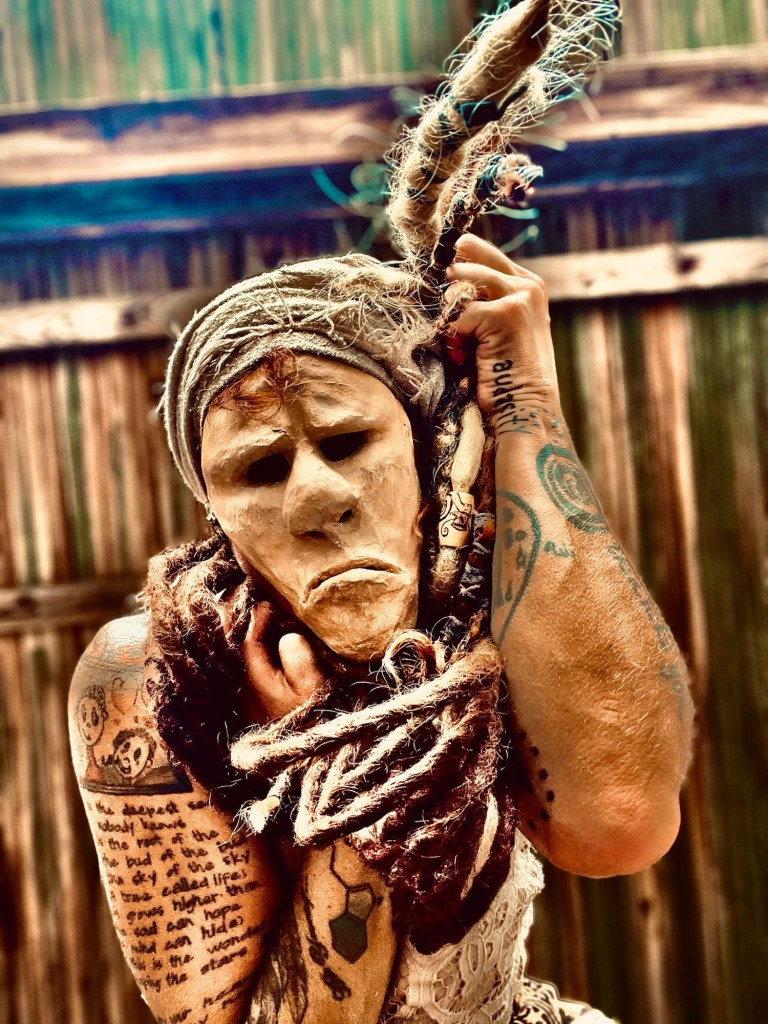
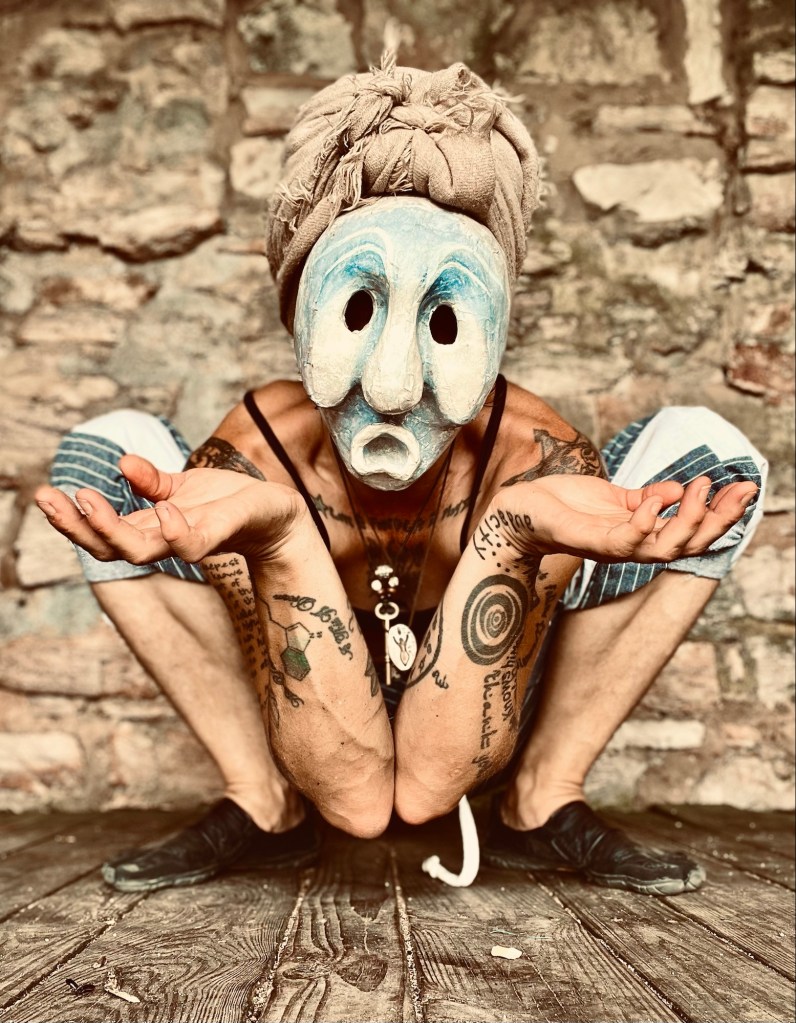
Reese Miller as the Kore , (or Jester Maiden) before being Taken by hades to the Underworld to become his Jester Queen
The Kore archetype, traditionally representing youthful innocence and potential in mythology and psychology, symbolizes much more than just the early stages of life. It is a powerful symbol of transformation, growth, and the cyclical nature of existence. The Kore, as a maiden figure often associated with goddesses like Persephone in Greek mythology, also carries deeper meanings about the illusions tied to youth, time, and identity. By examining the symbolism of the Kore, we can explore the larger themes of human experience—innocence, growth, and the journey from one phase of life to another. ~ Jenna LillaThe Kore is often depicted as a young maiden, symbolizing the freshness and purity of youth. This stage of life is marked by innocence, untested potential, and an open future. In mythology, the Kore is often paired with the figure of the mother, as seen in the myth of Demeter and Persephone. Kore, in this case, represents Persephone in her youthful form before her descent into the underworld, where she transforms into the queen of the dead. This dual role of the Kore—both innocent maiden and future queen—symbolizes the unfolding of life from youth to maturity. While the Kore is a symbol of growth and transformation, this very cycle also highlights the transitory nature of life. Youth, while often idealized as a time of beauty, vitality, and potential, is fleeting. The attachment to youth and the fear of aging reflect deeper psychological and spiritual challenges. Just as the Kore will eventually transform, we, too, are called to move beyond the illusions of youth and embrace the full journey of life. ~Jenna LillaThe Kore’s association with youth also raises questions about how we perceive time and change. The concept of youth, as something idealized or feared, is tied to the larger illusion of time itself. We often become attached to the idea of youth as a period of innocence and purity, but this attachment can lead to a sense of loss as we grow older. The fear of aging, or the desire to remain forever young, is an illusion created by the mind, which clings to temporary states of being. ~Jenna LillaIn reality, the essence of life is timeless and not bound by the cycles of youth and age. The Kore archetype reminds us that while we pass through different stages of life, these stages are just phases in a larger continuum. The true nature of our being—our consciousness or essence—remains unchanged, even as our bodies age and our experiences shift. The Kore, therefore, symbolizes the movement through these stages, but also serves as a reminder that beneath these changing forms, there is something timeless and unchanging.~Jenna LillaOne of the central themes of the Kore archetype is the journey from innocence to wisdom. In many myths, this journey involves a descent into the unknown, a confrontation with darker, more challenging forces. In the case of Persephone, her abduction by Hades and subsequent time spent in the underworld represent the loss of innocence and the gaining of wisdom. This is not just a story about personal growth but about the necessary transitions that all individuals must undergo to attain greater understanding. In this context, the Kore symbolizes the tension between innocence and experience, youth and maturity. While youth is often seen as a time of unblemished potential, true wisdom comes through the trials and challenges of life. However, both innocence and wisdom are part of the same journey. The duality between these states—between youth and age, innocence and wisdom—reflects the deeper truth that growth and transformation are part of the natural order of life. ~Jenna LillaThe Kore archetype also speaks to the cyclical nature of life, where birth, growth, decay, and renewal are intertwined. In many cultures, the Kore is connected to the cycles of the seasons, particularly in the myth of Persephone, whose descent and return from the underworld are linked to the changing of the seasons. Her time in the underworld represents winter and death, while her return to the surface symbolizes spring and rebirth. This cyclical pattern serves as a reminder that life is not linear but is made up of repeated cycles of growth and transformation. The Kore’s journey from maidenhood to queenhood, from innocence to wisdom, is not a one-time event but part of a continuous process of renewal. Just as nature moves through its seasons, so too do we pass through different phases of life, each phase offering its own lessons and opportunities for growth. ~Jenna LillaWhile the Kore represents the cycles of life, she also invites us to transcend the illusions of duality that often accompany these cycles. The distinction between youth and age, innocence and experience, can create a sense of separation, making us believe that these stages of life are opposites. However, the Kore archetype teaches that these are not separate states but are interconnected parts of a whole. ~Jenna LillaIn the myth of Persephone, her role as both Kore (the maiden) and queen of the underworld shows that youth and maturity are two sides of the same coin. The cycle of life encompasses both light and dark, innocence and wisdom. By embracing both aspects of ourselves—the youthful, innocent part and the mature, wise part—we can move beyond the illusions of duality and experience a more integrated, whole sense of self. ~Jenna LillaUltimately, the Kore archetype symbolizes the potential for growth, transformation, and renewal. She represents the beginning of a journey, but also the deeper truth that all stages of life are interconnected. The youthful innocence of the Kore is not something to cling to, but something to honor as part of the larger process of becoming. Her story is one of continuous transformation, reminding us that life is a series of cycles that lead us toward greater understanding and wisdom. ~Jenna LillaBy reflecting on the Kore, we are reminded that the passage of time, the movement from youth to age, is not something to fear but something to embrace. Each phase of life brings its own gifts, and by accepting the flow of time, we can experience life more fully. The Kore symbolizes the beauty of this unfolding journey, encouraging us to embrace both the innocence of youth and the wisdom that comes with experience. Jenna Lilla
🌟Rank asked why the artist so often avoids clinical neurosis when he is so much a candidate for it because of his vivid imagination, his openness to the finest and broadest aspects of experience, his isolation from the cultural world-view that satisfies everyone else. The answer is that he takes in the world, but instead of being oppressed by it he reworks it in his own personality and recreates it in the work of art. The neurotic is precisely the one who cannot create—the “artiste-manque,” as Rank so aptly called him. We might say that both the artist and the neurotic bite off more than they can chew, but the artist spews it back out again and chews it over in an objectified way, as an external, active, work project. The neurotic can’t marshal this creative response embodied in a specific work, and so he chokes on his introversions. The artist has similar large-scale introversions, but he uses them as material.🌟
:::🌟Ernest Becker, The Denial of Death
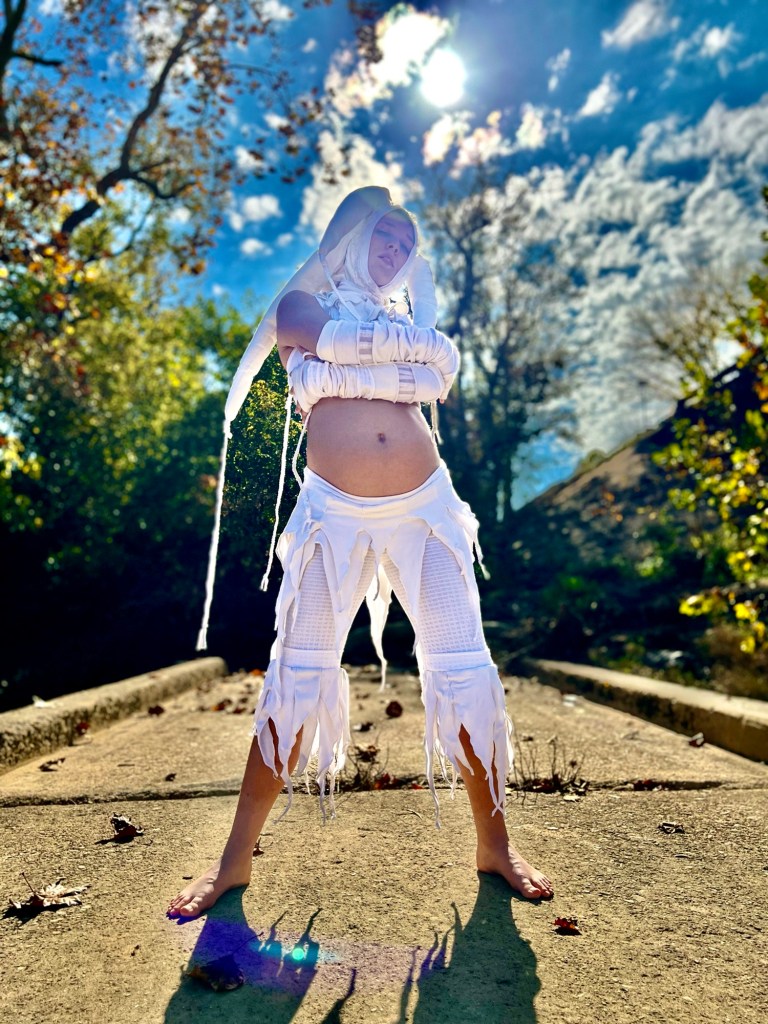
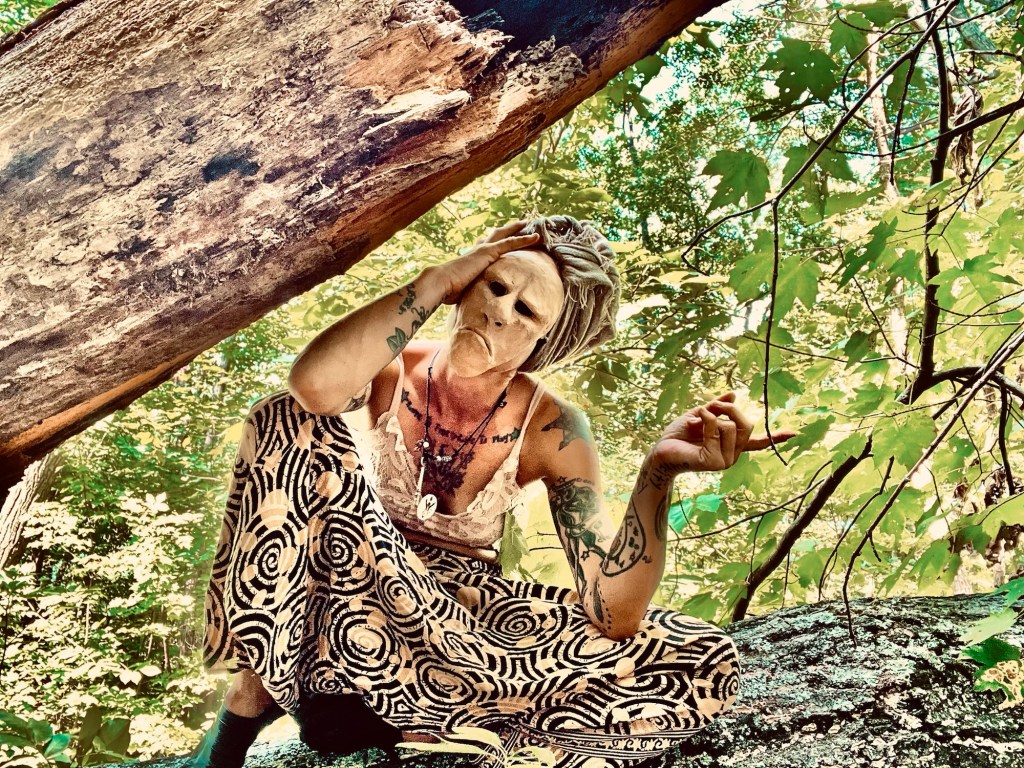
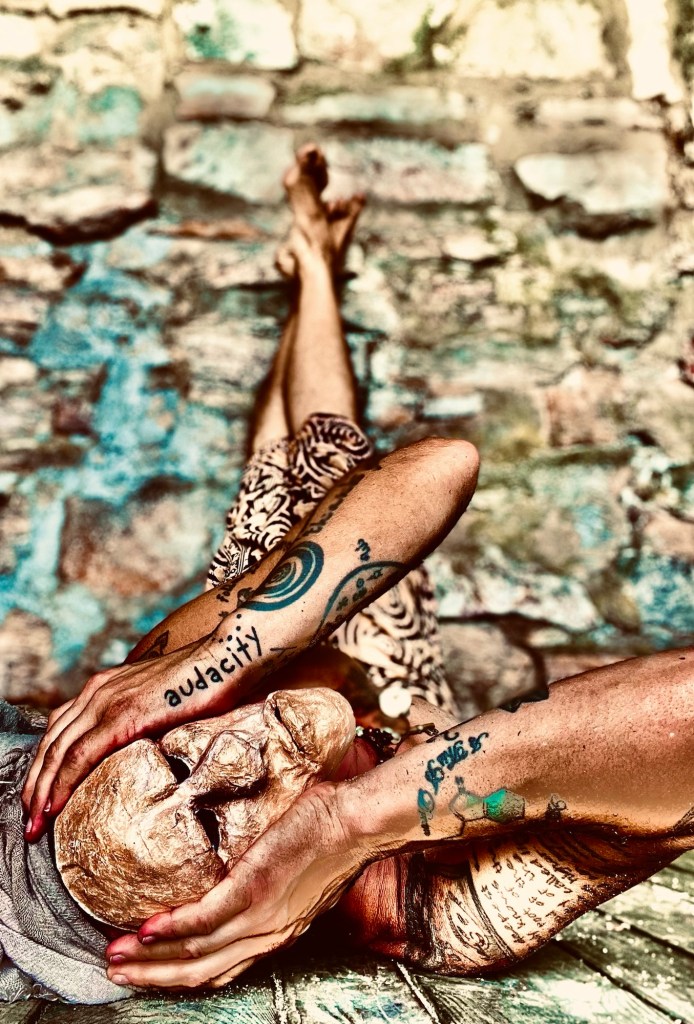
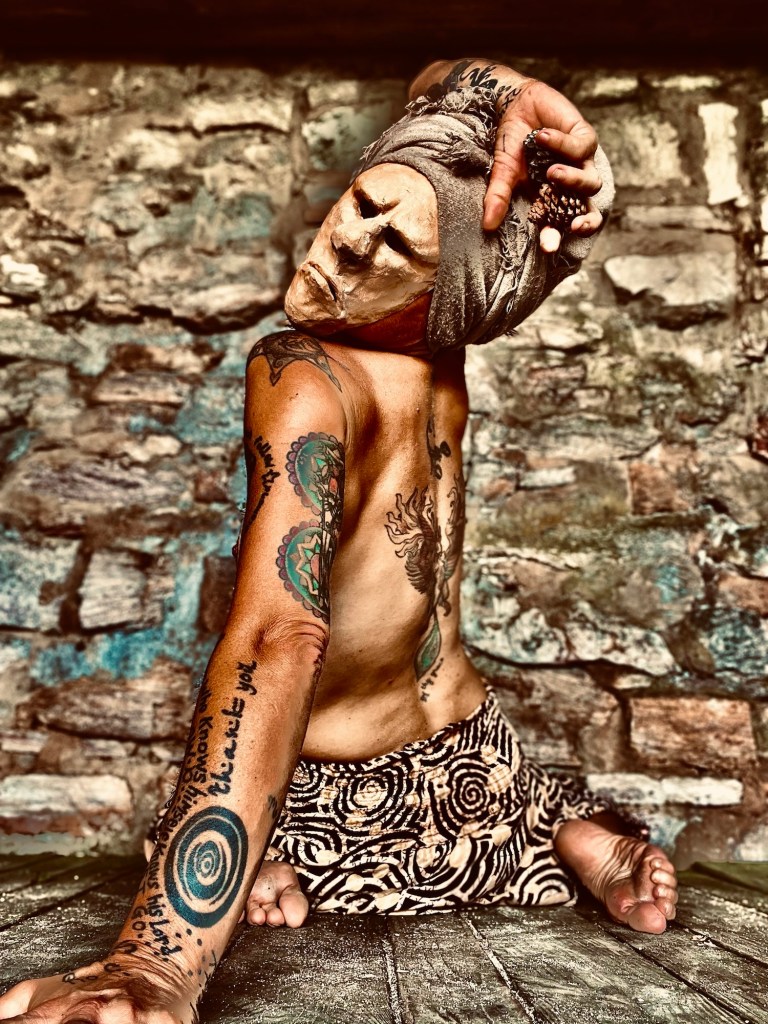
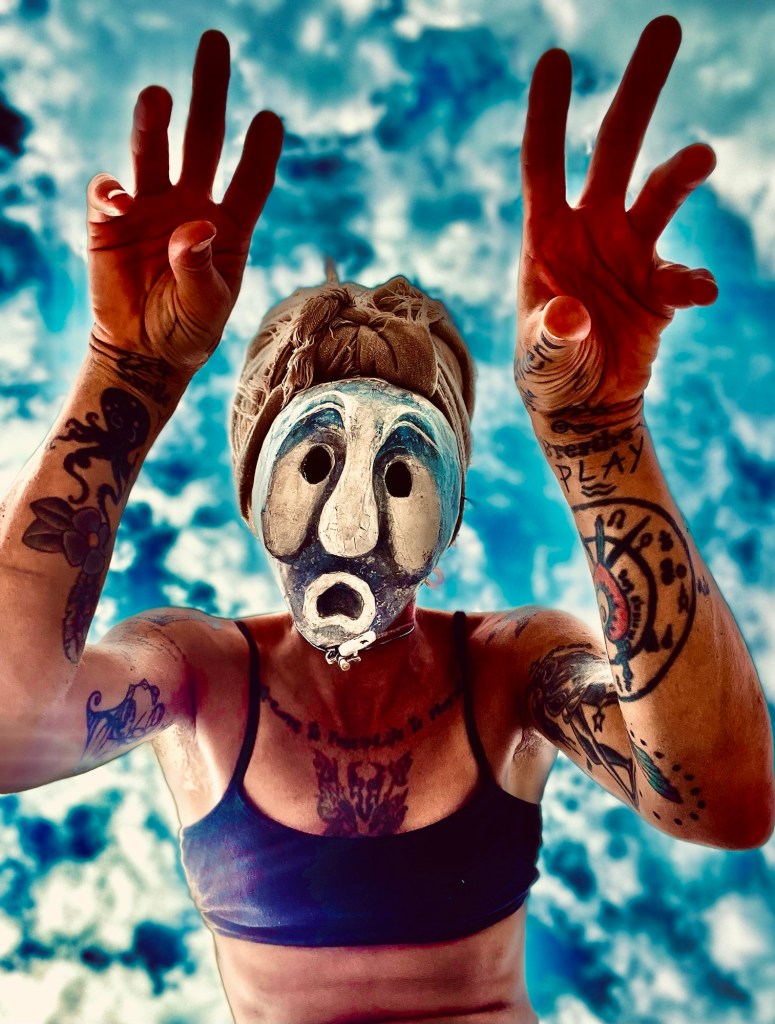
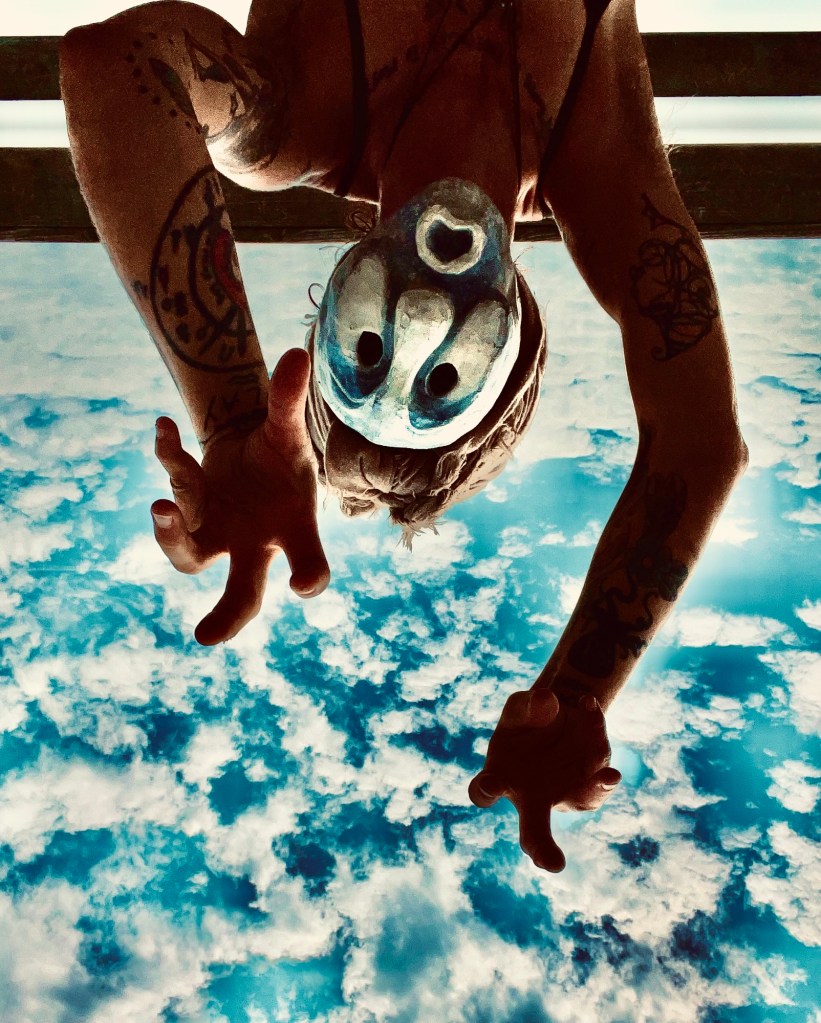
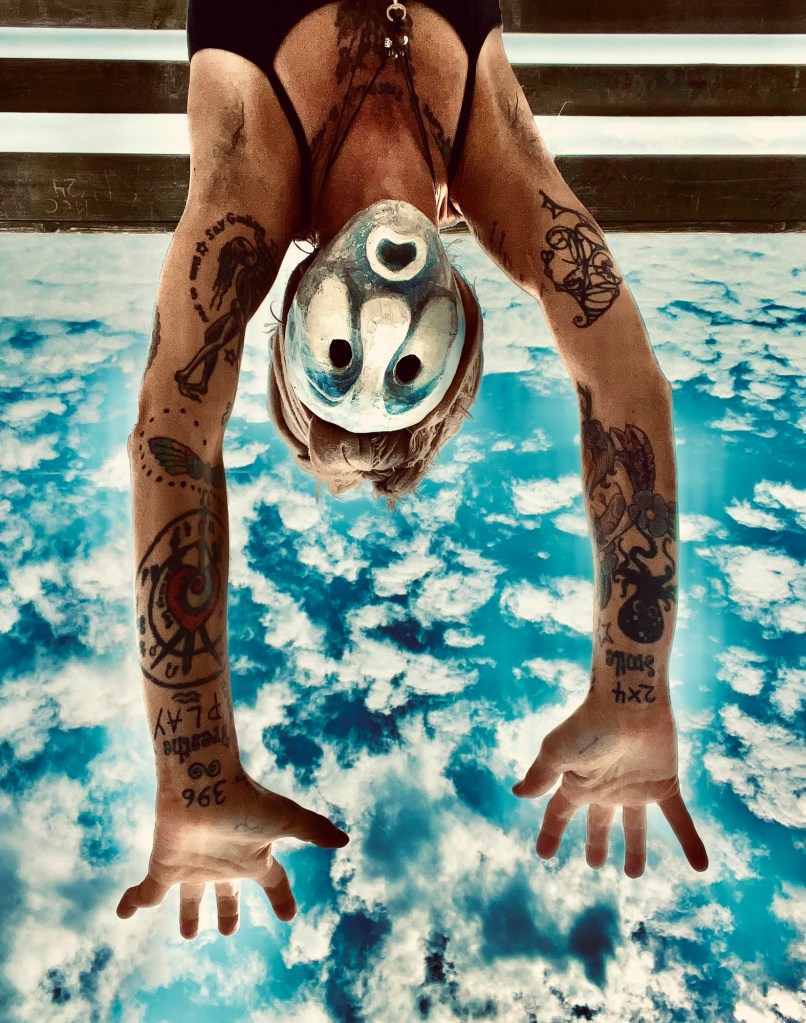
{Self Portrait Series 8-7-24 part 2}
The road to creativity passes so close to the madhouse and often detours or ends there. Ernest Becker, The Denial of DeathMan cannot endure his own littleness unless he can translate it into meaningfulness on the largest possible level.
Ernest Becker, The Denial of DeathThe irony of man’s condition is that the deepest need is to be free of the anxiety of death and annihilation; but it is life itself which awakens it, and so we must shrink from being fully alive.
Ernest Becker, The Denial of DeathThe neurotic exhausts himself not only in self-preoccupations like hypochondrial fears and all sorts of fantasies, but also in others: those around him on whom he is dependent become his therapeutic work project; he takes out his subjective problems on them. But people are not clay to be molded; they have needs and counter-wills of their own. The neurotic’s frustration as a failed artist can’t be remedied by anything but an objective creative work of his own. Another way of looking at it is to say that the more totally one takes in the world as a problem, the more inferior or “bad” one is going to feel inside oneself. He can try to work out this “badness” by striving for perfection, and then the neurotic symptom becomes his “creative” work; or he can try to make himself perfect by means his partner. But it is obvious to us that the only way to work on perfection is in the form of an objective work that is fully under your control and is perfectible in some real ways. Either you eat up yourself and others around you, trying for perfection; or you objectify that imperfection in a work, on which you then unleash your creative powers. In this sense, some kind of objective creativity is the only answer man has to the problem of life. In this way he satisfies nature, which asks that he live and act objectively as a vital animal plunging into the world; but he also satisfies his own distinctive human nature because he plunges in on his own symbolic terms and not as a reflex of the world as given to mere physical sense experience. He takes in the world, makes a total problem out of it, and then gives out a fashioned, human answer to that problem. This, as Goethe saw in Faust, is the highest that man can achieve.
Ernest Becker, The Denial of DeathIn Jung’s terms-that we noted previously-the work is the artist’s own transference projection, and he knows that consciously and critically. Whatever he does he is stuck with himself, can’t get securely outside and beyond himself. He is also stuck with the work of art itself. Like any material achievement it is visible, earthly, impermanent. No matter how great it is, it still pales in some ways next to the transcending majesty of nature; and so it is ambiguous, hardly a solid immortality symbol. In his greatest genius man is still mocked. No matter that historically art and psychosis have had such an intimate relationship, that the road to creativity passes so close to the madhouse and often detours or ends there. The artist and the madman are trapped by their own fabrications; they wallow in their own anality, in their protest that they really are something special in creation.
Ernest Becker, The Denial of DeathThe most that any one of us can seem to do is to fashion something–an object or ourselves–and drop it into the confusion, make an offering of it, so to speak, to the life force.
Ernest Becker, The Denial of DeathGuilt results from unused life, from the unlived in us.
Ernest Becker, The Denial of DeathAnd so we see the paradox that evolution has handed us. If man is the only animal whose consciousness of self gives him an unusual dignity in the animal kingdom, he also pays a tragic price for it. The fact that the child has to identify -first- means that his very first identity is a social product. His habitation of his own body is built from the outside in; not from the inside out. He doesn’t unfold into the world, the world unfolds into him. As the child responds to the vocal symbols learned from his object, he often gives the pathetic impression of being a true social puppet, jerked by alien symbols and sounds. What sensitive parent does not have his satisfaction tinged with sadness as the child repeats with such vital earnestness the little symbols that are taught him?
Ernest Becker, The Birth and Death of Meaning: An Interdisciplinary Perspective on the Problem of ManMan cuts out for himself a manageable world: he throws himself into action uncritically, unthinkingly. He accepts the cultural programming that turns his nose where he is supposed to look; he doesn’t bite the world off in one piece as a giant would, but in small manageable pieces, as a beaver does. He uses all kinds of techniques, which we call the “character defenses”: he learns not to expose himself, not to stand out; he learns to embed himself in other-power, both of concrete persons and of things and cultural commands; the result is that he comes to exist in the imagined infallibility of the world around him. He doesn’t have to have fears when his feet are solidly mired and his life mapped out in a ready-made maze. All he has to do is to plunge ahead in a compulsive style of drivenness in the “ways of the world.
Ernest Becker, The Denial of Death[Man] literally drives himself into a blind obliviousness with social games, psychological tricks, personal preoccupations so far removed from the reality of his situation that they are forms of madness, but madness all the same.
Ernest Becker, The Denial of DeathTo grow up at all is to conceal the mass of internal scar tissue that throbs in our dreams.
Ernest Becker, The Denial of DeathBy the time the child grows up, the inverted search for a personal existence through perversity gets set in an individual mold, and it becomes more secret. It has to be secret because the community won’t stand for the attempt by people to wholly individualize themselves. If there is going to be a victory over human incompleteness and limitation, it has to be a social project and not an individual one. Society wants to be the one to decide how people are to transcend death; it will tolerate the causa-sui project only if it fits into the standard social project. Otherwise there is the alarm of “Anarchy!” This is one of the reasons for bigotry and censorship of all kinds over personal morality: people fear that the standard morality will be undermined-another way of saying that they fear they will no longer be able to control life and death. A person is said to be “socialized” precisely when he accepts to “sublimate” the body-sexual character of his Oedipal project. Now these euphemisms mean usually that he accepts to work on becoming the father of himself by abandoning his own project and by giving it over to “The Fathers.” The castration complex has done its work, and one submits to “social reality”; he can now deflate his own desires and claims and can play it safe in the world of the powerful elders. He can even give his body over to the tribe, the state, the embracing magic umbrella of the elders and their symbols; that way it will no longer be a dangerous negation for him. But there is no real difference between a childish impossibility and an adult one; the only thing that the person achieves is a practiced self-deceit-what we call the “mature” character.
Ernest Becker, The Denial of DeathThe ironic thing about the narrowing-down of neurosis is that the person seeks to avoid death, but he does it by killing off so much of himself and so large a spectrum of his action-world that he is actually isolating and diminishing himself and becomes as though dead. There is just no way for the living creature to avoid life and death, and it is probably poetic justice that if he tries too hard to do so he destroys himself.
Ernest Becker, The Denial of DeathKierkegaard gives us some portrait sketches of the styles of denying possibility, or the lies of character-which is the same thing. He is intent on describing what we today call “inauthentic” men, men who avoid developing their own uniqueness; they follow out the styles of automatic and uncritical living in which they were conditioned as children. They are “inauthentic” in that they do not belong to themselves, are not “their own” person, do not act from their own center, do not see reality on its terms; they are the one-dimensional men totally immersed in the fictional games being played in their society, unable to transcend their social conditioning: the corporation men in the West, the bureaucrats in the East, the tribal men locked up in tradition-man everywhere who doesn’t understand what it means to think for himself and who, if he did, would shrink back at the idea of such audacity and exposure.
Ernest Becker, The Denial of DeathAnthropologists have long known that when a tribe of people lose their feeling that their way of life is worth-while they may stop reproducing, or in large numbers simply lie down and die beside streams full of fish: food is not the primary nourishment of man.
Ernest Becker, The Birth and Death of Meaning: An Interdisciplinary Perspective on the Problem of ManBeyond a given point man is not helped by more “knowing,” but only by living and doing in a partly self-forgetful way. As Goethe put it, we must plunge into experience and then reflect on the meaning of it. All reflection and no plunging drives us mad; all plunging and no reflection, and we are brutes.
Ernest Becker, The Denial of DeathTake stock of those around you and you will … hear them talk in precise terms about themselves and their surroundings, which would seem to point to them having ideas on the matter. But start to analyse those ideas and you will find that they hardly reflect in any way the reality to which they appear to refer, and if you go deeper you will discover that there is not even an attempt to adjust the ideas to this reality. Quite the contrary: through these notions the individual is trying to cut off any personal vision of reality, of his own very life. For life is at the start a chaos in which one is lost. The individual suspects this, but he is frightened at finding himself face to face with this terrible reality, and tries to cover it over with a curtain of fantasy, where everything is clear. It does not worry him that his “ideas” are not true, he uses them as trenches for the defense of his existence, as scarecrows to frighten away reality.
Ernest Becker, The Denial of DeathThe man of knowledge in our time is bowed down under a burden he never imagined he would ever have: the overproduction of truth that cannot be consumed.
Ernest Becker, The Denial of DeathThere is no doubt that creative work is itself done under a compulsion often indistinguishable from a purely clinical obsession. In this sense, what we call a creative gift is merely the social license to be obsessed. And what we call “cultural routine” is a similar license: the proletariat demands the obsession of work in order to keep from going crazy. I used to wonder how people could stand the really demonic activity of working behind those hellish ranges in hotel kitchens, the frantic whirl of waiting on a dozen tables at one time, the madness of the travel agent’s office at the height of the tourist season, or the torture of working with a jack-hammer all day on a hot summer street. The answer is so simple that it eludes us: the craziness of these activities is exactly that of the human condition. They are “right” for us because the alternative is natural desperation. The daily madness of these jobs is a repeated vaccination against the madness of the asylum. Look at the joy and eagerness with which workers return from vacation to their compulsive routines. They plunge into their work with equanimity and lightheartedness because it drowns out something more ominous.
Ernest Becker, The Denial of DeathIn other words, as long as man is an ambiguous creature he can never banish anxiety; what he can do instead is to use anxiety as an eternal spring for growth into new dimensions of thought and trust. Faith poses a new life task, the adventure in openness to a multi-dimensional reality.
Ernest Becker, The Denial of DeathPeople create the reality they need in order to discover themselves.
Ernest Becker, The Denial of DeathThe “healthy” person, the true individual, the self-realized soul, the “real” man, is the one who has transcended himself.
Ernest Becker, The Denial of DeathThe great boon of repression is that it makes it possible to live decisively in an overwhelmingly miraculous and incomprehensible world, a world so full of beauty, majesty, and terror that if animals perceived it all they would be paralyzed to act. … What would the average man (sic) do with a full consciousness of absurdity? He has fashioned his character for the precise purpose of putting it between himself and the facts of life; it is his special tour-de-force that allows him to ignore incongruities, to nourish himself on impossibilities, to thrive on blindness. He accomplishes thereby a peculiarly human victory: the ability to be smug about terror.
Ernest Becker, The Denial of DeathTake the average man who has to stage in his own way the life drama of his own worth and significance. As a youth he, like everyone else, feels that deep down he has a special talent, an indefinable but real something to contribute to the richness and success of life in the universe. But, like almost everyone else, he doesn’t seem to hit on the unfolding of this special something; his life takes on the character of a series of accidents and encounters that carry him along, willy-nilly, into new experiences and responsibilities. Career, marriage, family, approaching old age – all these happen to him, he doesn’t command them. Instead of his staging the drama of his own significance, he himself is staged, programmed by the standard scenario laid down by his society.
Ernest Becker, Angel in Armor: A Post-Freudian Perspective on the Nature of ManSecrets and silences make life more real: the individual, self-absorbed and inwardly musing, taking himself very seriously, radiates a contagious aura: the tacit communication that the serious and the meaningful exist.
Ernest Becker, The Birth and Death of Meaning: An Interdisciplinary Perspective on the Problem of ManKierkegaard put it this way: But while one sort of despair plunges wildly into the infinite and loses itself, a second sort permits itself as it were to be defrauded by “the others.” By seeing the multitude of men about it, by getting engaged in all sorts of wordly affairs, by becoming wise about how things go in this world, such a man forgets himself… does not dare to believe in himself, finds it too venturesome a thing to be himself, far easier and safer to be like the others, to become an imitation, a number, a cipher in the crowd.
Ernest Becker, The Denial of DeathWe fear our highest possibility (as well as our lowest ones). We are generally afraid to become that which we can glimpse in our most perfect moments…. We enjoy and even thrill to the godlike possibilities we see in ourselves in such peak moments. And yet we simultaneously shiver with weakness, awe and fear before these very same possibilities.
🌟🌟🌟 “Creativity is divine! To me it is the virgin soul opening to spirit and creating the divine child. You cannot live without it. That’s the meaning of life, that creative fire………::”
“::….. My soul is fed. I see, I smell, I taste, I hear, I touch. Through the orifices of my body, I give and I receive. I am not trying to capture what is absent. It’s that interchange between the embodied soul and the outside world that is the dynamic process. That’s how growth takes place. That is life.”🌟🌟🌟
Marion Woodman
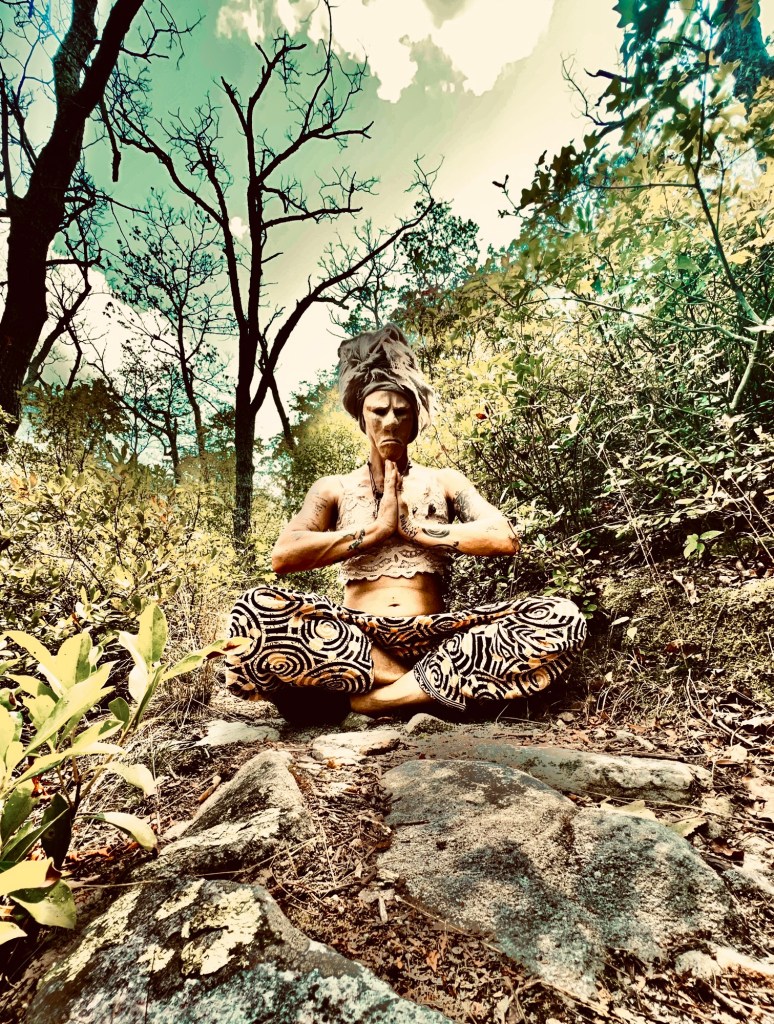
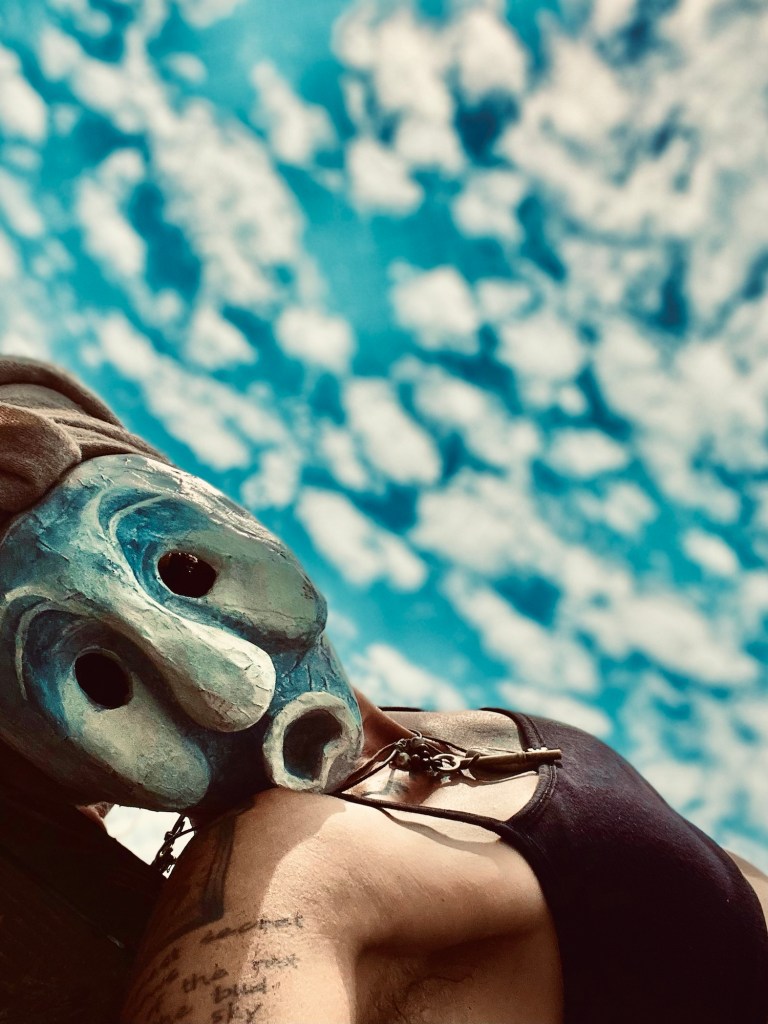
{self Portrait series at Kennedy peak 8-6-24}
This is your body, your greatest gift, pregnant with wisdom you do not hear, grief you thought was forgotten, and joy you have never known. Marion WoodmanTo me, real love, the move from power to love, involves immense suffering. Any creative work comes from that level, where we share our sufferings, just the sheer suffering of being human. And that’s where the real love is. Marion WoodmanWhen the power comes from within us and we claim it as our own, then we no longer have to affirm ourselves by dominating others. The irony is that we are actually afraid of our own power.
Marion Woodman, Dancing in the Flames: The Dark Goddess in the Transformation of ConsciousnessOnly by discovering and loving the goddess lost within our rejected body can we hear our own authentic voice.
Marion Woodman, Coming Home to Myself: Reflections for Nurturing a Woman’s Body and SoulI yearned for lightness; I still yearn for lightness. Lightness is freedom — freedom from the heaviness of too much stuff, too many words, too heavy a pull toward inertia. I feared being buried in stone — becoming stone.
Marion Woodman, Bone: Dying into LifeKill the imagination and you kill the soul. Kill the soul and you’re left with a listless, apathetic creature who can become hopeless or brutal or both.
Marion Woodman, Bone: Dying into LifeIn our yearning to be perfect, we have mistaken perfection for wholeness. We think we cannot love ourselves until we and others meet some external standard. Depression, anxiety—in fact, most neuroses and compulsions—are ultimately a defense against loving ourselves without condition. We are afraid to look at the damp, dark, ugly yet exquisite roots of being that stretch deep into our survival chakra. We are fearful of finding that the spirit is not there, that our Home is empty, even as our outer home is empty. Yet it is in that place of survival, where the dark mother has been abandoned, that spirit longs to be embodied so that the whole body may become light. Ego wants to be the god of our own idealized projection; spirit wants to be incarnated in our humanity where it can grow in wisdom through experience.
Marion Woodman, Dancing in the Flames: The Dark Goddess in the Transformation of ConsciousnessThe Goddess is the unspeakable wisdom that grows into the very cells of the body. She lives with this sacramental truth at her center: the beauty and the horror of the whole of life are blazing in Her love. She is dancing in the flames.
Marion Woodman, Dancing in the Flames: The Dark Goddess in the Transformation of ConsciousnessIn the story of Persephone and Hades there is a child. Hades abducts Persephone and takes her into the Underworld, where in some versions of the myth she has a child. In many of the myths, Leda and the swan, Danae and the shower of gold, for example, the human woman is impregnated by the god. In other words, matter is penetrated by spirit and the child of the union of matter and spirit is the divine child.
Marion WoodmanYou think of yourself — light, fast, free — free of earth, free of bondage to your body. In your ‘perfect’ body, you are in control, addicted to the light that keeps you out of body. You’re a swan maiden, addicted to wings, addicted to spirit. You refused to eat in order to fly.
Marion Woodman, Bone: Dying into LifeThe solid line throughout was my trying to make space to fly and forever smashing my wings against the bars of the cage. Granted, the cage grew bigger and very big, but I was always beyond the collective in my soul and always cut back by the collective in my body.
Marion Woodman, Bone: Dying into LifeThe word ‘feminine,’ as I understand it, has very little to do with gender, nor is woman the custodian of femininity. Both men and women are searching for their pregnant virgin. She is the part of us who is outcast, the part who comes to consciousness through going into darkness, mining our leaden darkness, until we bring her silver out.
Marion Woodman, The Pregnant Virgin: A Process of Psychological TransformationWhy put them through the danger of the fire? And then, I heard, as though it spoke, the voice of the guardian-head: “Each piece must go through the fire. The cowl, the wings, the pneuma, the source, the flow. All must go the way that I have gone. Each may crack in the process, as I have cracked. But look, the crack has healed. I did not break. Without the fire, the piece is untested, unlived, raw. Each must go through the fire.
Marion Woodman, Leaving My Father’s House: A Journey to Conscious FemininityKundalini power, the symbol of raising the energy coiled at the base of the spine upward through the chakras, is called by Sri Chinmoy, ‘the power of the Supreme Goddess.’ Repressed or coiled in a circle, she can be poisonous both to the body and the psyche, but once risen and standing upright, she is beneficent. The power of the serpent, rightly understood, is one of the ways the Goddess overcomes duality.
Marion Woodman, Dancing in the Flames: The Dark Goddess in the Transformation of ConsciousnessSo long as she is obedient to a mother—actual or internal—who unconsciously wishes to annihilate her, she is in a state of possession by the witch; she will have to differentiate herself out from that witch in order to live her own life.
Marion Woodman, Addiction to Perfection: The Still Unravished Bride: A Psychological StudyThe way to healing an addiction lies in finding a connection between body and soul.
Marion Woodman, Coming Home to Myself: Reflections for Nurturing a Woman’s Body and SoulIf we are blindly living out an archetype, we are not containing our own life. We are possessed, and possession acts as a magnet on unconscious people in our environment. A life that is being truly lived is constantly burning away the veils of illusion, gradually revealing the essence of the individual.
Marion Woodman, The Pregnant Virgin: A Process of Psychological TransformationMany people are being dragged toward wholeness in their daily lives, but because they do not understand initiation rites, they cannot make sense of what is happening to them. They are being presented with the possibility of rebirth into a different life. Through failures, symptoms, inferiority feelings and overwhelming problems, they are being prodded to renounce life attachments that have become redundant. The possibility of rebirth constellates with the breakdown of what has gone before. But because they do not understand, people cling to the familiar, refuse to make the necessary sacrifices, resist their own growth. Unable to give up their habitual lives, they are unable to receive new life. Unless cultural rituals support the leap from one level of consciousness to another, there are no containing walls within which the process can happen. Without an understanding of myth or religion, without an understanding of the relationship between destruction and creation, death and rebirth, the individual suffers the mysteries of life as meaningless mayhem—alone.
Marion Woodman, The Pregnant Virgin: A Process of Psychological TransformationWhat I learned is the difference between of destiny and fate. We are all fated to die. Destiny is recognizing the radiance of the soul that, even when faced with human impossibility, loves all of life. Fate is the death we owe to Nature. Destiny is the life we own to soul.
Marion Woodman, Bone: Dying into LifeLinearity does not come naturally to me. It kills my imagination. Nothing happens. No bell rings. No moment of here and now. No moment that says yes. Without these, I am not alive. I prefer the pleasure of the journey through the spiral. Relax. Enjoy the spiral. If you miss something on the first round, don’t worry. You might pick it up on the second—or third—or ninth. It doesn’t matter. Relax. Timing is everything. If the bell does ring, it will resonate through all the rungs of your spiral. If it doesn’t ring, it is the wrong spiral— or the wrong time— or there is no bell.
Marion Woodman, Coming Home to Myself: Reflections for Nurturing a Woman’s Body and SoulA free woman has a strong neck—an open connection between heart and head, a balance between reality and ideals. To fall into the complex is to damn herself for her imperfections; to accept the attitude of the virgin is to accept her human life and open herself to her own truth.
Marion WoodmanWithout embodied soul, spirit cannot manifest through human feeling.
Marion Woodman, The Ravaged Bridegroom: Masculinity in WomenWhether we like it or not, one of our tasks on this earth is to work with the opposites through different levels of consciousness until body, soul and spirit resonate together. Initiation rites, experienced at the appropriate times in our lives, burn off what is no longer relevant, opening our eyes to new possibilities of our own uniqueness. They tear off the protective veils of illusion until at last we are strong enough to stand in our own naked truth.
Marion Woodman, The Pregnant Virgin: A Process of Psychological TransformationA woman must be able to stand in the face of power, because ultimately some part of that power will become hers.
Clarissa Pinkola Estés, Women Who Run With the WolvesThis is your body, your greatest gift, pregnant with wisdom you do not hear, grief you thought was forgotten, and joy you have never known.
Marion WoodmanSo long as consciousness is enslaved by the darkness of unconsciousness, we blindly live out these handicaps in our lives, projecting them onto our men or choosing defeated men as an image of our own defeat. The flames of our fear, grief and rage burn without light. Without realizing what we are doing, we can allow consciousness to fall into the service of darkness. If, on the other hand, we are conscious of the darkness, that very consciousness is the light that illumines the darkness. This is the journey into mature consciousness, with arms and legs, heart and genitals, strong enough to bear the lights.
Marion Woodman, The Ravaged Bridegroom: Masculinity in WomenLiving by principles is not living your own life. It is easier to try to be better than you are than to be who you are.
Marion Woodman, Addiction to Perfection: The Still Unravished Bride:William Blake says the body is ‘that portion of soul discerned by the five senses.
Marion Woodman, Conscious Femininity: Interviews With Marion WoodmanLove is the real power. It’s the energy that cherishes. The more you work with that energy, the more you will see how people respond naturally to it, and the more you will want to use it. It brings out your creativity, and helps everyone around you flower. Your children, the people you work with–everyone blooms.
Marion WoodmanThe Crone has been missing from our culture for so long that many women, particularly young girls, know nothing of her tutelage. Young girls in our society are not initiated by older women into womanhood with its accompanying dignity and power. Without the Crone, the task of belonging to oneself, of being a whole person, is virtually impossible.
Marion Woodman, Dancing in the Flames: The Dark Goddess in the Transformation of ConsciousnessWomen are, by nature, disposed to relationship and connectedness; yet true relationship cannot be embraced until a woman as a deep sense of her at-one-ment. Without this essential independence from all roles and bonds, she is a potential victim for servitude.
Marion Woodman, Dancing in the Flames: The Dark Goddess in the Transformation of ConsciousnessShe dreams she is in a glass coffin. From her prison, details have beauty. In her aloneness, she imagines emotions. Her husband is the perfect bridegroom, the trickster, the small boy looking for mother. She is goddess and mirror, siren and friend, femme fatale and sacrificing wife. He is attracted to her girlhood purity, her desire to sacrifice, to serve. At first he may be flattered: she sees him as a god.
Marion Woodman, Coming Home to Myself: Reflections for Nurturing a Woman’s Body & SoulSince she has not been present in the culture, she has not been readily accessible to the conscious awareness of modern women. Without her, even the dynamic symbols of Virgin and Mother are distorted. The Crone is a woman is that part of her psyche that is not identified with any relationship nor confined by any bond. She infuses an intrinsic sense of self-worth, of autonomy, into the role of virgin and mother, and gives the woman strength to stand to her own creative experience.
Marion Woodman, Dancing in the Flames: The Dark Goddess in the Transformation of ConsciousnessCan I really believe I am worth an hour a day? Am I, who have given my life to others, selfish enough to take one hour a day to find myself?
Marion Woodman, Coming Home to Myself: Reflections for Nurturing a Woman’s Body & SoulChange means change. We may have all the insights, but if we do not incarnate them, they are all in vain.
Marion Woodman, Dancing in the Flames: The Dark Goddess in the Transformation of ConsciousnessWe know we can change ourselves when we realize that we are not dependent on how we feel, nor on how others feel about us, nor on what the situation is around us. The values we hold, the choices we make within ourselves and for iourselves remain our prerogative. In most situations, if we begin to change, to do our own inner work, to accept our own darkness and work toward consciousness, the situation will change. We will begin to emanate a different energy, one that exudes a sense of autonomy and authenticity.
Marion Woodman, Dancing in the Flames: The Dark Goddess in the Transformation of ConsciousnessIt takes great courage to break with one’s past history and stand alone
Marion WoodmanOnce the purging has taken place, the woman often dreams of a black goddess who becomes her bridge between spirit and body. As one aspect of Sophia, such an image can open her to the mystery of life being enacted in her own body. Her “mysterious and exotic darkness” inspires a particular depth of wonderment and love. For a woman without a positive mother, this “dark” side of the Virgin can bring freedom, the security of freedom, because she is a natural home for the rejected child. The child born from the rejected side of the mother can bring her own rebel to rest in the outcast state of Mary. In loving the abandoned child within herself, a woman becomes pregnant with herself. The child her mother did not nourish, she will now nourish, not as the pure white biblical Virgin who knew no Joseph, but as the dark Montserrat Virgin who presides over “marriage and sex, pregnancy and childbirth.” The Black Madonna is nature impregnated by spirit, accepting the human body as the chalice of the spirit. She is the redemption of matter, the intersection of sexuality and spirituality.
Marion WoodmanWe are all unconsciously bound to the wheel of fortune. It goes round and round and we go blindly around on it until one day something happens that wakes us up, face to face with ourselves. What for years we could not or would not see is made visible. The unconscious is made answerable to consciousness. The Self demands a reckoning: the ego must recognize what it has long feared and rejected. Whether we grow or wither in that encounter depends on whether we cling to our ego’s rigid standpoint or whether we choose to trust the Self and leap into the unknown.
Marion Woodman, The Ravaged Bridegroom: Masculinity in Women
A witch I am not, nor sorceress, nor Magician manipulating thought and mind No wizard am I, nor priest divine, nor Queen in the temple of space and time… Instead, in red, and black and white A jester playing with alchemical sight A fool whose tools are broken rules That twist and turn in spools of light… A psychopomp that swims thru veils A trickster telling twisting tales That provoke the nodes and neural codes To waken from their Prizm Cells
It is a mistake to talk about the artist looking for his subject. In fact, the subject grows within him like a fruit and begins to demand expression. It is like childbirth. The poet has nothing to be proud of. He is not master of the situation, but a servant. Creative work is his only possible form of existence, and his every work is like a deed he has no power to annul. For him to be aware that the sequence of such deeds is due and ripe, that it lies in the very nature of things, he has to have faith in the idea; for only faith interlocks the system of images for which read system of life.
Andrei Tarkovsky
It is a mistake to talk about the artist looking for his subject. In fact, the subject grows within him like a fruit and begins to demand expression. It is like childbirth. The poet has nothing to be proud of. He is not master of the situation, but a servant. Creative work is his only possible form of existence, and his every work is like a deed he has no power to annul. For him to be aware that the sequence of such deeds is due and ripe, that it lies in the very nature of things, he has to have faith in the idea; for only faith interlocks the system of images for which read system of life.
Andrei TarkovskyThe allotted function of art is not, as is often assumed, to put across ideas, to propagate thoughts, to serve as example. The aim of art is to prepare a person for death, to plough and harrow his soul, rendering it capable of turning to good. Touched by a masterpiece, a person begins to hear in himself that same call of truth which prompted the artist to his creative act. When a link is established between the work and its beholder, the latter experiences a sublime, purging trauma. Within that aura which unites masterpieces and audience, the best sides of our souls are made known, and we long for them to be freed. In those moments we recognize and discover ourselves, the unfathomable depths of our own potential, and the furthest reaches of our emotions.
Andrei TarkovskyWhen I speak of the aspiration towards the beautiful, of the ideal as the ultimate aim of art, which grows from a yearning for that ideal, I am not for a moment suggesting that art should shun the ‘dirt’ of the world. On the contrary! the artistic image is always a metonym, where one thing is substituted for another, the smaller for the greater. To tell of what is living, the artist uses something dead; to speak of the infinite, he shows the finite. Substitution… the infinite cannot be made into matter, but it is possible to create an illusion of the infinite: the image.
Andrei Tarkovsky, Sculpting in TimeA poet is someone who can use a single image to send a universal message.
Andrei Tarkovsky, Andrei Tarkovsky: InterviewsI don’t know… I think I’d like to say only that they should learn to be alone and try to spend as much time as possible by themselves. I think one of the faults of young people today is that they try to come together around events that are noisy, almost aggressive at times. This desire to be together in order to not feel alone is an unfortunate symptom, in my opinion. Every person needs to learn from childhood how to spend time with oneself. That doesn’t mean he should be lonely, but that he shouldn’t grow bored with himself because people who grow bored in their own company seem to me in danger, from a self-esteem point of view.
Andrei TarkovskyAn artistic image is one that ensures its own development, its historical viability. An image is a grain, a self-evolving retroactive organism. It is a symbol of actual life, as opposed to life itself. Life contains death. An image of life, by contrast, excludes it, or else sees in it a unique potential for the affirmation of life. Whatever it expresses—even destruction and ruin—the artistic image is by definition an embodiment of hope, it is inspired by faith. Artistic creation is by definition a denial of death. Therefore it is optimistic, even if in an ultimate sense the artist is tragic. And so there can never be optimistic artists and pessimistic artists. There can only be talent and mediocrity.
Andrei Tarkovsky, Journal 1970-1986One doesn’t need a lot to be able to live. The great thing is to be free in your work. Ofcourse it’s important to print or exhibit, but if that’s not possible you are still left with the most important thing of all — being able to work without asking anybody’s permission.
Andrei Tarkovsky, Journal 1970-1986Why are they all trying to make me into a saint? Oh God! Oh God! I want to do things. Stop turning me into a saint.
Andrei Tarkovsky, Journal 1970-1986If you throw even a cursory glance into the past, at the life which lies behind you, not even recalling its most vivid moments, you are struck every time by the singularity of the events in which you took part, the unique individuality of the characters whom you met. This singularity is like the dominant note of every moment of existence; in each moment of life, the life principle itself is unique. The artist therefore tries to grasp that principle and make it incarnate, new each time; and each time he hopes, though in vain, to achieve an exhaustive image of the Truth of human existence. The quality of beauty is in the truth of life.
Andrei TarkovskyOur fraught way of life gives each of us a narrowly defined role, creating conditions conducive to developing only those elements in our psyche which allow us to grow within the confines of that role. The other areas of our psyche waste away. Hence lack of contact. Here psychological and social factors combine, and produce fear, distrust, moral baseness and the death of hope.
Andrei Tarkovsky, Journal 1970-1986For many years I have been tormented by the certainty that the most extraordinary discoveries await us in the sphere of time . We know less about time than about anything else.
Andrei Tarkovsky, Journal 1970-1986I believe in one thing: the human spirit is immortal and indestructible. In the beyond there could be anything, it is of no importance whatsoever. What we call death is not death. It’s a rebirth. A caterpillar becomes a cocoon. I think there is a life after death and it is that that is unnerving. It would be so much simpler to conceive of oneself as a telephone cord that is unplugged. Then you could live any way that you wanted. God would have no importance of any kind.
Andrei TarkovskyIf a writer, despite his natural gifts, gives up writing because no one will publish him, then he is no writer. The artist is distinguished by his urge to create, which by very definition is a concomitant of talent.
Andrei Tarkovsky, Journal 1970-1986The death of childhood is the beginning of poetry.
Andrei TarkovskyAll creative work strives for simplicity, for perfectly simple expression; and this means reaching down into the furthest depths of the recreation of life. But that is the most painful part of creative work: finding the shortest path between what you want to say or express and its ultimate reproduction in the finished image. The struggle for simplicity is the painful search for a form adequate to the truth you have grasped.
Andrei Tarkovsky, Sculpting in TimePeople have often asked me what the Zone is, and what it symbolises, and have put forward wild conjectures on the subject. I’m reduced to a state of fury and despair by such questions. The Zone doesn’t symbolise anything, any more than anything else does in my films: the zone is a zone, it’s life, and as he makes his way across it a man may break down or he may come through. Whether he comes through or not depends on his own self-respect, and his capacity to distinguish between what matters and what is merely passing.
Andrei Tarkovsky, Sculpting in TimeSome sort of pressure must exist; the artist exists because the world is not perfect. Art would be useless if the world were perfect, as man wouldn’t look for harmony but would simply live in it. Art is born out of an ill-designed world.
Andrei TarkovskyModern mass culture, aimed at the ‘consumer’, the civilisation of prosthetics, is crippling people’s souls, setting up barriers between man and the crucial questions of his existence, his consciousness of himself as a spiritual being.
Andrei Tarkovsky, Sculpting in TimeWe can express our feelings regarding the world around us either by poetic or by descriptive means. I prefer to express myself metaphorically. Let me stress: metaphorically, not symbolically. A symbol contains within itself a definite meaning, certain intellectual formula, while metaphor is an image. An image possessing the same distinguishing features as the world it represents. An image — as opposed to a symbol — is indefinite in meaning. One cannot speak of the infinite world by applying tools that are definite and finite. We can analyse the formula that constitutes a symbol, while metaphor is a being-within-itself, it’s a monomial. It falls apart at any attempt of touching it.
Andrei TarkovskyMy objective is to create my own world and these images which we create mean nothing more than the images which they are. We have forgotten how to relate emotionally to art: we treat it like editors, searching in it for that which the artist has supposedly hidden. It is actually much simpler than that, otherwise art would have no meaning. You have to be a child—incidentally children understand my pictures very well, and I haven’t met a serious critic who could stand knee-high to those children. We think that art demands special knowledge; we demand some higher meaning from an author, but the work must act directly on our hearts or it has no meaning at all.
Andrei TarkovskyNever try to convey your idea to the audience – it is a thankless and senseless task. Show them life, and they’ll find within themselves the means to assess and appreciate it.
Andrei TarkovskyThe beautiful is hidden from the eyes of those who are not searching for the truth, for whom it is contra-indicated. But the profound lack of spirituality of those people who see art and condemn it, the fact that they are neither willing nor ready to consider the meaning and aim of their existence in any higher sense, is often masked by the vulgarly simplistic cry, ‘I don’t like it!’, ‘It’s boring!’ It is not a point that one can argue; but it like the utterance of a man born blind who is being told about a rainbow. He simply remains deaf to the pain undergone by the artist in order to share with others the truth he has reached.
Andrei Tarkovsky, Sculpting in TimeArt is a meta-language, with the help of which people try to communicate with one another; to impart information about themselves and assimilate the experience of others. Again, this has not to do with practical advantage but with realising the idea of love, the meaning of which is in sacrifice: the very antithesis of pragmatism. I simply cannot believe that an artist can ever work only for the sake of ‘self-expression.’ Self-expression if meaningless unless it meets with a response. For the sake of creating a spiritual bond with others it can only be an agonising process, one that involves no practical gain: ultimately it is an act of sacrifice. But surely it cannot be worth the effort merely for the sake of hearing one’s own echo?
Andrei Tarkovsky, Sculpting in TimeA work becomes dated as a result of the conscious effort to be expressive and contemporary; these are not things to be achieved: they have to be in you. In those arts which count their existence in tens of centuries the artist sees himself, naturally and without question, as more than narrator or interpreter: above all he is an individual who has decided to formulate for others, with complete sincerity, his truth about the world…
Andrei Tarkovsky, Sculpting in TimeDespite the fact that God lives in every soul, that every soul has the capacity to accumulate what is eternal and good, as a mass people can do nothing but destroy. For they have come together not in the name of an ideal, but simply for the sake of a material notion.
Andrei TarkovskyFinally, I would enjoin the reader—confiding in him utterly—to believe that the one thing that mankind has ever created in a spirit of self-surrender is the artistic image. Perhaps the meaning of all human activity lies in artistic consciousness, in the pointless and selfless creative act? Perhaps our capacity to create is evidence that we ourselves were created in the image and likeness of God?
Andrei Tarkovsky, Sculpting in TimeThis is the law of life, its real meaning, that we cannot impose our experience on other people, or force them to feel suggested emotions. Only through personal experience do we understand life.
Andrei TarkovskyTrue artistic inspiration is always a torment for the artist, almost to the point of endangering his life. Its realisation is tantamount to a physical feat.
Andrei Tarkovsky, Sculpting in TimeHow strangely people live. They seem to be in command of the situation and they do not understand that they have been given the chance of living and actually using the opportunity to be free. Everything in this life is terrible, apart from the freedom of will that we possess.
Andrei TarkovskyIt is obvious that art cannot teach anyone anything, since in four thousand years humanity has learnt nothing at all. We should long ago have become angels had we been capable of paying attention to the experience of art, and allowing ourselves to be changed in accordance with the ideals it expresses. Art only has the capacity, through shock and catharsis, to make the human soul receptive to good. It’s ridiculous to imagine that people can be taught to be good…Art can only give food – a jolt – the occasion – for psychical experience.
I have been waiting for this moment for 25 years. Today by evening time, as I get up on stilts, transiting Uranus will be ‘to the minute’ opposite my natal exact Uranus/Sun conjunction in the first house. It will still be pretty much exact to the minute for the next few days after. Meanwhile Neptune hangs out very close to my natal moon in Aries, ( and squaring natal mars)…..and transiting moon will oppose natal mars in Sagittarius ( which conjunction to natal Neptune.)

If you know, you know.

I feel like I’m plugged into a quantum computer, the fiery electropromethean lightening running through all my nervous system, reWiring the neural circuitry…..

Synaptic Rapture

Death to the old form birth to the new

For a long while now just trying to ground into the earth and ride the wave
Not blow the fuses
Not go supernova and rise into Mania
As I’m predisposed to do
Before the reTurn of the wheel drags its heels
And descent into the dark leaden fields
Of Saturn comes again

The Daimons Embrace
In Leather And Lace
…:.trickster plays games
And holds Space at the Gates
Shhhhhh…… Don’t write so loud- They might hear (Prying eyes that hide Inside Minds that fear…) These words tiptoe Down stairs Under where No one else knows… Somas Rose So full of Charge I fear I am larger Than Life can hold…. Lead into Gold As SunLight UnFolds Me From this bed Of salted tears I made As Dream wakes me Into playful prose Disguised inside These fleshly clothes…. That only a Poet Could Know.
“When we dance, we wake up, we get down and juicy with ourselves, we have fun and forget all the heavy shit we carry around. In the dance we get real, get free, get over ourselves. Movement kicks ass. When you truly surrender to your own rhythm, you look so cool, so mysterious, so seductive— the way you deep down really want to look but don’t trust that you do.”
Gabrielle Roth, Connections: The Threads of Intuitive Wisdom
I will not jump on any bandwagon, I will watch the masses fight for their seat, I will not join any crowd, I will walk in the other direction, I will not be swayed by programmed emotional manipulations, I will calmly observe, I will not participate in the distorted ritual of the modern ‘mating game’, I will create create create from the sanctity of my sovereign Space, I will not groom a socially appropriate false-persona, I will crawl thru the humus of my Self and keep The scars of initiation visible, I will not polarize into This not That no matter how much the architects of control try to force feed me, I will lucidly reflect, I will not deny the heaviness and trauma of the ancestral memories Within my matrix, I will dance with them til they are Free, I will not be contained, i will not be restrained, I will not be tamed,I will not be shamed, I will burn in the flames of my own alchemical vessel and burn away the dross, Only the pure can love , only the pure can Know
















































 BlissNinja